Benefits of Flaxseeds for Your Skin and Hair: What the Evidence Shows
Contents
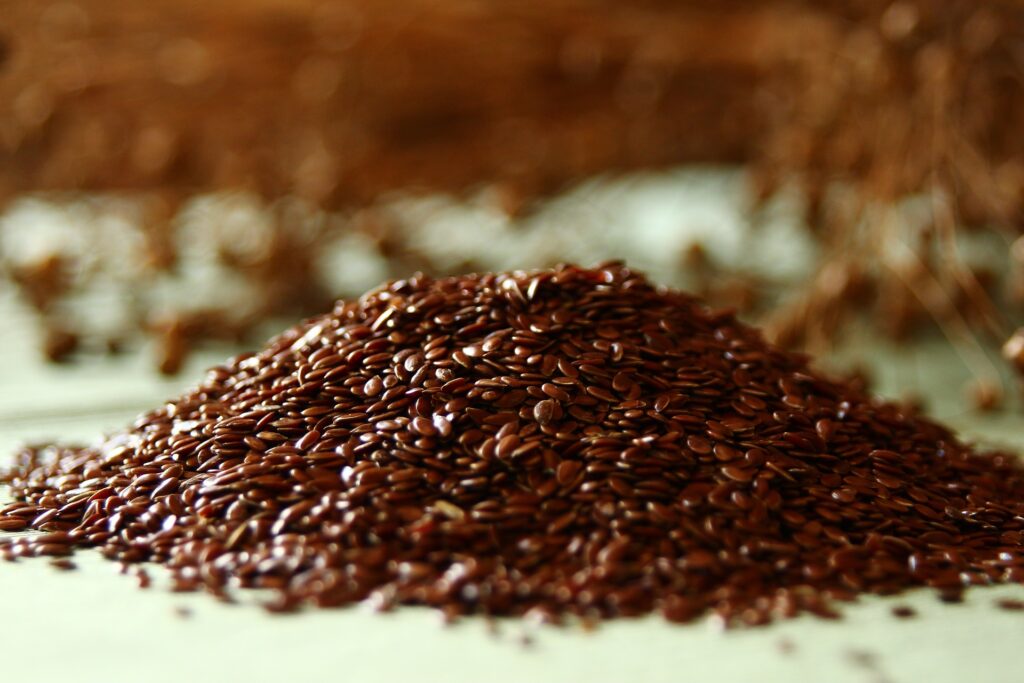
Benefits of Flaxseeds! Flaxseeds are high in both soluble and insoluble fiber and are a plant source of omega-3 fat (alpha-linolenic acid, or ALA). Whole seeds often pass through the gut undigested, so ground flaxseed is easier for your body to use.
Flaxseeds can be part of a heart-healthy, high-fiber diet. Research on specific health benefits is still limited, according to the NIH's National Center for Complementary and Integrative Health.
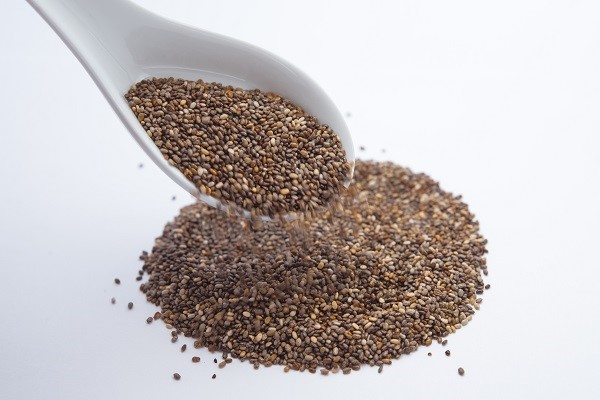
Many people also use flaxseeds for hair and skin care. Most of these uses rest on tradition and early research rather than strong clinical trials. Here is what flaxseeds may do for your hair and skincare routine.
Enhance hair health
- Flaxseeds contain vitamin E and other antioxidants, which help protect cells from free radical damage. Direct evidence that eating flaxseed improves hair health is lacking.
- Flaxseeds are a good source of thiamine (vitamin B1). B vitamins support overall health, but they only help hair if you are deficient.
- Flaxseed gel is a popular homemade styling product that can add hold and moisture. There is no good evidence that flaxseed hair masks make hair grow faster.
Delay signs of ageing
- Omega-3 fats are part of healthy skin, but there is little evidence that flaxseeds or other flaxseed products boost collagen or tighten skin.
- Sun protection and not smoking do far more to prevent fine lines and wrinkles than any single food.
Reduce acne and blemishes
- Flaxseeds have anti-inflammatory compounds, but there are no good clinical studies showing they reduce acne.
- Some people with acne may benefit from a diet with more omega-3 fats and fewer high-sugar foods, but evidence is mixed.
- Flaxseeds contain lignans, plant compounds that act weakly like hormones. Whether they affect acne is unknown.
Make skin radiant and glowing
- Essential fatty acids help maintain the skin's moisture barrier, which keeps skin from drying out.
- Flaxseed oil contains some antioxidants, but it does not protect skin from sun damage. Use sunscreen for that.
Some face masks and scrubs include flaxseed. Ground seeds can act as a mild exfoliant, and flaxseed gel can feel soothing, but scrubbing too hard can irritate skin.
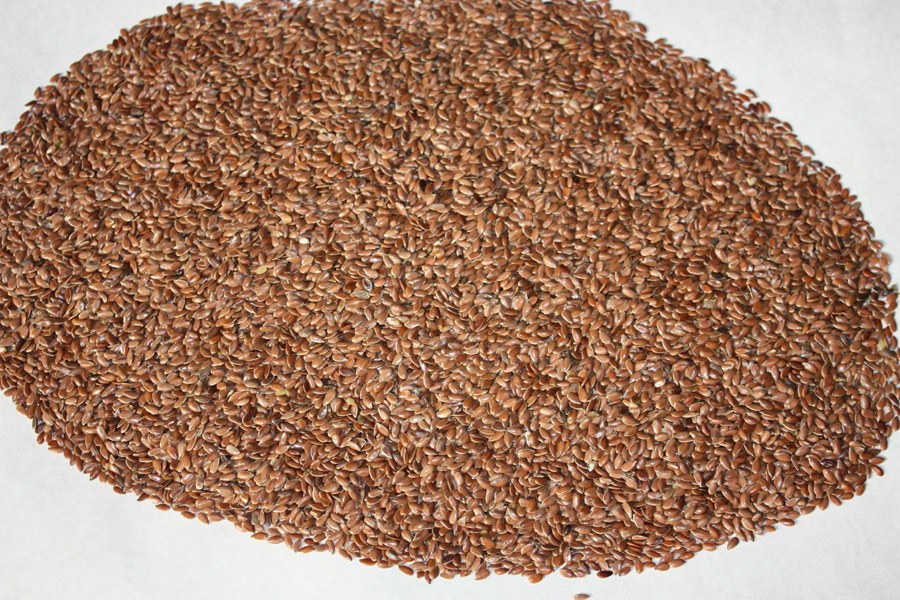
Photo by Guytn, CC BY-SA 4.0, via Wikimedia Commons
Soothe skin irritation
- Flaxseed has traditionally been used in poultices for minor skin irritation, but clinical evidence is limited.
- Test any homemade flaxseed paste on a small patch of skin first. Undiluted essential oils can cause irritation and allergic reactions.
- See a clinician for rashes that are spreading, painful, blistering or not improving.
HP Thoughts: If sunscreens are your thing, then read our top 7 choices for sunscreen products: Affordable Sunscreen Sticks.
Safety tips
- Do not eat raw or unripe flaxseeds, which may contain potentially toxic compounds.
- Large amounts can cause bloating, fullness and diarrhea, so start small and drink plenty of water.
- Flaxseed may interact with blood thinners. Check with your clinician if you take medicine, or if you are pregnant or breastfeeding.
Conclusion
Flaxseeds are a nutritious source of fiber and omega-3 fat, and they can be a good addition to a balanced diet. Claims that they transform skin or regrow hair are not backed by strong evidence.
If you enjoy flaxseeds in your diet or skincare routine, use them sensibly. For hair loss or persistent skin problems, see a dermatologist. You can also read our guide to healthy hair.
Sources
- Flaxseed and Flaxseed Oil, NIH National Center for Complementary and Integrative Health
- Soluble vs. insoluble fiber, MedlinePlus