
10 Best Health Benefits Of Avocado
Overview
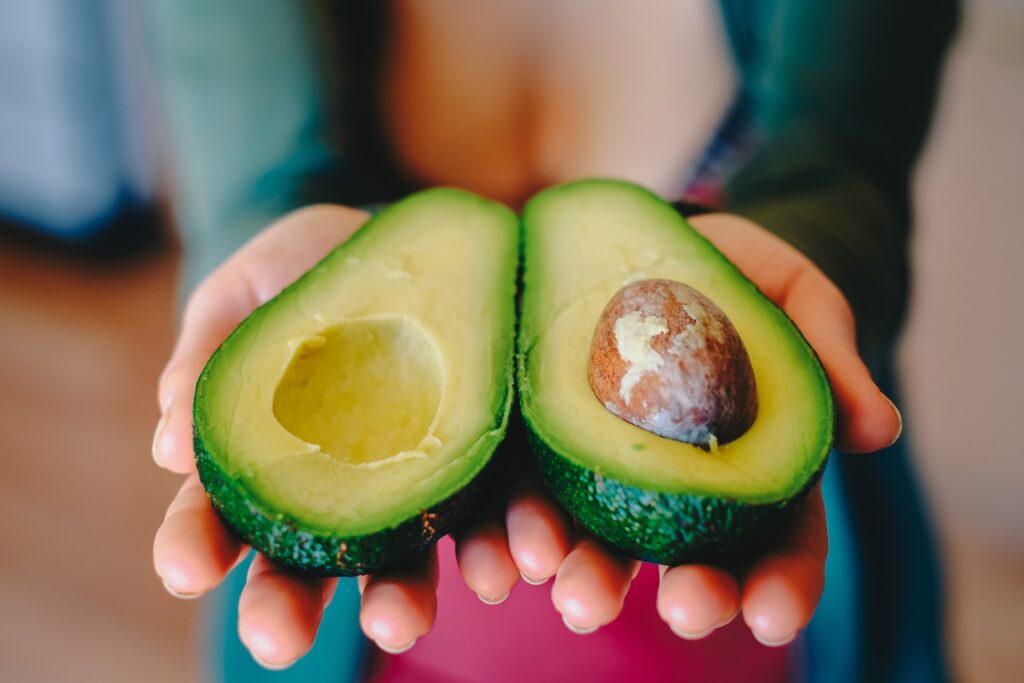
Looking for the benefits of avocado? First, here is what an avocado actually is. The avocado tree is native to south-central Mexico and belongs to the laurel family, Lauraceae. Botanically, the fruit is a single large berry containing a single seed. It grows in warm climates. Avocado's texture is creamy and rich, and it is one of the few fruits high in monounsaturated fat. Yes, fats can be good, and they are part of a balanced diet. Monounsaturated and polyunsaturated fats, found in avocados, are often called the "good fats."
Scientific name: Persea americana
Genus: Persea
Rank: Species
Popular varieties: Hass, Maluma

They vary in shape, from pear-shaped to round. The avocado is also known as the alligator pear because of its pear shape and bumpy green skin. Fruits vary in size and weight, and the skin can be green or nearly black when ripe. Avocados are popular in dips, salads and even desserts, and they bring fiber, vitamins and minerals along with their taste.
Best Benefits Of Avocado
Avocados can be part of a healthy diet for your heart, eyes and overall health. The top 10 health benefits of avocado are:
1. Highly filled with nutrients:
Avocado is not only tasty but also rich in fiber, potassium, folate and healthy fats.
Amount per 100 grams (raw, about half an avocado), per USDA data
Calories: 160
Fats: 15 g
Cholesterol: 0 mg
Sodium: 7 mg
Potassium: 485 mg
Total carbohydrates: 9 g
Fiber: 7 g
Proteins: 2 g
2. Keeps the heart healthy Benefits of Avocado
Avocados contain plant sterols such as beta-sitosterol. Plant sterols are similar in structure to cholesterol and may reduce how much cholesterol your body absorbs.
Some studies show lower LDL cholesterol when avocados replace other fats. In a large study that followed people for 30 years, eating two or more servings a week was linked to a 16% lower risk of cardiovascular disease. That study shows a link, not proof of cause and effect.
3. Better than a banana
Your body needs potassium to work normally. For example, the mineral helps to keep your heartbeat steady. Most people think of bananas when they think of this nutrient. But half a medium avocado has about 487 mg of potassium, more than a medium banana (about 422 mg).
Diets rich in potassium and lower in sodium help keep blood pressure in a healthy range, which lowers the risk of heart attack, stroke and kidney disease. If you have kidney disease or take medicines that raise potassium, ask your clinician how much potassium is right for you.
4. Better for vision
Avocados contain the carotenoids lutein and zeaxanthin, which collect in the retina and help filter blue light. Their healthy fats may also help your body absorb carotenoids from other foods. People who eat more lutein and zeaxanthin tend to have a lower risk of age-related macular degeneration, a leading cause of vision loss in older adults.
5. Helps to weight loss 
A 100-gram serving of avocado has about 7 grams of fiber, roughly a quarter of the 28 grams adults need each day. Fiber helps you feel full, so you're less likely to overeat. Avocados are high in fat, but it is mostly monounsaturated fat. Instead of a chicken salad with mayo, try chickpeas with mashed avocado.
Avocados are high in fiber and low in sugar, which can help you feel satisfied. They are also calorie-dense, so portion size still matters if you are trying to lose weight.
You can also have a look at 10 Easiest and best weight loss drinks
Top 5 Healthy Snacks for weight loss rapidly in 2020
6. Healthy pregnancy
Folate is extremely important for a healthy pregnancy. A 100-gram serving of avocado provides about 80 micrograms of folate. Getting enough folic acid before and during early pregnancy helps prevent major birth defects of the baby's brain (anencephaly) and spine (spina bifida).
Food alone is usually not enough. The CDC advises anyone who could become pregnant to get 400 micrograms of folic acid daily, so ask your clinician about a prenatal vitamin or folic acid supplement.
7. Relieve symptoms of arthritis
Joint pain is a common issue, and many types of arthritis are long-term conditions. Avocado and soybean oil extracts, called avocado-soybean unsaponifiables, have been studied for osteoarthritis, with some trials showing modest pain relief. These extracts are supplements, not the same as eating avocado, so talk with your clinician before trying them.
8. Prevent cancer
Avocados contain antioxidants and fiber, and diets rich in fruits and vegetables are linked to lower risk of some cancers. However, there is no good evidence that avocados themselves prevent colon, stomach, pancreatic, cervical or any other cancer. Lab studies on avocado extracts have not been confirmed in people.
9. Reduce depression Benefits of Avocado
Folate helps the body make brain chemicals such as serotonin and dopamine, and low folate levels have been linked to depression in some studies. Eating avocado alone has not been shown to treat or prevent depression. If you have symptoms of depression, talk with a clinician or mental health professional.
10. Normal digestion
Fiber supports regular bowel movements, and the fiber in avocados also feeds healthy gut bacteria. Your liver and kidneys handle detoxification on their own, so no food needs to "detox" your body.
Some other benefits of avocado are:
- Avocado oil may be used for cooking, or for moisturizing the skin or hair. We can also use them in moisturizing products such as face masks etc.
- Avocados contain B vitamins such as thiamine (B1), riboflavin (B2) and niacin (B3), which help your body turn food into energy.

HP Thoughts: Did you know that there is a "super berry"? Read our article to learn more: Schizandra Berry.
Conclusion
Avocado is delicious and packed with nutrients. Research links avocados to better cholesterol levels and heart health, especially when they replace less healthy fats. Add avocado to a balanced diet and enjoy it in sensible portions.
Sources
- Avocados, Harvard T.H. Chan School of Public Health, The Nutrition Source
- About Folic Acid, CDC