
Schizandra Berry: 5 Claimed Benefits and What the Evidence Shows
Contents
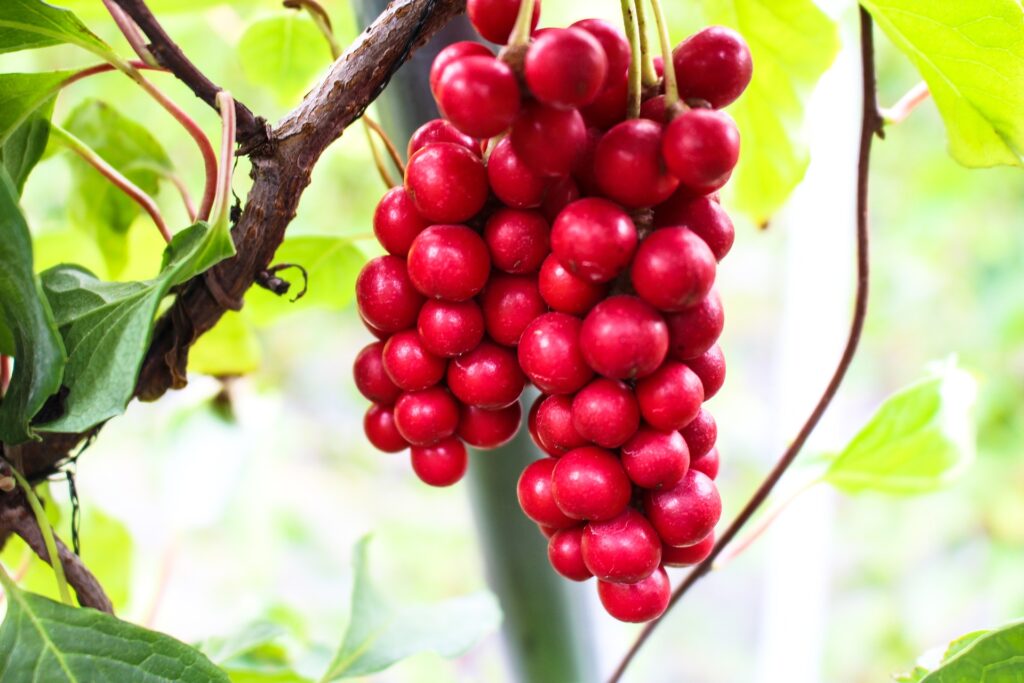
Schizandra berry (also spelled schisandra) is a herb widely used in traditional Chinese medicine. It is traditionally valued as a tonic for long life and good health, and it is often described as an "adaptogen."
Supplement makers promote it as a beauty tonic for the skin and a brain tonic that calms the mind and eases stress. The evidence behind these claims is much weaker than the marketing suggests.
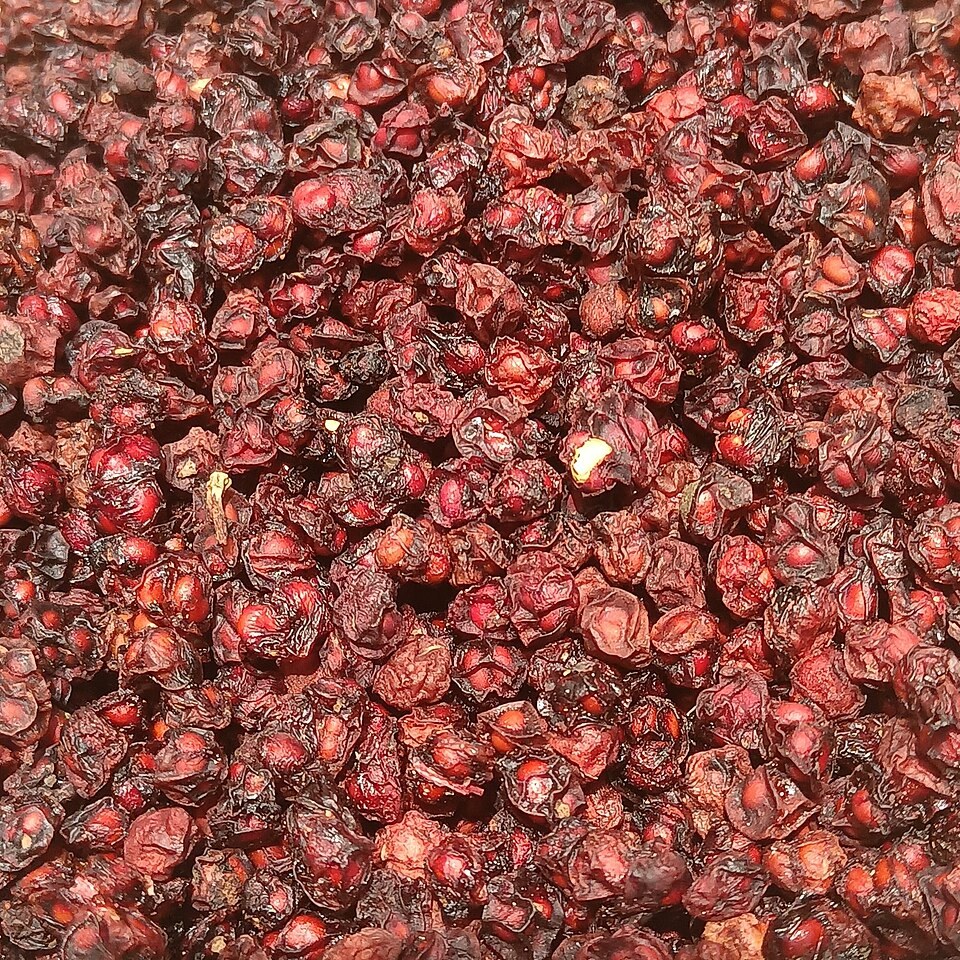
Photo by Fumikas Sagisavas, CC0, via Wikimedia Commons
Potential Benefits of the Schizandra Berry
Here are the most common claims about the berry and what research actually shows. According to Memorial Sloan Kettering Cancer Center, only a few small human studies exist, and most data come from animal and lab studies.
-
Powerful brain tonic
Schizandra berry is often promoted for memory, focus, and alertness. One small human study of a product that combined schisandra with other ingredients suggested better performance on mental tasks, but that does not show schisandra alone works.
Moreover, animal studies suggest wild Schizandra Berry extract may protect brain cells in models of Alzheimer’s disease. There is no evidence that it prevents or slows Alzheimer's disease in people.
-
Alleviates stress and anxiety
Schisandra is traditionally used as an adaptogen, a herb believed to help the body resist stress. There is little human evidence that it reduces stress or anxiety.
Claims that it balances the thyroid, lowers cortisol, or prevents "adrenal fatigue" are not supported by good research. The Endocrine Society says no scientific proof exists that adrenal fatigue is a true medical condition.
If you have ongoing anxiety or low mood, talk to a doctor or mental health professional rather than relying on a supplement.
-
Supports liver function
Animal studies show liver-protective effects, likely linked to antioxidant and anti-inflammatory compounds. In people, only small, uncontrolled studies have looked at liver function, and the results are inconclusive.
Schisandra is not a proven treatment for hepatitis or other liver diseases. It can also lower liver enzyme (ALT and AST) test results, which may hide liver problems on blood tests. If you have liver disease, talk to your doctor first.
-
Potent libido booster
Schizandra berry is traditionally promoted as an aphrodisiac. There is no good scientific evidence that it boosts libido or sexual performance in people.
-
Promotes skin health
Schizandra berries have been used for centuries in traditional beauty tonics, and they contain antioxidants. However, there is no reliable human evidence that eating them or taking supplements improves skin moisture, slows aging, or gives you a youthful glow to your skin.
Safety and drug interactions
No serious side effects have been reported, but schisandra is not well studied in humans. It can change how the body breaks down some medicines, and it raised blood levels of the transplant drug tacrolimus in studies.
Tell your doctor or pharmacist about any supplements you take, especially if you take prescription medicines, are pregnant or breastfeeding, or have liver disease.
HP Thoughts: How about dealing this time with some of the best breakfasts: Healthy Breakfast Ideas.
Conclusion
Schizandra berry is a traditional herb with a long history of use, and early lab and animal studies are interesting. But there is not enough human evidence to say it improves brain function, stress, liver health, libido, or skin.
If you want to try it, treat it as a food or supplement with unproven benefits, not a treatment. Check with a healthcare provider first, because it can interact with some medicines.
Sources
- Schisandra, Memorial Sloan Kettering Cancer Center
- Adrenal Fatigue, Endocrine Society