
Stretching Can Improve Your Heart Health

Contents
How Stretching Can Improve Heart Health
A small study found that 12 weeks of regular leg stretching improved blood flow and made arteries less stiff in healthy young adults. Stiff arteries are linked to higher blood pressure and heart disease, so this is a promising finding.
Stretching does not unblock clogged arteries or dissolve clots, and it has not been shown to prevent heart attacks or strokes on its own. It works best as one part of a physically active lifestyle.
What Does Research Say About Stretching?
Researchers from the University of Milan in Italy published the study in The Journal of Physiology in 2020. They found that
people who did passive leg stretches five times a week for 12 weeks had better blood flow, improved blood vessel function and less stiffness in their arteries.
The study was small, with 39 healthy young participants, so more research is needed in older adults and people with heart disease.
What Actually Stretching Is?
Stretching means gently lengthening a muscle to the point of mild tension, without pain or tearing, the way a cat stretches after a nap. People stretch to keep their joints moving freely and their muscles flexible, especially after sitting in one place for a long time. Muscles and the vascular system work closely together, since every muscle depends on blood flow.
Active stretching uses your own muscles to hold the position. Passive stretching, like in the Milan study, uses an outside force, such as a partner, a strap or gravity.
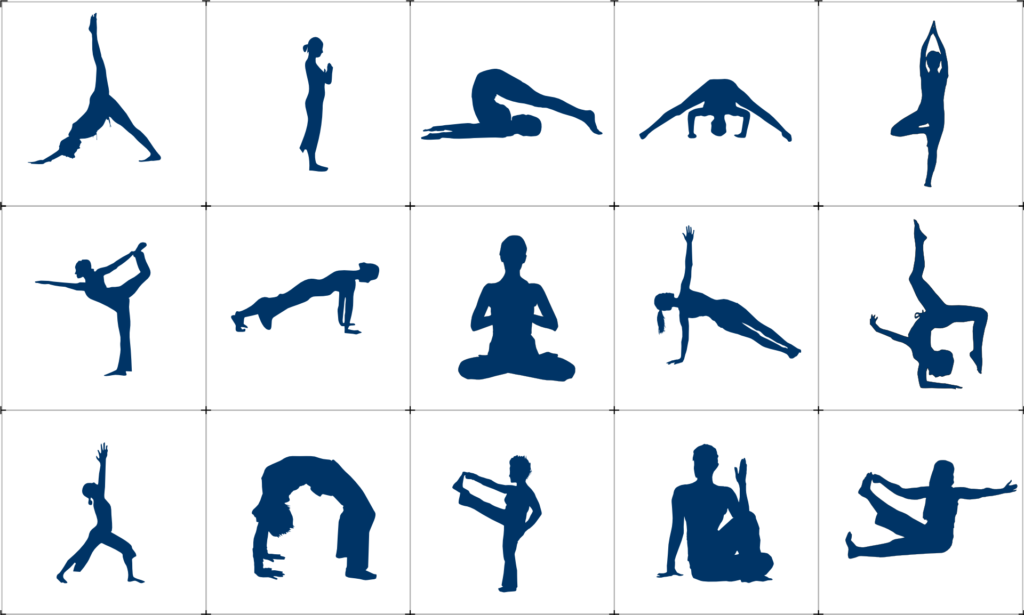
Benefits Of Stretching
There are many benefits of stretching as following:
- Early research suggests regular stretching may help keep arteries flexible.
- It may ease muscle tightness after exercise.
- Flexibility workouts at home, such as stretching, mainly benefit your muscles and joints rather than your heart directly. They help you stay flexible and can ease joint stiffness and muscle tightness.
- Flexibility and balance exercises help maintain stability and prevent falls, which can cause injuries that limit other kinds of exercise.
Conclusion
Being physically active is a major step toward good heart health. The CDC recommends that adults get 150 minutes of moderate aerobic activity each week, plus muscle-strengthening activity on at least 2 days.
Regular activity strengthens the heart, helps with weight control and helps manage cholesterol, blood sugar and blood pressure, all of which lower the risk of a heart attack or stroke. Stretching is a useful addition to that routine, not a replacement for it.
If you have a heart condition, ask your doctor before starting a new exercise program.
Only A Healthy Heart Lives A Healthy Life.