Suffering from UTIs: Home Remedies That Ease Symptoms and Help Prevent Them
Contents
If you are suffering from UTIs, your first thought might be to call your doctor to ask for an antibiotic. That instinct is right: most urinary tract infections need antibiotic treatment to clear and to keep the infection from spreading to the kidneys.
Home measures can ease discomfort while you wait for care, and some habits may lower the chance of getting another infection. They do not replace treatment.
Before you begin working on preventing UTIs, it helps to understand what they are. A UTI is an infection anywhere in the urinary tract: the urethra, bladder, ureters or kidneys. According to the NIDDK, most are caused by bacteria, and fungi are a rare cause.
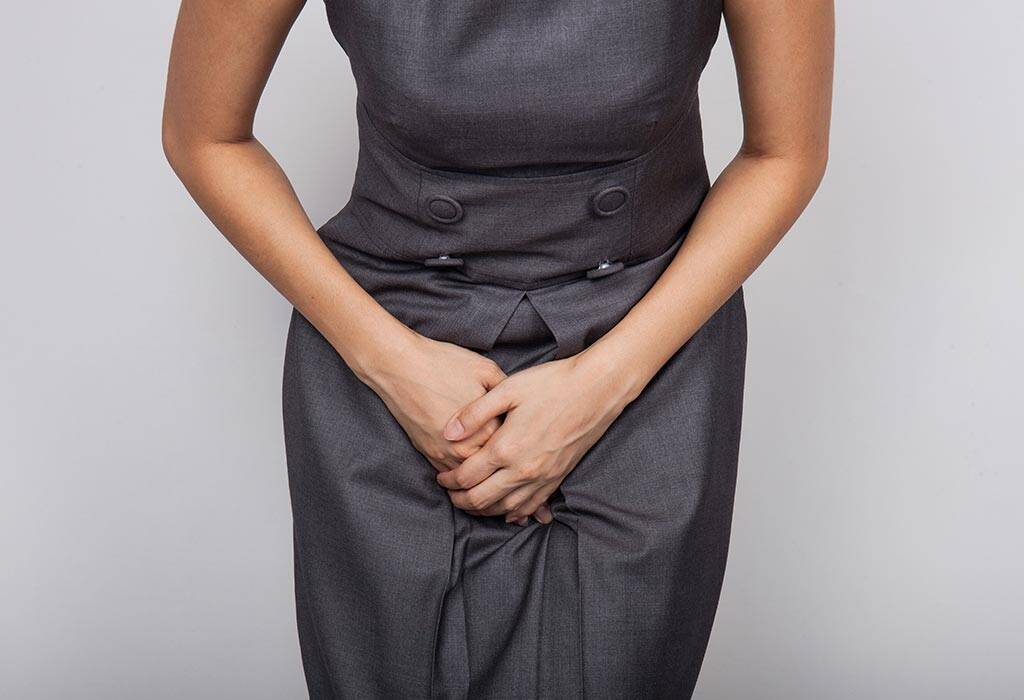
Women get UTIs more often because the urethra is shorter and closer to the anus, but men can get them, too. Symptoms include frequent or urgent urination, burning when you pee, cloudy or strong-smelling urine, and pelvic pain or pressure.
See a doctor if you think you have a UTI. Get care right away for fever, chills, back or side pain, or vomiting, which can signal a kidney infection.
Drink a Lot of Water
Stated by Your Herbal Remedies Guide, drinking water is one of the simplest things you can do. Fluids help you urinate more often, which helps flush bacteria from the bladder.
The NIDDK advises drinking plenty of liquids while you are treated, with water as the best choice. If you have heart or kidney disease or another condition that limits fluids, ask your clinician how much is right for you.
Use a Heating Pad
A UTI can be painful, and gentle heat may help. A heating pad on your back or lower belly can ease the pain of a bladder infection.
Keep the heat on a low setting and wrap the pad in a towel or pillowcase so it does not burn your skin.
Avoid Irritating Foods
Some drinks and foods can irritate the bladder and make urgency worse. Common ones include caffeine, alcohol, carbonated drinks, spicy foods and artificial sweeteners.
Cutting back may make you more comfortable. It will not cure the infection, so keep taking any antibiotic exactly as prescribed.
Make Changes to Your Daily Habits
Some daily habits may lower your chances of developing UTIs. Wipe from front to back after using the toilet so bacteria from the bowel are less likely to reach the urethra.
The NIDDK also suggests using the bathroom when you feel the urge and taking time to empty your bladder fully. Cotton underwear and loose-fitting clothes that don't trap moisture may also help.
Add Probiotics and Vitamin C to Your Diet
Probiotics such as Lactobacillus, found in yogurt and fermented foods, have been studied for preventing repeat UTIs. They are not a proven treatment, and the NIDDK says researchers don't think diet can prevent or treat bladder infections.
The idea that vitamin C prevents UTIs by making urine more acidic has little solid evidence behind it. Cranberry products may modestly lower the risk of repeat UTIs in some women, though findings are inconsistent. They do not treat an active infection.
If you get UTIs often, talk with your doctor. Options for recurrent infections include preventive antibiotics and, after menopause, vaginal estrogen cream.
HP Thoughts: We often blame UTIs on improper food intake and poor drinking habits, such as more liquor or soft drinks instead of water. However, there is another habit that may raise the risk, and you can read about it here: What Threatens You If You Always Hold Urinate.