Combined Drug Intoxication: Risks and Common Combinations
Contents
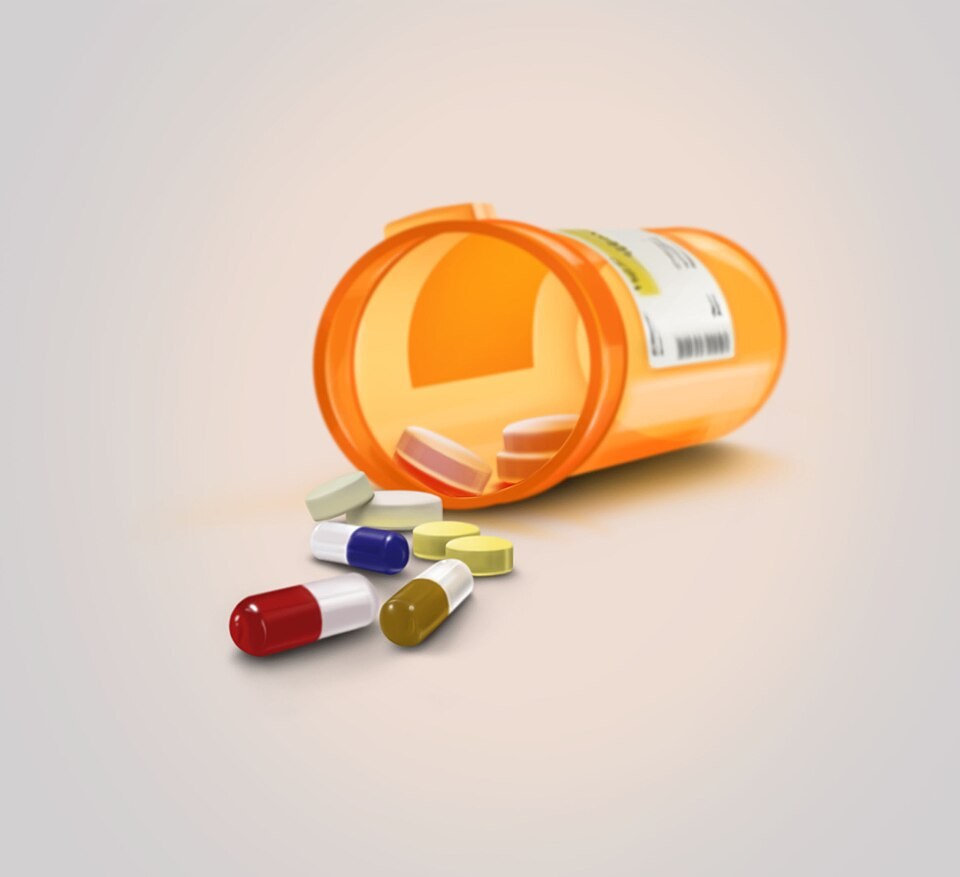
Photo by Mpelletier1, CC BY-SA 3.0, via Wikimedia Commons
Combined drug intoxication (CDI), also called multiple drug intoxication (MDI), is poisoning caused by taking two or more drugs together. It is a common cause of overdose deaths and is often linked to polysubstance use.
Mixing substances can seem easy to control. Someone who drinks alcohol, for example, may feel confident they know the difference between a shot of whiskey and a glass of wine, and feel that this knowledge keeps them safe.
People may take several drugs at once to intensify a high, or add another drug as a high wears off to ease the comedown. They may feel in control, but they are taking dangerous risks. Drugs that slow breathing can add to each other's effects in ways that are hard to predict.
If you think someone has overdosed, call 911 right away. In the US, Poison Control is available at 1-800-222-1222.
What Are The Risks Of Combined Drug Intoxication?
People who take many medicines (polypharmacy) or misuse several substances are at higher risk of CDI. Risks of mixing drugs include “brain damage, heart problems, seizures, stomach bleeding, liver damage or liver failure, heatstroke, coma, suppressed breathing, and respiratory failure”, along with many other complications.
Depression and anxiety can also go along with polydrug use. Older adults are at particular risk, because they often take several medicines for different conditions and may process drugs more slowly.
Older patients may be prescribed more than one drug from the same class, and side effects are sometimes treated with yet more drugs. Regular medication reviews with a doctor or pharmacist help catch risky combinations.
Common combinations of CDI/MDI
There are two common combinations of CDI/MDI
1- Acetaminophen
Acetaminophen (called paracetamol in many countries) is one of the most widely used medicines for pain and fever. Unlike typical nonsteroidal anti-inflammatory drugs (NSAIDs), it has little anti-inflammatory effect, and the exact way it relieves pain is still not fully understood.
At recommended doses, acetaminophen is generally safe. Its main risk is liver damage after an overdose or misuse, because it is broken down in the liver. In the US, acetaminophen overdose is a leading cause of acute liver failure.
Acetaminophen overdose is also called acetaminophen poisoning. For most adults, the maximum is 4,000 mg in 24 hours from all sources combined, according to MedlinePlus. Your doctor may recommend a lower limit.
Accidental overdose can happen when someone takes extra doses because pain or fever doesn't improve, or takes several products that each contain acetaminophen (sometimes listed as APAP).
These include many sleep aids and cold, flu and allergy medicines. Don't take more than one acetaminophen-containing product at a time, and don't use it if you have three or more alcoholic drinks a day.
If you think you or someone else took too much acetaminophen, get medical help right away, even if there are no symptoms.
2- Alcohol
Alcohol intoxication, also called drunkenness, is the effect of recent heavy drinking on behavior and the body. At lower amounts, symptoms include mild sedation and poor coordination. At higher amounts, people may have slurred speech, trouble walking and vomiting.
Very high amounts can cause alcohol overdose (alcohol poisoning), with slow or irregular breathing, seizures, low body temperature, coma or death. An unconscious person can also choke on vomit.
Mixing alcohol with opioid pain relievers, heroin, sleep aids or benzodiazepines is especially dangerous. All of them suppress breathing, and the NIAAA warns that combining them can cause an overdose even with moderate drinking.
Risk factors include social settings where heavy drinking is common and an impulsive personality. The diagnosis is usually based on the history of events.
Prevention from Combined drug intoxication
People who mix drugs can be hard to reach, especially if they believe their habits keep them safe. They may insist they are in control while their lives fall apart around them.
Breaking past that denial isn't easy, but an interventionist can help. Interventionists are professionals trained in conversation techniques that can encourage people who misuse drugs to change.
They can meet with the family, learn more about the situation, and help the family plan a supportive, recovery-focused conversation with their loved one.
In that conversation, denial may ease as the person sees how drug use has changed their life. The talk is loving, but it can also be an eye-opener that prompts someone to get help.
In a treatment program for addiction, professionals often use several approaches, including:
- Psychotherapy
- Behavioral therapies
- Medication management
- Peer-to-peer support groups
These are the same treatments offered to people with any addiction. People who use several substances may need more intensive or longer care.
One well-studied approach is contingency management. People earn vouchers or small prizes for meeting treatment goals, such as attending sessions or having drug-free tests.
Studies show this extra motivation can help people stay in treatment and remain abstinent. If you or someone you love is struggling, the SAMHSA National Helpline (1-800-662-4357) offers free, confidential referrals.
HP Thoughts: Recovering from drug addiction is really difficult! You have to face your demons and fight them all to the death. We have an article to help you cope with this situation: Steps Of Recovery.
Sources
- Understanding the Dangers of Alcohol Overdose, NIAAA
- Acetaminophen, MedlinePlus
- SAMHSA National Helpline, SAMHSA