6 Strategies That Helped the Health Sector Control the Pandemic
Contents
The COVID-19 pandemic was a shock for everyone around the globe. It changed how we live, disrupted businesses and put enormous strain on health systems.
Health systems worldwide had to postpone routine care and find ways to fight a new and sometimes fatal virus. After a lot of research and effort, several strategies proved useful and were put into action to slow the spread of COVID-19.
Research on what worked best is still ongoing, but the main lessons are worth reviewing. Read below to find out about the strategies that helped the health sector control the pandemic.
Zero to minimal human interaction
One of the first policies was social distancing. Because the new coronavirus spread easily from person to person, health experts advised limiting close contact as much as possible.
Gatherings were limited, and people were asked to keep about 6 feet apart in public. Many restaurants, museums, schools and other public spaces closed temporarily. Many countries imposed lockdowns, and some used curfews to limit gatherings.
Mandatory masks and PPE
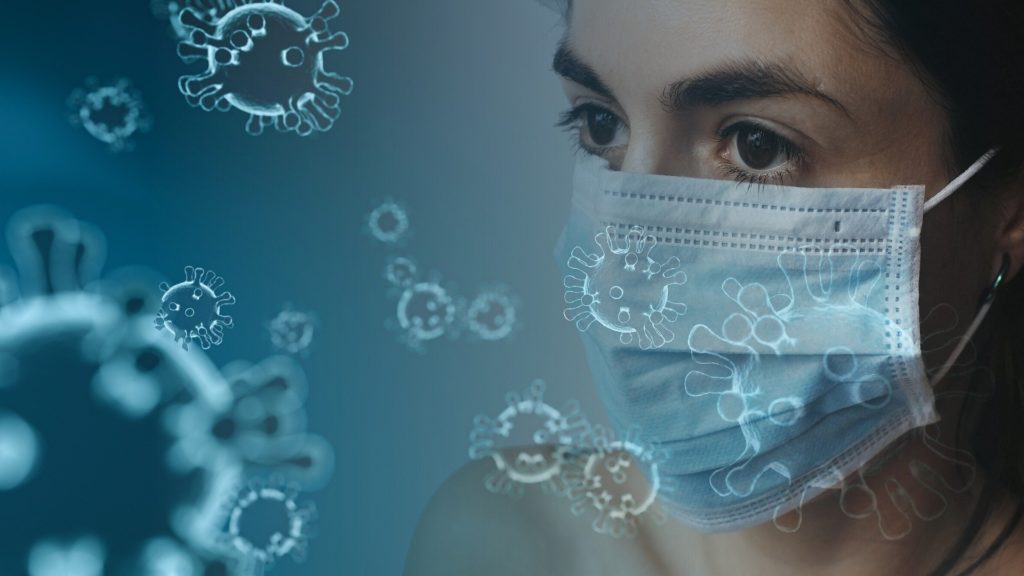
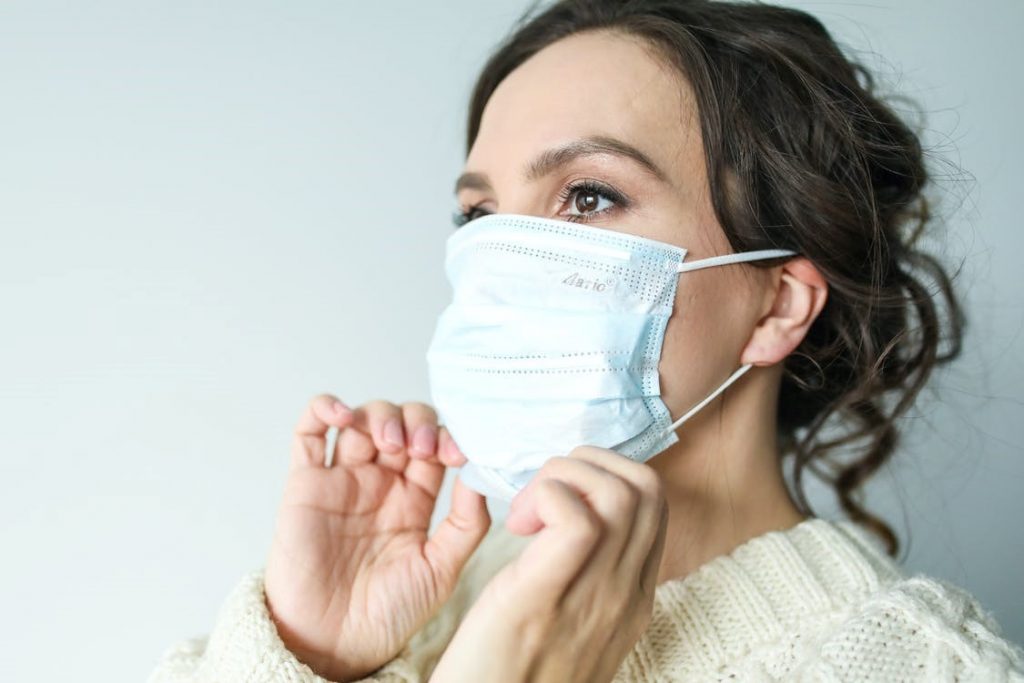
Many governments also required face masks in public places. Health care workers, who were in close and constant contact with infected patients, used fuller personal protective equipment (PPE), such as gowns, gloves, face shields and N95 respirators.
With time, more and more online retailers like Medicallinksllc.com started offering PPE because of the growth in demand. Many companies also introduced different mask designs to attract more customers.
PPE and N95 respirators were essential for worker safety in isolation centers, hospitals and clinics. Several governments also handed out free masks to encourage people to follow the rules.
Travel bans and mandatory quarantine
Many countries restricted entry and exit. Some closed borders temporarily, while others allowed visitors but required quarantine, often for 14 days.
It is hard to separate the effect of travel bans from other measures. A Cochrane review found that travel controls may help limit cross-border spread, but the evidence was of low or very low certainty and came mostly from modeling studies. Quarantine combined with testing appeared more effective than symptom screening alone.
Use of technology to fight Covid-19
Health systems around the globe used technology to respond to the pandemic. Many doctors moved appointments and consultations online, which reduced the number of people coming into hospitals and clinics.
Telephone and video consultations became far more common. Video platforms such as Zoom, Google Meet and Skype were widely used by health care workers and patients.
Many countries also set up dedicated COVID-19 hotlines for questions and to report cases.
Media related campaigns to spread awareness
Public health agencies ran large awareness campaigns on the internet, television and radio. Medical experts used these platforms to explain the situation and share protective measures.
Billboards, social media ads and repeated public service messages reminded people about handwashing, masks and distancing. These campaigns aimed to help more people protect themselves and follow public health guidance.
Speeding research to develop vaccines
The most effective tool against COVID-19 was vaccination. Developing a vaccine usually takes many years of research and testing to make sure it is safe.
Thanks to earlier research on related coronaviruses and new vaccine technologies, the first COVID-19 vaccines were authorized in December 2020, less than a year after the virus was identified. That was much faster than for any previous vaccine.
Several vaccines were developed in different countries, with different efficacy rates. Health authorities found these vaccines to be safe and effective. The CDC says staying up to date on COVID-19 vaccines greatly reduces the risk of severe illness, hospitalization and death.
HP Thoughts: Social media has proven itself as a reliable channel for information dissemination. Learn how this avenue helps healthcare organizations update people from all over the world: Social Media for Public Health Awareness.
Conclusion
The COVID-19 pandemic was one of the most serious global health crises in modern history. Millions of people died, and many more were hospitalized.
Remote work, public health measures, social distancing and vaccination were key strategies that helped bring the pandemic under control. In May 2023, the WHO declared that COVID-19 was no longer a public health emergency of international concern, though it remains an ongoing health issue.
Health systems are now better prepared for future outbreaks. But the health sector can't do it alone; government action and public support are equally important.