Why Fighting The Coronavirus Depends On You?

Contents
- Basic Prevention measures
- Get vaccinated
- Wash your hands frequently
- Maintain social distancing
- Avoid touching eyes, nose and mouth
- Practice respiratory hygiene
- Improve indoor air
- If you have a fever, cough and difficulty breathing, seek early medical help
- Stay informed and follow the advice given by your healthcare provider
- Follow the guidelines outlined above.
- Sources
This post was first written in March 2020, at the start of the pandemic. We have updated it with current prevention advice; check your local health authority for the latest guidance.
In March 2020, the World Health Organization reported that the number of CoronaVirus cases outside of China had increased 13-fold in two weeks, and it declared COVID-19 a pandemic. The disease had already hit China, South Korea, Iran and Italy hard, and it was spreading quickly to other countries.
COVID-19 could not simply be stopped at that point. But each of us could help slow it down, and that is still true today.
Someone with COVID-19 often has fever, fatigue and cough. Aches, pains and other symptoms are also possible but less common. Some people who get the virus never show any symptoms.
Early in the pandemic, most people had mild illness, while a smaller share became seriously ill and needed hospital care for pneumonia. Older people and people with chronic health conditions faced the highest risk.
The virus spreads easily from person to person, mainly through droplets and tiny particles in the air when an infected person coughs, sneezes, talks or breathes. Touching a contaminated surface and then your eyes, nose or mouth may also spread it.
Symptoms usually start a few days after infection, and people can spread the virus before they feel sick. That is why it spread around the world so quickly.
In March 2020, the WHO declared COVID-19 a pandemic. What it said next mattered: the course of the outbreak depended on actions each of us took as individuals. When too many people get sick at once, health systems become overwhelmed.
Basic Prevention measures
Following are the basic preventions for the corona Virus
Get vaccinated
COVID-19 vaccines are now widely available. The CDC says staying up to date on COVID-19 vaccines substantially lowers the risk of severe illness, hospitalization and death.
Wash your hands frequently
Clean your hands often with an alcohol-based hand rub or with soap and water.
Maintain social distancing
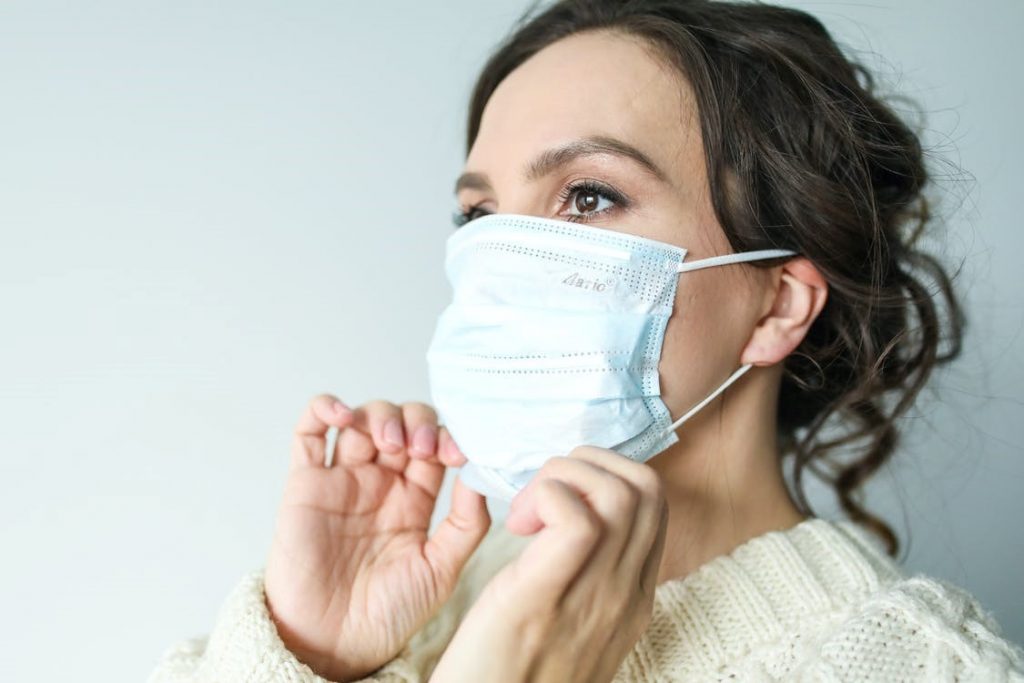
When the virus is spreading in your area, keep at least 1 meter (about 3 feet) from others, and more distance is better. Wear a well-fitted mask when you can't keep your distance or are in a poorly ventilated place.
Avoid touching eyes, nose and mouth
Hands touch many surfaces and can pick up the virus. Contaminated hands can carry it to your eyes, nose or mouth, where it can enter your body and make you sick.
Practice respiratory hygiene
Make sure that you and the people near you follow good hygiene. This means covering your mouth and nose with your bent elbow or a tissue when you cough or sneeze, then throwing the used tissue away immediately.
Improve indoor air
Open windows when you can, and choose outdoor gatherings over indoor ones. Fresh air lowers the amount of virus in the air.
If you have a fever, cough and difficulty breathing, seek early medical help
Stay home if you feel unwell. If you have a fever, cough and difficulty breathing, call your doctor early. If you are at higher risk of severe illness, ask about testing and treatment right away, because treatment works best when started within a few days of symptoms.
Stay informed and follow the advice given by your healthcare provider
Stay informed about the latest developments regarding COVID-19. Follow the advice of your health care provider, your public or local health authority, or your employer on how to protect yourself and others from CoronaVirus.
Follow the guidelines outlined above.
- Stay at home if you start to feel unwell, even with mild symptoms such as a headache and a slight runny nose, until you recover. Keeping away from others protects them and keeps clinics free for people who need them most.
- If you have a fever, cough, and difficulty breathing, seek medical advice promptly, as this may be due to a respiratory infection or another serious condition. Call ahead so your provider can direct you to the right place. This also helps prevent the spread of Coronavirus and other viruses.
HP Thoughts: During the peak of COVID-19, safety measures were set and much of the world followed them, guided by the WHO and national health agencies. Regarding safety measures, the question here is: do they get implemented wholly, partially, or minimally depending on the situation? Read our post to learn more: Safety Measures.
Sources
- WHO Director-General's opening remarks at the media briefing on COVID-19, 11 March 2020, World Health Organization
- Advice for the public: Coronavirus disease (COVID-19), World Health Organization
- How to Protect Yourself and Others, Centers for Disease Control and Prevention