Medical Laboratory Safety Measures: Key Rules to Follow
Contents
Health is one of the prime factors of human life. Without it, nobody can thrive on this planet. Good health promises a bright and joyful life. When we are healthy, we can enjoy our lives to the fullest with our loved ones. We can travel, eat, celebrate, and whatnot if we have good health. On the other hand, without good health we are more vulnerable to diseases that keep us from enjoying life.
The COVID-19 pandemic showed us how delicate human life is. It caused a global health crisis, and many countries went into lockdown. The virus pushed everyone to follow new safety rules and procedures.
The health sector worked hard to develop tests, treatments, and vaccines. Laboratories played a vital role, running millions of tests to let people know whether they were infected.
Role Of Health Sector
As science and technology advance, health professionals keep searching for better treatments and cures. Clinicians care for sick people, and laboratories support them with research and testing.
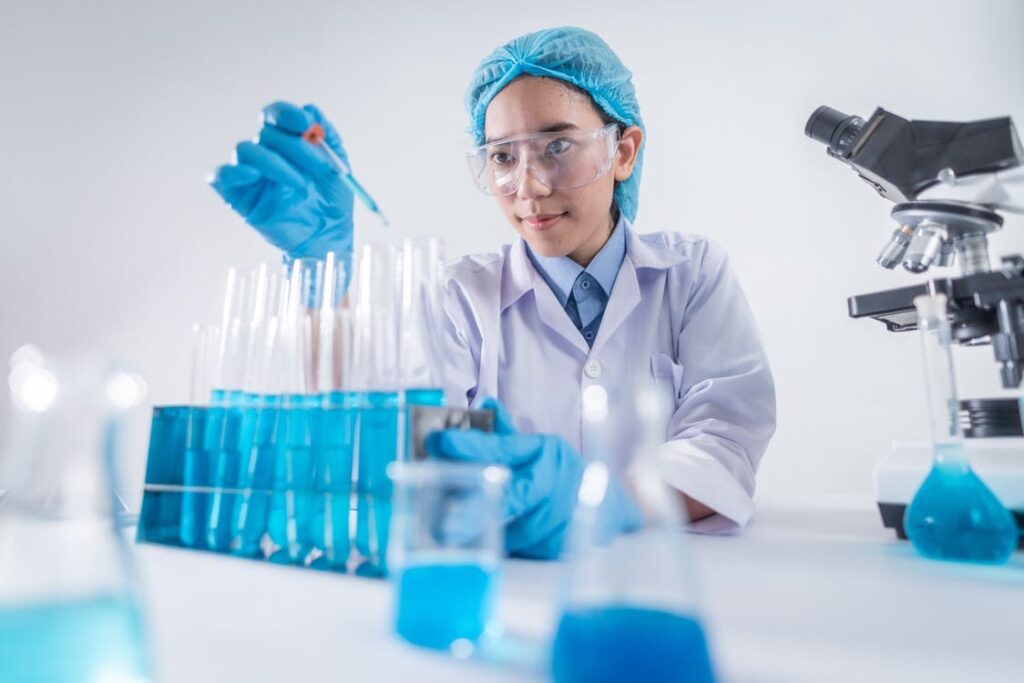
The research and experiments carried out in labs are essential. Without them, medicine could not help people who are suffering. Labs also run tests that show the state of a person's health, so doctors and patients can take the right steps. For instance, visit Primex Labs Official to get the latest updates about their contributions and developments in testings and diagnosis.
Implementation Of Safety Measures
Medical laboratories are sensitive places. The research and tests conducted there directly affect people's lives. A small error can ruin results and waste a lot of hard work.
Labs can also be dangerous for the people working in them, because they contain hazardous chemicals and infectious materials. Proper safety measures help prevent accidents. In the United States, the OSHA Laboratory standard requires labs that use hazardous chemicals to have a written chemical hygiene plan.
General Safety Rules
Here are the general safety rules to take when going inside any medical laboratory.
- Don’t eat, drink, smoke, chew gum, or apply cosmetics or lip balm inside the laboratory.
- Don’t store food or drinks in lab refrigerators, and don’t use lab equipment as food or beverage containers.
- Report any incident or injury to the concerns.
- Always turn off the switch before connecting any gadget.
- Be aware of the electrical connections, and never plug in any equipment with wet hands.
- Don’t wear earbuds or anything that blocks your hearing.
- Don’t wear synthetic clothing that melts or burns easily. Don’t handle or insert contact lenses in the lab, and follow your lab's policy on wearing them under eye protection.
- Don’t use anything without the permission of concerned personnel.
FOR PERSONAL PROTECTION
Personal protection is important. An accident can cause serious injury or disability, so take the following precautions to protect yourself.
- Wear proper personal protective equipment, including gloves, eye protection, closed shoes, a hair covering where needed, a mask, and a lab coat.
- Don’t try to smell any chemicals.
- If a chemical gets on your skin, wash it with plenty of water for 15 minutes and seek help. If it gets in your eyes, use the eyewash station to rinse them for 15 minutes.
- Don’t wear loose clothing.
- Always wear shoes that are completely covering your foot.
- Wash your hands thoroughly after being exposed to chemicals or any experiment.
- Keep your hands away from your face, eyes, and mouth while working.
- Never pipette by mouth; use a mechanical pipetting device.
Using Lab Equipment
The lab equipment is critical. If you have to use them, be careful.
- Always use open flames under the supervision of authorized personnel.
- Make sure the work area is properly ventilated, and use a fume hood when required.
- Make sure there are no cracks in the glassware equipment you are using.
- Never use the equipment that you don’t know how to use.
- If there are any technical glitches in the highly equipped instruments, don’t repair it yourself.
- Always wear protective gear before using toxic chemicals.
- Keep in mind not to mix up chemicals and always read the labels.
- Don’t pour unused chemicals back into the original container.
For Deadly Incidents
Incidents can happen anywhere and anytime. Instead of having panic attacks, keep your nerves calm, and act according to the situation.
- Always know the lab’s emergency exits and the spots of fire alarms.
- Always read the precautions written at the entrance and do follow it.
- Make sure you know the escape routes of the laboratory or the building in case of any incident.
- Keep the list of emergency phone numbers for seeking help.
- Stay with others. Don’t try to do anything of your own.
- Some chemicals can be deadly, never touch them without permission.
For Minor Incidents
- Always know where the lab’s safety equipment is, including the first aid kit, fire extinguishers, eyewash station, and safety shower.
- Don’t try to treat an injury yourself without training; report it and get help.
- Don’t use chemicals to neutralize the effects.
- Never go alone in the lab. If an accident occurs, call for help loudly so that you can catch attention.
HP Thoughts: Do you sometimes get the urge to do some worthwhile exercised during the winter season? If yes, then this article we prepared is for you: Health Benefits of Winter Sports.
CONCLUSION
Safety comes first. Medical labs are sensitive places with hazardous and toxic materials that can cause serious harm.
Labs produce test results that help diagnose people's health problems. One person's mistake or carelessness can undo everyone's work. Therefore, safety management is essential for medical labs.
Sources
- Laboratory Safety Guidance, OSHA
- Laboratories - Overview, OSHA