Forehead Acne: Causes and Gentle Home Care Tips
Contents
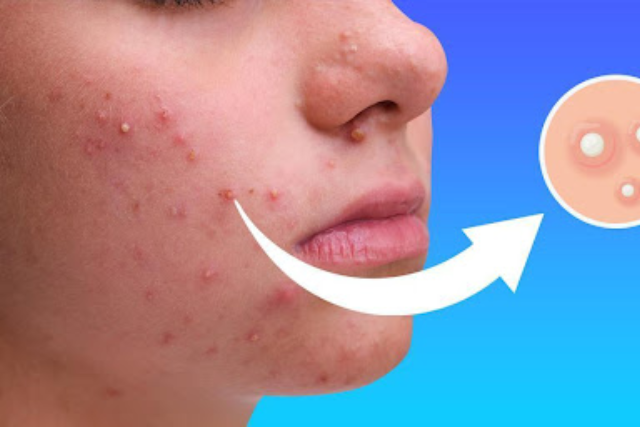
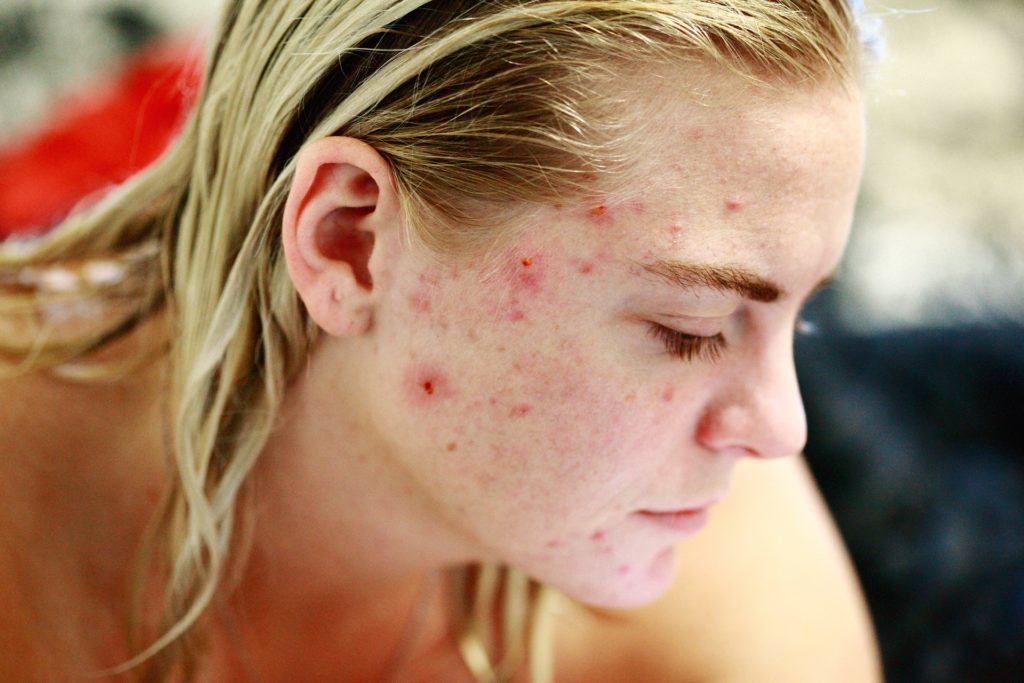
Many people develop forehead acne, though acne can appear on the face, chest and back. It happens when hair follicles in the skin get blocked with oil and dead skin cells, and bacteria then cause inflammation.
Forehead acne isn't dangerous, but it can be frustrating and affect your confidence. According to the NHS, common triggers include hormone changes, some medicines, and greasy products on your skin or hair, which can matter a lot on the forehead near your hairline.

Forehead acne is very common in teens and young adults. Blackheads, whiteheads, oily hair products, hats or headbands, and touching your face can all play a part. It is not an unusual thing to have, and mild acne can often be managed at home with gentle care and over-the-counter products.
How to Get Rid Of Forehead Acne
Over-the-counter products with benzoyl peroxide or salicylic acid are a good first step for mild acne. If these don't help after a few months, or if you have deep, painful spots or scarring, see a doctor or dermatologist; prescription creams and tablets work well.
"Natural" remedies are not automatically safe, and most have little evidence behind them. If you want to try one, patch-test it first and stop if your skin stings or gets red. Some options people use include:
1- Tea tree oil
Tea tree oil has antibacterial properties, and the National Center for Complementary and Integrative Health says a small amount of research suggests it might help acne. Evidence is still limited.
Never use it undiluted. Choose a ready-made tea tree gel or mix a few drops into a carrier oil, and apply it once a day at first. Tea tree oil can irritate the skin and should never be swallowed.
2- Lemon Juice
Lemon is often called a natural bleach, but we don't recommend putting lemon juice on your face. It is acidic and can sting and irritate skin, especially broken skin.
Some citrus juices, such as lime, can also cause a burn-like skin reaction followed by dark marks when the skin is exposed to the sun. Eat your citrus instead; vitamin C from food is good for your skin.
3- Apple Cider Vinegar
Apple cider vinegar is acidic, and there is little evidence that it treats acne. Undiluted vinegar can irritate or even burn the skin.
If you try it, dilute it well with water, test it on a small patch first, and rinse it off after a few minutes. Don't expect quick results, and stop if it stings.
4- Potatoes Ice Cube
A recently popular home remedy for Acne! Take a potato, a tomato and rose water. Grate the tomato and potato, mix in three spoons of rose water, and blend well. Strain the mixture and pour it into an ice cube tray.
Let it freeze. Wrap one cube in a thin cloth and gently rub it over the forehead for a minute or two. The cold may calm redness and swelling for a short time, but there is no proof it clears acne. Potatoes are rich in starch, and tomatoes contain carotenoids and vitamins.
5- Aloe vera
Aloe vera gel is traditionally used on skin because it soothes and may calm inflammation. It can reduce redness and irritation for some people. It won't erase acne scars or lighten your skin.
Apply a thin layer once or twice a day. If you mix it with tea tree oil, use only a drop or two of the oil.
6- Make-up Remover
Make-up, sunscreen and hair products left on the skin can clog pores and lead to blackheads and pimples on the forehead. Always remove make-up before bed.
Use a gentle cleanser twice a day, and choose make-up and hair products labeled "non-comedogenic" or "oil-free." Heavy oils like coconut oil can clog pores in some people, so use them with care. Don't scrub hard, and avoid picking or squeezing spots, which can lead to scars.
7- Honey Mask
Honey has antibacterial properties and is gentle on most skin. A plain honey mask may soothe the skin, though evidence that it treats acne is limited.
Spread a thin layer of honey on clean skin, leave it for 10 to 15 minutes, then rinse. Skip cinnamon, which can irritate or burn the skin. Use it once a day at most.
See a doctor if your acne is severe, leaves scars, shows signs of infection, or is affecting your mood or self-esteem.
Sources
- Acne, NHS
- Tea Tree Oil: Usefulness and Safety, National Center for Complementary and Integrative Health
- Margarita Dermatitis Revisited: Lime-Associated Phytophotodermatitis, Cureus (via PubMed)