Gestational Diabetes Diet: What to Eat to Stay Healthy
Contents
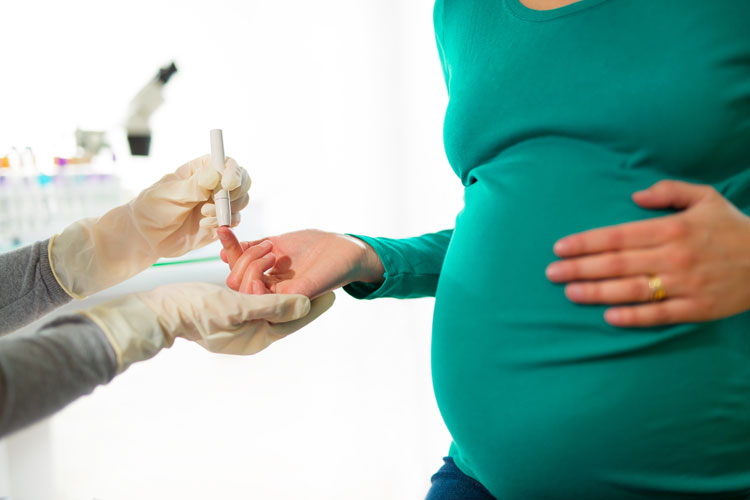
Gestational diabetes mellitus is diabetes that develops in pregnant women, causing high blood sugar. A Gestational Diabetes Diet helps control blood glucose. Uncontrolled gestational diabetes can lead to a very large baby (macrosomia), a cesarean birth, low blood sugar in the newborn and a higher risk of stillbirth.
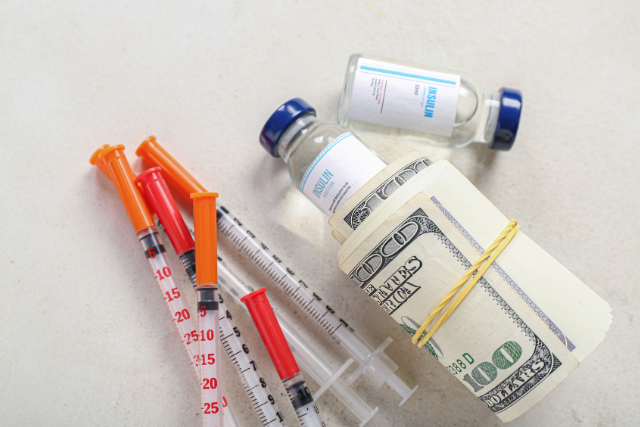
Many women can manage it with a healthy eating plan and physical activity, but some also need insulin. Your prenatal care team, ideally including a registered dietitian, should set your personal plan.
By definition, gestational diabetes occurs only during pregnancy. Hormones made by the placenta make the body less sensitive to insulin. When the body can't make enough extra insulin to make up for this, blood glucose rises.
Gestational diabetes diet contains such diet which is enriched in nutrients and control the blood glucose level during pregnancy. High blood glucose level is harmful to both the mother and baby. To manage the sugar level, it is very necessary to monitor how many, what type, and how much carbohydrates are consumed.
Best Gestational Diabetes Diet
If you have gestational diabetes mellitus, ACOG recommends eating regular meals, often three meals and two to three snacks a day, to avoid blood sugar spikes and dips. These general tips can help:
1- Take one cup of milk at a time
Milk is a good source of calcium, vitamin D and phosphorus. It also contains natural sugar (lactose), so drinking a lot at once can raise blood sugar. Spreading milk through the day, about one cup at a time, is easier on your glucose levels.

2- Intake reasonable starch in a meal
Starchy foods are an important source of energy, so don't cut them out. They break down into glucose, though, so portions matter. Choose high-fiber options such as whole grains, beans and starchy vegetables.
Your dietitian can tell you how many carbohydrates to aim for at each meal and snack, since needs vary from person to person.
3- Don’t take fruit juice
Fruit juice is a concentrated source of sugar with little fiber, so it can raise blood glucose quickly. Whole fruit is a better choice.
4- Snacks and meals
Snacks and meals make the major portion of the gestational diabetes diet. Few healthy choices for snacks and meals are here if a woman has gestational diabetes:
- Egg or egg white
- Fresh or frozen vegetables
- Fresh fruits
- Air-popped popcorn
- Baked fish. chicken breasts that are skinless
- Unsweetened yogurt
5- Healthy Drinks
Staying hydrated is important during pregnancy. Water is the best choice. Other drinks that won't spike blood sugar include:
- Plain or sparkling water, with a slice of lemon or cucumber
- Unsweetened tea
- Coffee without sugar, kept within your provider's caffeine limit
- Milk, in measured portions
Avoid sugary drinks such as orange juice, sweet tea, chocolate milk, apple cider and soda. They raise blood sugar quickly.
6- Recommended Fats & Oil
Being overweight is a risk factor for gestational diabetes, and gaining too much weight too quickly can make blood sugar harder to control. Ask your ob-gyn how much weight gain is right for you. Choose healthy fats in moderate amounts, such as:
- Avocado
- Vegetable oils (canola, soybean or olive oil)
- Non-hydrogenated margarine
7- Recommended Multivitamins
Most pregnant women take a daily prenatal vitamin. Look for one that includes:
- At least 400 mcg of folic acid; take a higher dose only if your doctor prescribes it
- Iron
- Vitamin B12
Ask your prenatal care provider which product and dose are right for you.
8- Watch Your Banana Portions
Bananas are healthy, but nearly all of their calories come from carbohydrates, mostly starch and sugar. A large or very ripe banana can raise blood glucose more than many other fruits.
You don't have to avoid bananas. Choose a small one or half a large one, and pair it with protein such as yogurt or nuts. Check your glucose to see how you respond.
HP Thoughts: If you’re apprehensive about Type 1 diabetes (and presume that you already have one), then we have prepared a post for you as your reference: Type 1 Diabetes Causes.
Sources
- Gestational Diabetes, ACOG
- Gestational Diabetes, NIDDK
- About Folic Acid, CDC
- Healthy Eating Plate, Harvard T.H. Chan School of Public Health