Home Remedies for Acne Scars: What Helps and What Doesn't
Contents
Why do people look for Home Remedies for Acne Scars Removal? Pimples can affect how we feel about our appearance. Even more frustrating are the marks and scars acne can leave behind.
Some marks fade over time. Unluckily, true scars often stay. This dilemma leads many people to try overly hyped products.

Professional treatment can be expensive, so it's natural to look for cheaper options at home first. Here is an honest look at what home care can and can't do.
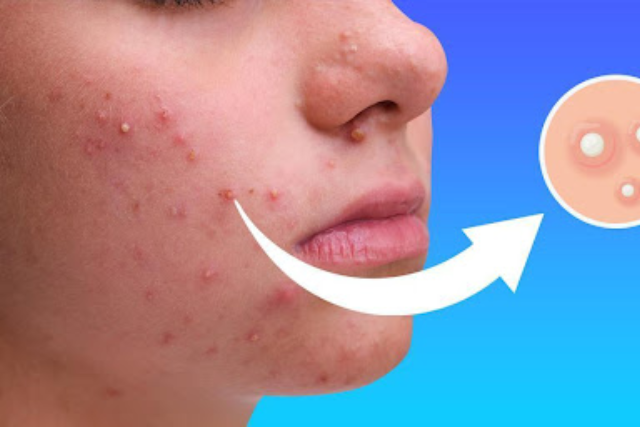
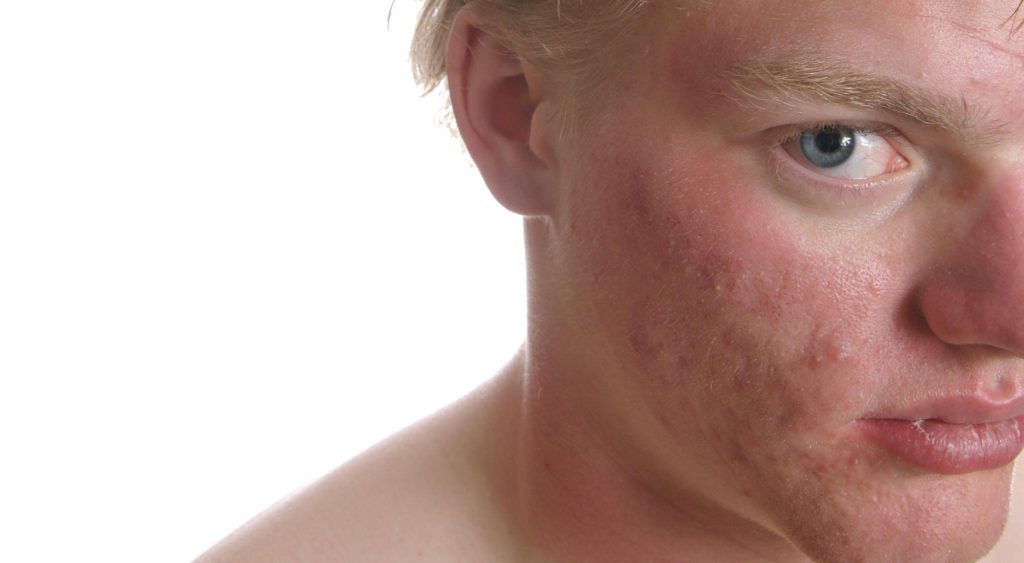
First, know the difference between dark marks and true scars. A flat brown or red patch left after a pimple clears is usually not a scar; it is post-inflammatory hyperpigmentation, which often fades on its own over months. True acne scars are indents or raised areas, and while their discoloration may fade, the scar itself usually stays.
You may also have read about natural home remedies for acne. Natural ingredients can soothe or moisturize skin, but no home remedy has been shown to remove depressed or raised acne scars.
Simple home remedies for the treatment of acne scars
Which home remedies are good for your acne scars? A few common ones are below, with what the evidence actually shows. The steps with the best support are simple: get active acne under control, don't pick or squeeze pimples, and use a broad-spectrum sunscreen every day so dark marks don't darken further.
For mild scarring, the American Academy of Dermatology notes that an over-the-counter retinoid or salicylic acid may make scars less noticeable.
Continue reading to know about these home remedies for acne scars.
Coconut oil- a versatile home remedy for acne scars
Coconut oil is popular for skin and hair care, and many people like its fragrance.
It is made up mostly of saturated fats, not omega fatty acids. It can moisturize dry skin, but there is no good evidence that it fades acne scars.
Coconut oil can also clog pores. If you have acne-prone skin, avoid putting it on your face, because it may trigger new breakouts.
Lemon: a risky "bleach" for acne scars
Lemon is often promoted as a home remedy that can help you in reducing the appearance of acne scar.
Lemon juice contains citric acid, a type of alpha hydroxy acid (AHA). There is no good evidence that applying lemon juice fades acne scars or dark marks.
Lemon juice is very acidic and can sting, dry out and irritate skin. It also makes skin more sensitive to sunlight, and lemon juice on skin in the sun can cause burns and dark patches. Irritation can make dark marks worse.
If you want an acid to help even out skin tone, products made for the face, such as salicylic acid, are a safer choice than raw lemon juice. Always wear sunscreen.
Turmeric – an old home remedy for acne scars
Turmeric has a long history in traditional medicine.
Its main compound, curcumin, has antioxidant and anti-inflammatory effects in lab studies. There is little evidence from human studies that turmeric masks fade acne scars or dark marks.
If you try a turmeric and honey mask, test it on a small patch of skin first. Turmeric can stain skin yellow and can cause irritation or allergic reactions in some people.
When to see a dermatologist
Depressed or raised scars usually need professional treatment. A board-certified dermatologist can offer treatments for acne scars such as chemical peels, laser resurfacing, microneedling, fillers, or minor scar surgery. Raised scars may be treated with injections or laser.
Treating acne early is the best way to prevent new scars.
Conclusion
Many people manage to clear their acne but find old scars hard to fade. Home care can help dark marks fade and protect your skin: control breakouts, avoid picking, and use sunscreen. Popular home****remedies for acne scars like coconut oil, lemon and turmeric are not proven to remove scars, and lemon can irritate skin. For true scars, a dermatologist can recommend treatments that work.
Sources
- Acne scars: Overview, American Academy of Dermatology
- Acne scars: Consultation and treatment, American Academy of Dermatology