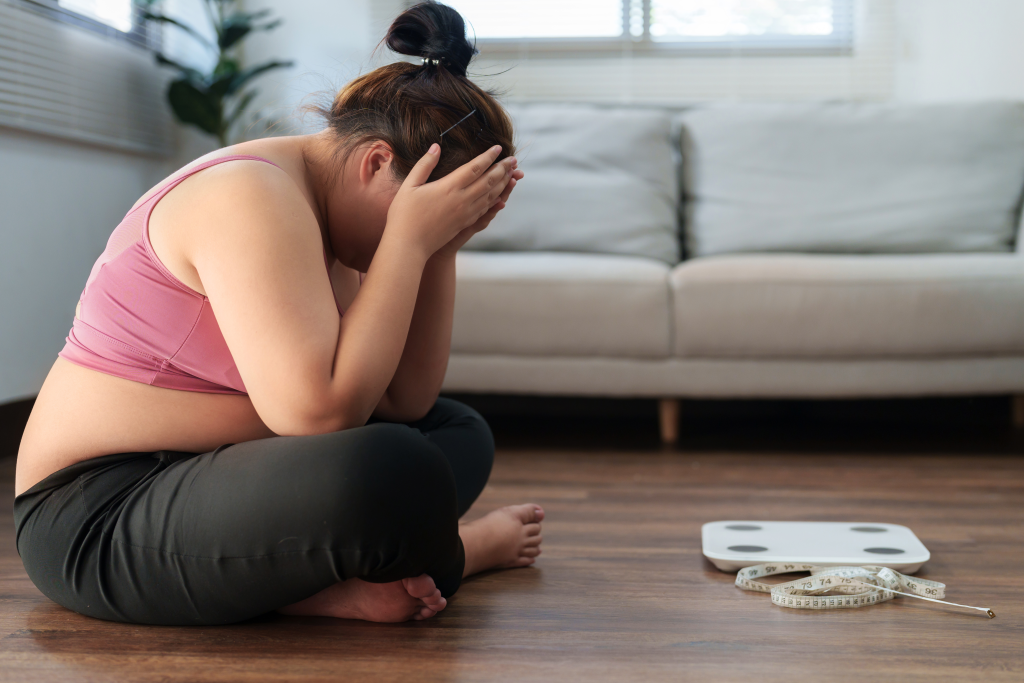
Home remedies for Constipation Relief
Contents
- How Constipation Occurs?
- Causes of Constipation
- Common causes of mild or moderate constipation are:
- Constipation Symptoms
- Home Remedies for Constipation
- 1- Drink Plenty of Water
- 2- Exercise Daily
- 3- Sweet Potatoes
- 4- Lemon Water
- 5- Eat more fibers
- 6- Try a Low-FODMAP Diet (for IBS)
- 7- Reduce Dairy
- 8- Caffeine intake
- 9- Bowel Training
- Here are the Best Home Remedies for Constipation Relief:
- When to See a Doctor
- Sources
Photo by Miansari66, Public domain, via Wikimedia Commons
Constipation means having hard, dry stools that are difficult or painful to pass. Don't worry: besides medication, many home remedies can help. Mild constipation often goes away on its own. Severe or chronic constipation can lead to complications such as hemorrhoids (swollen veins in the anus) or small tears in the anus (anal fissures).
Constipation is usually defined as having fewer than three bowel movements a week, often with hard or lumpy stools, straining, or a feeling that not all stool has passed.
How Constipation Occurs?
Why does it happen? After a meal is digested, nutrients are absorbed into the blood. The leftover waste moves through the large intestine (colon) to the rectum to be passed out. As the waste moves through the colon, water is absorbed from it. If stool moves too slowly, for example because of low fiber or fluid intake, inactivity, certain medicines or a bowel condition, too much water is absorbed.
The stool then becomes hard and dry and difficult to pass. Hence, you are constipated. Straining to pass hard stool can be painful. Over time, hard stools and straining can cause hemorrhoids or anal fissures, which may bleed. See a doctor if you notice blood in your stool.
Causes of Constipation
- Constipation is often linked to lifestyle habits, medications, or medical conditions.
- In many people, the exact cause of chronic constipation is often unknown. This is commonly known as chronic idiopathic constipation.
Common causes of mild or moderate constipation are:
- Less intake of water
- Physical inactivity
- Prolonged sitting hours
- Less walk or exercise daily
- Less intake of fibers or green vegetables in the diet
- More eating meat or cheese products
- Certain medicines, such as opioid pain relievers and iron supplements
- Bowel conditions such as irritable bowel syndrome (IBS)
Constipation Symptoms
Constipation can involve other annoying symptoms, such as:
- Bloating or gas,
- Discomfort when going to the bathroom
- Pain due to stools hardness and dry
- Difficult to pass the stools
- A feeling that the bowel hasn't fully emptied
- Social activities impairment
Home Remedies for Constipation
There are lots of medicines available to treat constipation, and many natural home remedies can also help relieve it.
You can easily try these remedies at home. They are cheap and easy, and several are supported by medical advice. Some, like extra fiber, can cause gas or bloating at first, so make changes gradually. Here are commonly used home remedies for constipation:
1- Drink Plenty of Water
Dehydration or less water intake can make you constipated, so make sure to drink plenty of water. Sparkling (carbonated) water is fine if you enjoy it. But avoid sugary sodas, which are a poor choice for your health.
Drinking enough water is especially important when you eat more fiber, because fiber works best with fluid.
2- Exercise Daily
Exercise effects on bowel movements are mixed according to the studies. Some studies show that daily exercise can significantly reduce symptoms.
Many studies have found that exercise does not efficiently affect the number of times people go to the bathroom, however, it seems to reduce some symptoms of constipation.
3- Sweet Potatoes
Sweet potatoes are easy to find and fit into many dishes. Like other vegetables, they contain fiber, which can help relieve constipation.
Sweet potatoes have mostly insoluble fiber in the form of cellulose. They also contain soluble fiber in the form of pectin. Both are beneficial for constipation. Insoluble fiber adds bulk and weight to stools, which helps them move.
How should you eat them? Sweet potatoes can be roasted, boiled, steamed, or mashed, ideally with the skin on for extra fiber.
4- Lemon Water
Lemon water is a traditional home remedy. Warm water with a squeeze of lemon can help you drink more fluid, but there is no good evidence that lemon itself relieves constipation.
Do not swallow lemon essential oil or any other essential oil. Essential oils are highly concentrated and can be harmful if ingested.
5- Eat more fibers
Adding more fiber, both soluble and insoluble, helps add bulk to the stool and makes it easier to pass. Eat more vegetables, fruits, beans, lentils, seeds and whole grains. The NIDDK advises that adults get 22 to 34 grams of fiber a day, depending on age and sex.
6- Try a Low-FODMAP Diet (for IBS)
FODMAP stands for fermentable oligosaccharides, disaccharides, monosaccharides and polyols, which are types of carbohydrates. It has nothing to do with formaldehyde, which is sometimes wrongly listed in its name. A low-FODMAP diet is mainly used for irritable bowel syndrome (IBS) and may ease bloating and discomfort. Try it with guidance from a doctor or dietitian, since it is restrictive.
7- Reduce Dairy
Some people find that large amounts of dairy, especially cheese, make them constipated. Cutting back may help if you notice this pattern.
8- Caffeine intake
For some people, coffee stimulates the urge to have a bowel movement. Keep caffeine moderate, and drink water too.
9- Bowel Training
Try to have a bowel movement at the same time each day, such as 15 to 45 minutes after breakfast. Go as soon as you feel the urge rather than waiting.
Here are the Best Home Remedies for Constipation Relief:
- DRINK PLENTY OF WATER
- EXERCISE DAILY
- Sweet potatoes
- LEMON WATER (not essential oil)
- Eat more fibers
- Low-FODMAP diet for IBS
- Reduce Dairy
- Caffeine intake
- Bowel training
When to See a Doctor
Talk with a doctor if home remedies don't help, since you may need a prescription medicine. Get medical care promptly for blood in your stool, severe belly pain, unexplained weight loss, or constipation that is new and lasts more than a few weeks. Also check with your doctor before stopping a medicine you think may be causing constipation.
Sources
- Definition & Facts for Constipation, National Institute of Diabetes and Digestive and Kidney Diseases (NIH)
- Treatment for Constipation, National Institute of Diabetes and Digestive and Kidney Diseases (NIH)