How To Treat Ingrown Eyelash (Trichiasis)? 4 Treatments
Contents
- What Are Ingrown Eyelash (Trichiasis)?
- How Do Ingrown Eyelash (Trichiasis) Occur?
- Symptoms Of Ingrown Eyelash (Trichiasis)
- Blepharitis:
- Distichiasis:
- Entropion:
- Herpes of the eye:
- Trachoma:
- Treatment Of Ingrown Eyelash (Trichiasis)
- How To Remove An Ingrown Eyelash (Trichiasis)?
- Plucking:
- Surgery:
- What are these lashes look similar to normal one?
- Conclusion:
- Sources
Are your lashes growing in the wrong direction? If your lashes are growing towards the eyes, instead of growing outside it means they are ingrown eyelashes. In medical terms, this ingrown eyelash is called “trichiasis”.
What Are Ingrown Eyelash (Trichiasis)?
Ingrown eyelash (trichiasis) is the inward growth of an eyelash or lashes towards the eye, so that they rub against the eyeball.
Eyelashes on the upper eyelid normally grow upward toward the forehead. It allows them to catch debris and protect the eye. Due to trichiasis, these eyelashes curl down and inward, toward the eye.
On the lower eyelid, eyelashes normally grow downward. Due to trichiasis, eyelashes grow upward toward the eye. Cleveland Clinic notes that it most often affects the lower lids.
The lashes scrape the surface of the eye, causing irritation, redness, watering and a feeling that something is in your eye. You may also become sensitive to light. Rubbing your eyes can make the irritation worse. Over time, lashes rubbing on the cornea can scratch it, and untreated trichiasis can lead to vision loss.
How Do Ingrown Eyelash (Trichiasis) Occur?
An ingrown eyelash or trichiasis can be caused by inflammation, infection, injury, and some eye conditions, such as problems with the eyelid.
Eye injuries such as burns or chemical damage, and skin conditions such as Stevens-Johnson syndrome, can also scar the eyelid and redirect the lashes.
Symptoms Of Ingrown Eyelash (Trichiasis)
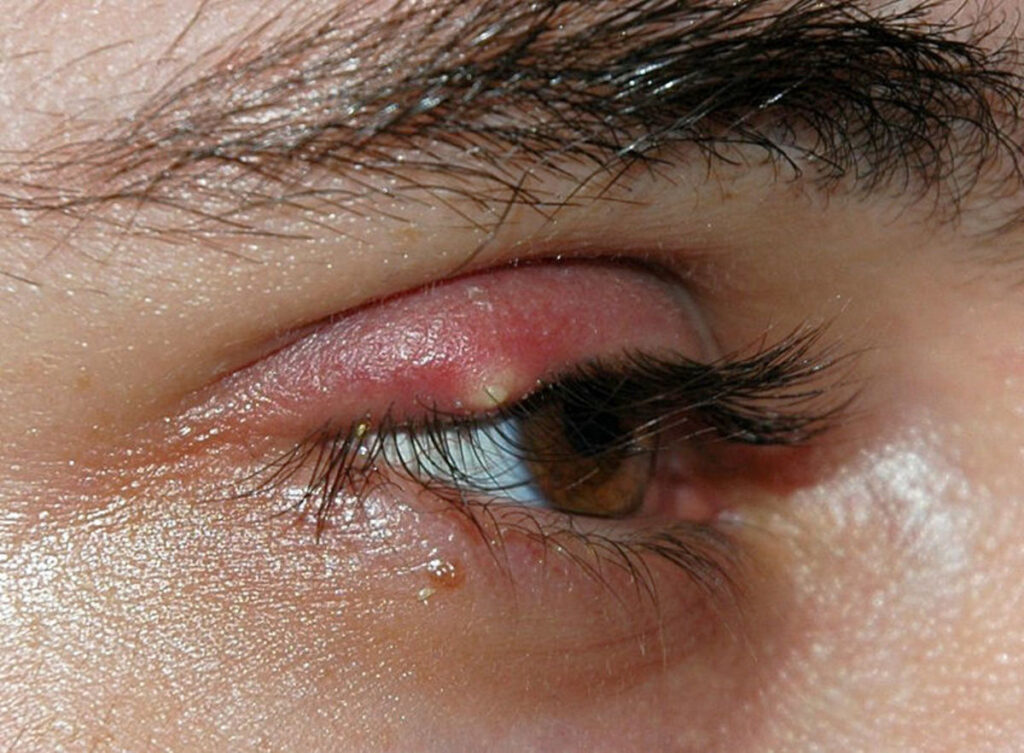
Symptoms include redness, irritation, a gritty or scratchy feeling, watering and light sensitivity. These can look like other eye problems, such as styes, which usually result from a bacterial infection. It is important to have the problem identified and treated correctly and quickly.
Certain eye conditions might also contribute to ingrown eyelashes:
Blepharitis:
This condition happens when the edges of the eyelids become inflamed. Long-term blepharitis can lead to trichiasis.
Distichiasis:
This happens when an extra row of eyelashes grows closer to the eye than normal, which rubs against the eye, causing irritation.
Entropion:
In this condition, the eyelid turns inward, making your eyelashes rub against the eyeball. If entropion continues, it can cause scarring and harm to your cornea.
Herpes of the eye:
Herpes zoster (shingles) can affect the eye and damage the eyelid. This can cause trichiasis.
Trachoma:
Trachoma is a bacterial eye infection. The World Health Organization explains that years of repeated infection scar the eyelid so it turns inward and the lashes rub against the eye, which can lead to blindness. Trachoma is found mainly in poor, rural areas of Africa, Central and South America, Asia and some other regions.
Treatment Of Ingrown Eyelash (Trichiasis)
Children can get ingrown eyelashes, though they’re more common in adults. The treatment is similar for both groups. Lubricating eye drops are often the first step to ease pain, redness and irritation.
Some of these products are available by prescription and some over the counter. At home, a warm compress can feel soothing. To make one, soak a clean cloth in warm water and hold it over the irritated area for up to 10 minutes. These at-home measures won’t get rid of your ingrown eyelash, but they can help with the discomfort and irritation.
Over-the-counter (OTC) remedies can treat symptoms, such as pain and irritation. Ultimately, the misdirected lash needs to be treated by an eye care provider to avoid future problems.
How To Remove An Ingrown Eyelash (Trichiasis)?
When just a few eyelashes are ingrown, a doctor will normally remove them. They may regrow in the right direction, or in the same wrong position.
Plucking:
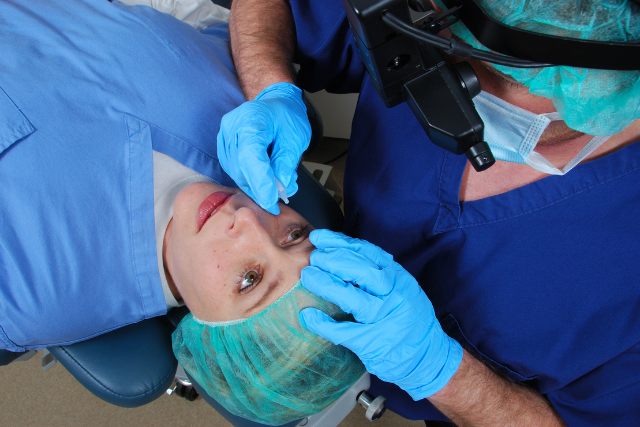
An eye doctor can pluck (epilate) the problem lash with fine forceps. Do not try to pluck lashes near your eyeball yourself, because you could scratch your eye. Plucking is not permanent, so for a more lasting fix you’ll likely need help from an ophthalmologist.
Surgery:
If lashes keep growing back the wrong way, your eye doctor may recommend a procedure that destroys or repositions the lash follicles. You may need eye drops or ointment to help with discomfort as your eye heals.
Eyelid surgery or Ablation surgery:
In laser ablation, a specialist directs a laser at the root of the eyelash to destroy the follicle. This can stop the lash from growing back and help a recurring problem. Surgery to reposition the eyelid is used when the lid itself turns inward, as in entropion.
Cryosurgery:
Cryosurgery (cryotherapy) uses extreme cold to destroy the problem lash follicles. It is effective, but it can cause scarring or changes in skin color.
Electrolysis:
Electrolysis uses an electric current to destroy the hair root, permanently removing the lash.
Like any procedure, these treatments can have risks such as infection, scarring, loss of skin color and uneven lash spacing.
What are these lashes look similar to normal one?
These eyelashes can look similar to other of your lashes. It can be of same normal thickness and color. But sometimes, they can also be thin, colorless and extremely hard to see or take out.
Conclusion:
Ingrown eyelashes are lashes that grow in the wrong direction. They can cause pain and irritation and, if untreated, damage the cornea. There are several treatment options, from plucking to procedures that permanently remove the lash.
It’s best to have an ophthalmologist or optometrist examine your eye. Try to get treatment as soon as possible.
Related Tags: Excessive Eye Blinking
Sources
- Trichiasis (Misdirected Eyelashes): Causes & Treatment, Cleveland Clinic
- Trachoma, World Health Organization