Excessive Eye Blinking: Causes, Signs & treatment
Contents
- Overview
- Eye Blinking Indications
- Blepharospasm and Blinking Eyes
- Causes and Symptoms of Excessive Eye Blinking
- Side Effects of Excessive Eye Blinking
- Neurological Conditions That May Lead To Excessive Eye Blinking
- Different disease including excessive blinking
- Treatment For Excessive Eye Blinking
- Eyestrain
- Movement disorders
- Eye irritation
- Sources
Overview
Blinking spreads tears over the surface of your eyes, keeping them moist and clean. It also protects your eyes from dust, irritants and very bright light. People normally blink about 15 times a minute.
Many things can cause excessive eye blinking. In adults, the most common cause is a problem on the surface of the eye. Allergies, infections and dry eye can all increase blinking, and so can stress, anxiety and tiredness.
In children, facial tics (repeated, quick movements of the face) often include extra blinking. Congenital glaucoma is a rare cause of increased blinking in babies.
Eye Blinking Indications
Excessive blinking can also be caused by conditions of the nervous system. Blinking matters because it keeps dust and objects out of the eye, shields the eye from glare, and keeps the eye moist by spreading the tear film.
You blink more often when you are talking, nervous, in pain, or exposed to very bright light. In some people, frequent blinking is a nervous habit or tic.
Blepharospasm and Blinking Eyes
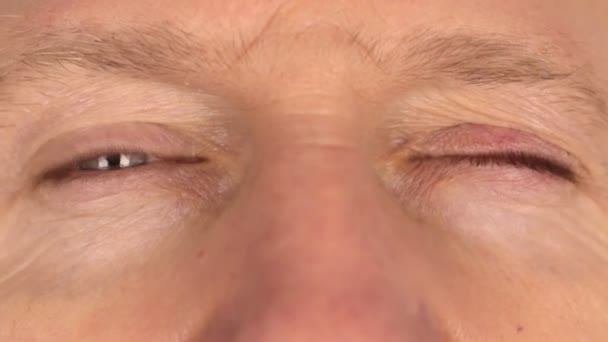
Blepharospasm is blinking or other eyelid movements that you can't control. It is a type of dystonia, a condition in which the nervous system makes muscles contract when they shouldn't.
Blepharospasm usually starts with occasional eyelid twitches. Over time, the eyes may close completely, making reading or driving hard. The spasms may come with other facial movements, such as grimacing.
Increased blinking can also happen with other nervous system disorders. Examples include stroke, tardive dyskinesia and Tourette's syndrome.
Causes and Symptoms of Excessive Eye Blinking
Most often, extra blinking comes from eye irritation caused by bright light, dust, smoke or something in the eye. Allergies, infections and dry eye can also increase blinking. Stress, anxiety and lack of sleep can do the same.
Nervous system conditions can affect blinking too. Parkinson's disease, a brain disorder that affects movement and coordination, tends to reduce blinking rather than increase it.
Increased blinking in young children should be checked by a doctor. Often it is just a facial tic, but frequent blinking with sensitivity to light can be a sign of congenital glaucoma.
Side Effects of Excessive Eye Blinking
Blinking itself is usually harmless. But if extra blinking is caused by an eye disease, not getting treatment can lead to serious problems and lasting damage. Once the cause is found, follow the treatment plan from your eye doctor to lower the risk of complications such as:
- Chronic eye irritation
- Corneal scratches, ulcers or scarring
- Eye pain
- Glaucoma damage
- Repeated eye infections
- Vision loss
Neurological Conditions That May Lead To Excessive Eye Blinking
Some neurological conditions can cause excessive blinking. Still, the chance that your extra blinking is caused by a serious condition is low.
-
Wilson’s disease
This rare inherited condition causes too much copper to build up in the body, including the brain. There it can cause neurological symptoms such as tremors, clumsiness, abnormal muscle movements and, in some people, facial grimacing or extra blinking.
-
Multiple sclerosis.
This condition affects the central nervous system. Besides eye symptoms, it can cause problems with vision, balance, coordination and muscle control.
-
Tourette syndrome.
This condition causes sudden, involuntary movements and sounds (tics). When the tics involve the muscles around the eye, they can cause excessive blinking.
Different disease including excessive blinking
Other conditions linked to changes in blinking include nervous system disorders that affect movement, such as:
- Tourette syndrome
- Parkinson’s malady
- Tardive dyskinesia caused by certain psychiatric medicines
- Stroke
These are suspected when there are serious symptoms besides blinking, such as:
- Numbness or weakness on one side of the body
- Disorientation or confusion
- Difficulties with speech or vision
- A sudden severe headache or severe vomiting
- Other unusual movements
Sudden weakness, confusion or trouble speaking can be signs of a stroke and need emergency care.
To confirm these conditions, doctors use:
- a careful history, including the medicines the person takes
- a physical and neurological examination
- Imaging studies, for example, MRI or CT scans.
Treatment For Excessive Eye Blinking
Sometimes excessive blinking goes away on its own. If it doesn't, your doctor can look for the cause. Treatment for excessive blinking depends on the underlying reason.
-
Eyestrain
Take regular breaks from screens and reading, reduce glare, and make sure your glasses prescription is up to date. These steps can ease eye strain and the blinking that comes with it.
-
Movement disorders
Botulinum toxin (Botox) injections are the main treatment for blepharospasm: They relax the eyelid muscles, and most people need injections every 3 to 4 months. Botox injections, sometimes with medicines, can also reduce symptoms of Meige syndrome, a form of dystonia that affects the eyelids and lower face.
-
Eye irritation
Treatment for eye irritation depends on the cause and includes options such as:
- avoiding irritants like smoke or air pollution
- applying warm compresses to irritated or infected eyelids
- using over-the-counter eye drops for dryness (artificial tears) or allergies
- taking allergy medicines such as antihistamines
- using prescription antibiotic or steroid drops when your doctor prescribes them
- wearing an eye patch for a corneal scratch, if your doctor advises it
- removing ingrown eyelashes, either by plucking for short-term relief or with electrolysis for a permanent fix
Sources
- Blepharospasm, National Eye Institute
- Dystonia, NINDS
- Computers, Digital Devices, and Eye Strain, American Academy of Ophthalmology