How to Get Rid of Acne During Pregnancy: Best Tips
Contents
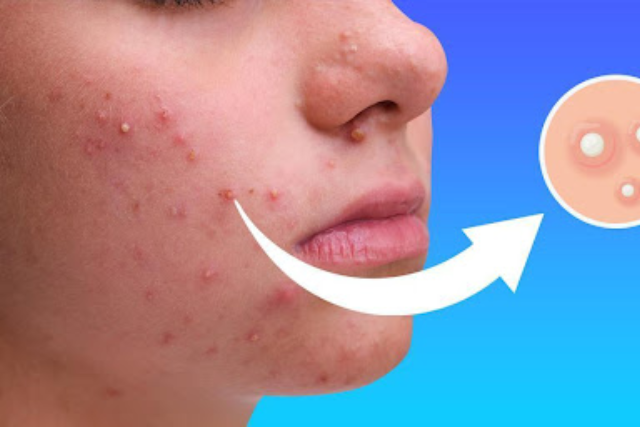
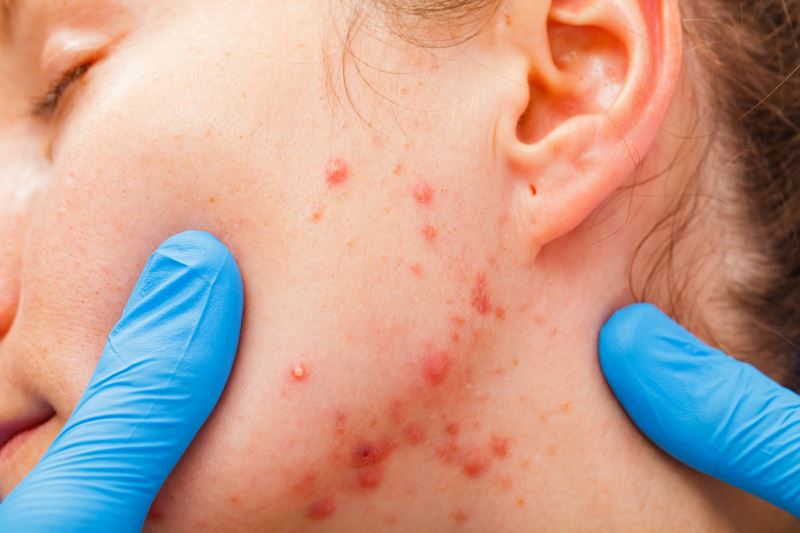
Rid of Acne during pregnancy is a common concern, because breakouts often flare when pregnancy hormones rise. Higher hormone levels can increase the skin's oil (sebum) production, which can clog pores and lead to acne.

Acne during pregnancy can usually be managed. You have to take special care of your skin and the products you use on your face, because some acne medicines are not safe for a developing baby. Below are gentle steps you can take, and what to ask your doctor about.
Few tips to Rid of Acne during Pregnancy
1- Do not Skip Cleansing
Washing your face twice a day with a gentle, non-irritating cleanser removes excess oil and dirt that can mix with dead skin cells and clog pores. Use a mild cleanser and read the label before buying, because some acne washes contain ingredients your doctor may want you to avoid.
Do not scrub, pick or squeeze pimples, since that can worsen inflammation and scarring.
2- Avoid Using Greasy products
Oily skin care products, makeup and hair products can clog pores. To get rid of acne during pregnancy, choose products labeled oil-free or non-comedogenic. Some hair products can also trigger acne along the hairline, so watch for that too.
3- Consuming plenty of Water
Drinking enough water is important during pregnancy. It will not flush acne out of your skin, though, and there is no good evidence that water alone clears breakouts or will naturally help to get rid of acne scars during pregnancy.
Which Acne Treatments Are Safer During Pregnancy?
The American Academy of Dermatology advises getting expert advice from your obstetrician or a dermatologist before using any acne treatment while pregnant.
Options often considered safer, with your doctor's okay, include azelaic acid, limited amounts of benzoyl peroxide, salicylic acid for a limited time, and clindamycin applied to the skin.
Some medicines should be avoided. Isotretinoin, tazarotene and spironolactone can cause serious birth defects. Most experts also recommend stopping tretinoin and adapalene, and doxycycline, minocycline and tetracycline should be stopped by the 15th week of pregnancy.
Home Remedies
Many people also ask about home remedies for acne. The ones below are popular, but they have little scientific evidence behind them. Check with your doctor first and stop if your skin gets irritated:
1- Apple Cider Vinegar
Some people use diluted apple cider vinegar (equal parts water and vinegar) as a toner. Be careful. Vinegar is acidic and can irritate or even burn the skin, especially if left on for long periods. There is no good evidence that it clears acne within a week, and skin can be more sensitive during pregnancy.
2- Honey a magic ingredients
Honey is a traditional home remedy for acne. Applying a thin layer of honey as a short mask is generally low-risk, but it has not been shown to clear acne and it is not a substitute for proven treatments.
3- Cucumber and Yogurt
Another popular home remedy is a cucumber and yogurt mask. Add some crushed cucumber or cucumber juice to yogurt, make a smooth paste and apply it to the face for 15 minutes. It may feel soothing and cooling, but there is no evidence that it treats acne.
If your acne is painful, widespread or leaving scars, talk to your obstetrician or a dermatologist about treatment that is safe for you and your baby.
HP Thoughts: Did it occur to you that your pimples might also be fungal in origin? Learn more about this: What Is Fungal Acne?
Sources
- Is any acne treatment safe to use during pregnancy?, American Academy of Dermatology
- Acne scars: Diagnosis and treatment, American Academy of Dermatology