Is Donald Trump Obese But Healthy?
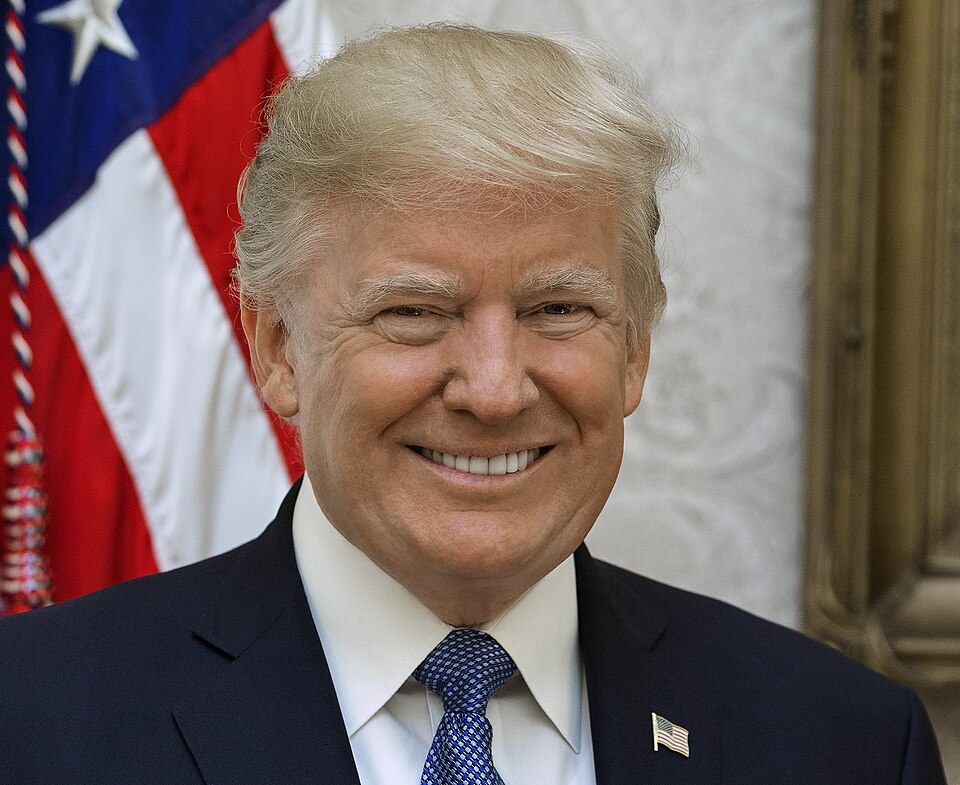
Photo by Shealeah Craighead, Public domain, via Wikimedia Commons
Is Donald Trump Obese But Healthy? What His 2019 Physical Showed
On May 18, 2020, Ms. Nancy Pelosi discussed Mr. Donald Trump's age and weight during an interview with CNN host Anderson Cooper. She was reacting to the President's statement that he was taking hydroxychloroquine, a malaria drug, to ward off coronavirus. Her comments made many people ask, "Is Donald Trump obese?"
"I would rather he not be taking something that has not been approved by the scientists, especially in his age group and in his, shall we say, weight group," Ms. Pelosi said. "He's morbidly obese, they say."
This article reflects reporting from 2020.
Obesity Measurements;
The Centers for Disease Control and Prevention (CDC) defines obesity as a Body Mass Index (BMI) of 30 or higher. It defines severe obesity as a BMI of 40 or higher. The CDC does not use the term "morbidly obese," but other medical sources use it for a BMI of 40 or more. Here the question arises...
Where does the president fall between these measurements?
Mr. Trump's February 2019 physical listed him at 6 feet 3 inches and 243 pounds. That was 4 pounds more than at his 2018 exam.
Those numbers give a BMI of about 30.1, which falls in the lowest obesity class. PolitiFact rated the "morbidly obese" claim False because he was nowhere near a BMI of 40.
After his 2018 exam, then-White House physician Dr. Ronny Jackson said Mr. Trump's overall health was excellent. Dr. Jackson also advised a diet lower in fat and carbohydrates and a routine exercise regimen.
Obese But HEALTHY???
BMI is a screening number, not a full health check. A BMI just over 30 raises the risk of conditions like heart disease and type 2 diabetes, but it doesn't diagnose them.
Dr. Sean Conley, a Navy commander, was the White House physician in 2019 and 2020. His summaries of the President's physicals described him as healthy, though they released limited detail.
Reports at the time said he also took zinc and vitamin D supplements along with the drug.
The FDA has said hydroxychloroquine has not been shown to be safe and effective for treating or preventing COVID-19. The FDA warned that the drug can cause serious heart rhythm problems in COVID-19 patients, and it revoked the drug's emergency use authorization on June 15, 2020.
HP Thoughts: Taking drugs and believing they are potent enough to combat the COVID-19 virus is a big gamble! In fact, you might cause your healthy heart to get sick. Here is one of the most common heart ailments we would discuss starting today: Structural Heart Disease.