Mylanta vs Maalox: Unveiling the Best Antacid for You
Contents
When it comes to battling the discomfort of acid reflux, heartburn, and indigestion, Mylanta vs Maalox often comes up as a hot topic.
These over-the-counter antacids are a common first choice for occasional heartburn.
But which one works better? Let’s compare what is actually in them.
The Antacid Arsenal: What Are They?
Antacids like Mylanta and Maalox are over-the-counter medicines for occasional heartburn, acid indigestion and upset stomach.
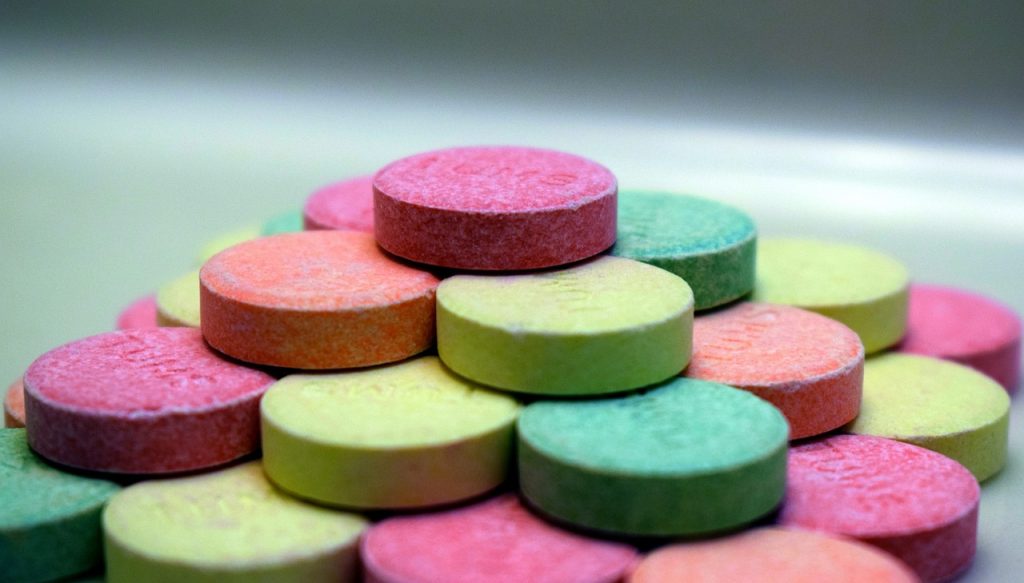
They come as chewables, liquids and tablets. They contain alkaline compounds such as calcium carbonate, magnesium hydroxide or aluminum hydroxide.
Their job is to neutralize stomach acid that is already there.
How Antacids Turn the Tide
When you take an antacid, it reacts with stomach acid and raises the pH in your stomach. That eases the burning feeling within minutes.
A less acidic stomach also makes pepsin, a protein-digesting enzyme, less active. The relief is short-lived, though, because antacids don’t stop your stomach from making more acid.
Spotlight on Maalox
Maalox has been around for decades. The Maalox Antacid liquid listed on DailyMed contains aluminum hydroxide 200 mg, magnesium hydroxide 200 mg and simethicone 20 mg in each 5 mL.
The two antacids balance each other. Aluminum hydroxide tends to cause constipation, while magnesium hydroxide tends to loosen stools. Simethicone helps break up gas bubbles.
Maalox: The Inner Workings
Once Maalox reaches your stomach, it neutralizes acid and eases the burn. The simethicone can also relieve gas pressure and bloating.
But, be aware: like any medication, Maalox has side effects and can interact with other drugs. Always keep your healthcare provider in the loop.
Mylanta: The Challenger
Then there’s Mylanta. The Mylanta Maximum Strength label lists aluminum hydroxide 800 mg, magnesium hydroxide 800 mg and simethicone 80 mg in each 10 mL.
The difference is mostly in the details. Many other Mylanta liquids, such as Mylanta Classic and Mylanta Tonight, use calcium carbonate with magnesium hydroxide instead of aluminum.
How Mylanta Makes Its Mark
Mylanta works the same way as Maalox: it neutralizes acid already in the stomach. Neither product has been shown to coat and protect the esophagus.
Side effects are possible with any medication, so read the label and talk with your healthcare provider or pharmacist.
Maalox vs Mylanta: The Showdown
Because the aluminum and magnesium versions of both brands share the same active ingredients, they should work about the same. The main differences are strength per dose, flavor and price.
Some people prefer one brand’s taste or texture. Compare the milligrams on the label, not just the brand name.
Safety Tips for Both
According to the Mylanta label, ask a doctor before use if you have kidney disease or are on a magnesium-restricted diet. Ask a doctor or pharmacist first if you take prescription drugs, since antacids can interact with some of them.
MedlinePlus notes that aluminum and magnesium antacids can affect other medicines, such as iron and some vitamins. Your doctor may tell you to space them about 2 hours apart.
Don’t take the maximum dose for more than 2 weeks unless a doctor tells you to. Children under 12 should use antacids only with a doctor’s advice.
Availability: A Key Factor
Both Maalox and Mylanta are sold in most pharmacies and grocery stores. Store brands with the same ingredients are often cheaper.
Wrapping It Up
In the comparison of Mylanta vs Maalox, the liquid versions with aluminum and magnesium hydroxide are nearly identical. Your choice may come down to strength, taste and cost.
If you need antacids often, or heartburn comes with trouble swallowing, weight loss, vomiting or chest pain, see a clinician. Frequent heartburn can be a sign of GERD or another condition that needs a diagnosis.
Sources
- Mylanta Maximum Strength Classic Flavor label, DailyMed (National Library of Medicine)
- Maalox Antacid label, DailyMed (National Library of Medicine)
- Aluminum Hydroxide and Magnesium Hydroxide, MedlinePlus