Fastest Way to Get Rid of Cold Sore
Contents
Cold sore
There are several ways to help a cold sore heal faster, but first it helps to understand what it is and how to stop it from spreading.
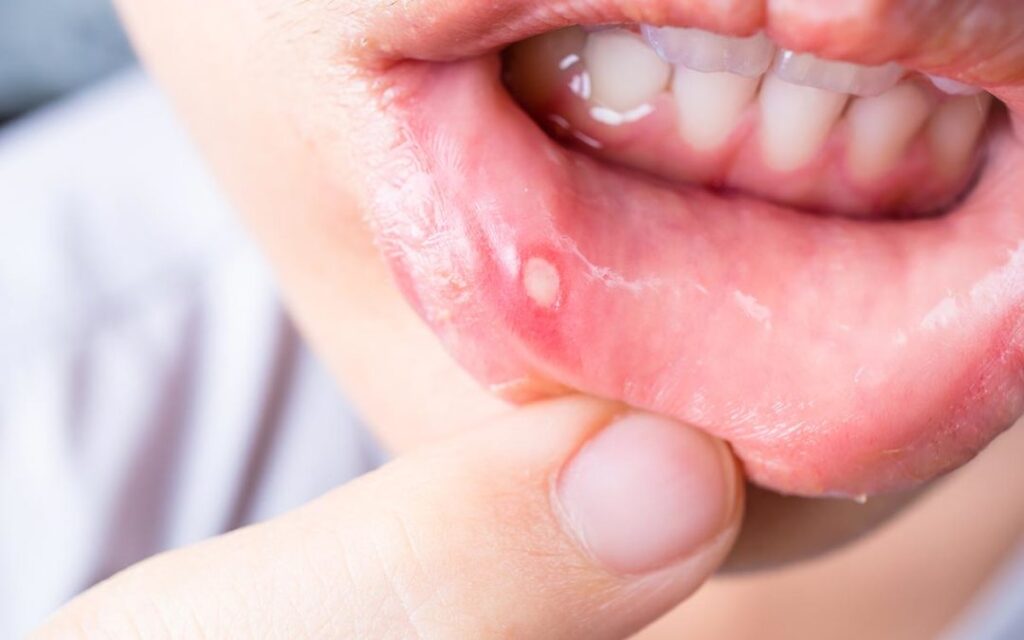
Cold sores are small, painful blisters, usually on or around the lips. They are also called “Fever blisters”. They are caused by the herpes simplex virus (HSV), most often HSV-1, which causes oral herpes.
There is no need to feel ashamed or hide at home if you have a cold sore; they are very common. According to MedlinePlus, an outbreak usually clears without treatment in 1 to 2 weeks, and the steps below can help it heal faster or hurt less.
How cold sore starts?
Cold sores usually appear on the lips and around the mouth. Before the blisters appear, many people feel itching, tingling, or burning. Fluid-filled blisters then form, break open, and crust over.
Why it occurs?
After the first infection, the virus stays in the body and can flare up again. Outbreaks are often triggered by sun exposure, cold wind, fever or another illness, a weak immune system, hormone changes such as menstruation, or stress.
How it spreads?
The virus spreads from person to person through close contact, like kissing, especially when a sore is present. It can also spread by sharing:
- Cosmetics
- Food and drink
- Lip balm
- Razors
- Toothbrushes
- Towels
- Utensils and drinking glasses
Treatments (Things to do)
“A burning or tingling sensation on your lips or face can be an early warning sign that a cold sore is developing, and the earlier you start reducing swelling and treating the cold sore, the faster it will heal.”
There is no cure for the herpes virus, but treatment can shorten an outbreak and ease the pain. The options are:
- Home remedies
- creams or ointments
- medications
1. Home remedies
Home remedies are cheap and easy, but most have little scientific evidence. They may ease discomfort, but they are not proven to clear a cold sore faster.
Before trying any remedy, do a test patch on another area of skin to check for irritation or allergy. Some popular remedies are:
- Apple cider vinegar: Apple cider vinegar is acidic and there is no good evidence that it helps cold sores. Undiluted, it can irritate or burn the skin, and it may sting an open sore. It is best avoided.
- Tea tree oil: Tea tree oil has antiviral activity in lab studies, but there is little evidence that it helps cold sores in people.
If you try it, never use it undiluted. Dilute it first, then dab a small amount on the area with a cotton bud.
Also have a look at this: Tea Tree Oil – What Are Its 7 Best Uses?
-
Honey: Honey has antibacterial properties. Small studies have tested medical-grade honey products on cold sores, but the evidence is limited, and kitchen honey has not been shown to speed healing.
-
Lemon Balm: Lemon balm is an herb in the mint family, not a citrus fruit. Some small studies suggest lemon balm creams may ease cold sore symptoms, but the evidence is limited.
-
Vitamin C and E: Some lab studies suggest these vitamins affect the herpes simplex virus. There is no strong evidence that taking them or applying them heals cold sores faster.
-
Ice: A cool or ice-filled washcloth can ease pain and swelling. Don’t put ice directly on the skin, as it can cause damage.
-
Peppermint oil: Peppermint oil shows activity against HSV-1 and HSV-2 in lab studies, but this has not been proven in people. If you try it, dilute it well before applying.
-
Propolis: Propolis is a resin-like substance that bees make. Ointments containing it have been studied for herpes sores, but the evidence is limited.
-
Oils: Oils such as ginger, thyme, hyssop, and sandalwood are sometimes suggested, but there is no good evidence that they help. Essential oils can irritate the skin.
-
Reduce stress: If your cold sores are triggered by stress, relaxation techniques such as deep-breathing exercises and meditation may help prevent outbreaks.
2. Creams or ointments:
Over-the-counter creams can ease pain and irritation. Antiviral creams, such as docosanol, work best when applied as soon as you feel tingling; the NHS notes they often don't work once blisters appear. Dab cream on rather than rubbing it in.
Cold sore patches can protect the skin while it heals. A lip balm with SPF 15 or higher can help prevent sun-triggered outbreaks.
Prescription antiviral creams such as penciclovir and acyclovir are also available, but they offer only modest benefit.
3. Medications:
Antiviral pills such as acyclovir, valacyclovir, and famciclovir can help cold sores heal faster. They work best when started at the first warning signs, before blisters form.
If you have frequent outbreaks or severe symptoms, your doctor may prescribe antiviral medicine to take at the first tingle, or daily to prevent outbreaks. Over-the-counter pain relievers such as acetaminophen or ibuprofen can ease pain.
Precautions (Things not to do)
If you want to get rid of a cold sore, avoid these things.
Don’t touch:
Avoid touching the sore. You can spread the virus to other parts of your body, including your eyes, or to other people. Wash your hands if you do touch it.
Don’t squeeze:
Don’t squeeze it. It is not a pimple. Squeezing can spread the virus and may cause scarring.
Don’t pick:
Don’t pick at the scab. Try to keep your hands off, as picking slows healing and may leave a scar.
Don’t scrub:
Keep the area clean, but wash it gently with mild soap and water. Avoid scrubbing, which can irritate the sore.
Don’t eat acidic:
Hot, spicy, salty, or acidic foods, like citrus fruits and tomatoes, can sting when they touch a cold sore. Avoid them until it heals.
Time to see the doctor:
See your doctor if your symptoms are severe or the sore does not improve after 2 weeks. Get medical care right away if a sore appears near your eyes, because eye infections can cause lasting damage.
Also see a doctor if you have a weakened immune system, or if you get cold sores often. Your doctor can prescribe antiviral medicine.
Don't kiss babies while you have a cold sore. Herpes in newborns can be very dangerous.
Conclusion:
There is no cure for the virus that causes cold sores, but most sores heal on their own in 1 to 2 weeks. Antiviral medicine started early is the fastest proven way to shorten an outbreak.
Don’t feel embarrassed if you have a cold sore. It is very common. Avoid touching it, avoid close contact while it is active, and see a doctor if it is severe or near your eyes.
Sources
- Herpes - oral, MedlinePlus
- Cold sores, NHS