10 Benefits Of Eating Raw Broccoli Or Cooked
Contents
- What is broccoli and benefits of eating raw broccoli
- Benefits of eating raw broccoli
- 1. Full of Anti-oxidants
- 2. Bio-active compounds
- 3. Full box of vitamins and minerals
- 4. May help with blood sugar control
- 5. Reduces cholesterol
- 6. Improves digestion and reduced constipation
- 7. Strong immune system
- 8. Heart health
- 9. Anti-aging constituent
- 10. Healthy pregnancy
- Raw broccoli or cooked?
- Excess amount of broccoli
- Tips
- Conclusion
- Sources
What is broccoli and benefits of eating raw broccoli
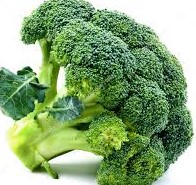
Confused about benefits of eating raw broccoli or cooked? Broccoli is a green vegetable in the cabbage family. The parts we eat are its large flowering head and the stalk. The name comes from Italian, the plural of broccolo, meaning "the flowering crest of a cabbage."
Scientific name: Brassica oleracea (Italica group)
classification: a cultivated form of wild cabbage
origin: Italy
Common types include:
- Sprouting broccoli
- Calabrese broccoli
- Purple cauliflower (a broccoli-type head with purple florets)
Broccoli is packed with fiber, vitamins and plant compounds. Raw and cooked broccoli are both healthy. Raw broccoli keeps more vitamin C and lets your body form more sulforaphane, while lightly cooked broccoli is easier for some people to digest.
Benefits of eating raw broccoli
Here are the main benefits of eating broccoli, either raw or cooked.
1. Full of Anti-oxidants
Antioxidants are substances that can limit damage from unstable molecules called free radicals. Broccoli supplies antioxidants such as vitamin C.
Diets rich in vegetables and fruits are linked with lower rates of heart disease and cancer. However, antioxidant supplements have not shown the same benefit, and high-dose beta-carotene raised lung cancer risk in smokers. Getting antioxidants from foods like broccoli is the better approach.
2. Bio-active compounds
Broccoli contains bioactive plant compounds beyond basic vitamins. These include phenolics, flavonoids, carotenoids and glucosinolates, which the body converts to sulforaphane.
Lab and animal studies suggest these compounds have antioxidant and anti-inflammatory effects. Human studies are still limited, so broccoli should be seen as part of a healthy diet, not as protection against cancer or heart disease on its own.
3. Full box of vitamins and minerals
One cup of chopped raw broccoli (about 91 grams) contains roughly the following, based on USDA FoodData Central:
- Calories: 31
- Carbs: 6 grams
- Protein: 2.6 grams
- Fat: 0.3 grams
- Fiber: 2.4 grams
- Vitamin C: 81 mg (about 90% of the Daily Value)
- Vitamin K: 92 mcg (about 77% of the Daily Value)
- Folate: 57 mcg (about 14% of the Daily Value)
- Potassium: 288 mg (about 6% of the Daily Value)
- Vitamin A: 28 mcg RAE (about 3% of the Daily Value)
4. May help with blood sugar control
Broccoli does not cure obesity or diabetes, including Type 1 Diabetes and Type 2 Diabetes. A 2017 study in people with obesity and poorly controlled type 2 diabetes found that a concentrated broccoli sprout extract rich in sulforaphane lowered fasting blood sugar and HbA1c.
That study used a concentrated extract, not ordinary servings of broccoli. People with diabetes should keep following their treatment plan and talk to their care team before changing it.
5. Reduces cholesterol
Broccoli provides fiber. Diets high in fiber, especially soluble fiber, can help lower LDL cholesterol as part of an overall heart-healthy eating pattern.
6. Improves digestion and reduced constipation
Fiber adds bulk to stool and helps keep bowel movements regular. Eating fiber-rich vegetables like broccoli, along with enough fluids, can help prevent constipation.
7. Strong immune system
The immune system is a network of cells that protects the body from infections. It remembers germs it has fought before through memory cells.
Broccoli supplies vitamin C, which the immune system needs to work normally. No single food "boosts" immunity, but a varied diet with enough vitamins supports it.
8. Heart health
Fiber, potassium and plant compounds in broccoli fit a heart-healthy diet. Early research suggests sulforaphane may help protect blood vessel linings, but this has not been proven in large human trials.
9. Anti-aging constituent
Aging is a natural process that no food can stop. A healthy diet rich in vegetables supports overall health as you age.
Researchers are studying whether sulforaphane affects processes linked to aging, such as oxidative stress. These results come mostly from lab studies and are not proof that broccoli slows aging.
10. Healthy pregnancy
During pregnancy, women need more of several nutrients, including folate. Broccoli provides folate, fiber and vitamin C.
Folate helps prevent birth defects of the baby's brain and spine (neural tube defects). Food alone may not be enough, though. Women who could become pregnant are advised to take at least 400 mcg of folic acid a day from a supplement, in addition to folate from food.
Raw broccoli or cooked?
A study in the Journal of Agricultural and Food Chemistry found that sulforaphane absorption was about 37% from raw broccoli versus 3.4% from cooked broccoli. Cooking inactivates myrosinase, the plant enzyme that turns glucoraphanin into sulforaphane.
Cooking also lowers vitamin C. If raw broccoli gives you gas or is hard to chew, lightly steamed broccoli is still a nutritious choice.
Excess amount of broccoli
Broccoli is very nutritious, but eating large amounts at once can cause gas or bloating because of its fiber and sulfur compounds. Increase portions slowly if you are not used to high-fiber foods.
People who take the blood thinner warfarin should eat consistent amounts of vitamin K from week to week. Broccoli is high in vitamin K, so talk to your doctor before making big changes to how much you eat.
Tips
When buying broccoli, choose heads that are tight, firm and dark green. Avoid heads that are limp, yellowing or wilting.
Fresh, young broccoli should not taste stringy, woody or sulfurous. Broccoli can turn woody if it is stored at room temperature or kept too long.
Store broccoli unwashed in a loose or perforated bag in the crisper drawer of the refrigerator. Wash it just before eating, since wet broccoli can grow mold and turn limp.
Conclusion
Broccoli is rich in vitamin C, vitamin K, fiber and plant compounds. Raw broccoli keeps more vitamin C and sulforaphane, and cooked broccoli is still a healthy option.
No single food keeps you healthy on its own. Eat broccoli as part of a varied diet with other vegetables, fruits, whole grains and protein foods. Moreover, it can be part of a plan for weight loss.
Sources
- Broccoli, raw, USDA FoodData Central
- Bioavailability and kinetics of sulforaphane in humans after consumption of cooked versus raw broccoli, Journal of Agricultural and Food Chemistry (PubMed)
- Sulforaphane reduces hepatic glucose production and improves glucose control in patients with type 2 diabetes, Science Translational Medicine (PubMed)
- Folic acid in diet, MedlinePlus