5 Best Uses Of Lavender Oil For Hair
Contents
- Overview
- Advantages of Lavender Oil:
- Uses of Lavender Oil For Hair:
- Promotes Hair Growth:
- Works as an Antimicrobial
- Kill Head Lice
- Cure Skin Inflammation
- Calming Effect
- How to use lavender oil for hair?
- Massaging into the scalp
- Mix it in hair products
- Purchase Products Having Lavender Oil
- Use Lavender Oil Hair Serum
- Lavender hair mask
- Does Lavender Oil Have Side Effects?
- Conclusion:
- Sources
Essential oils have become a popular part of home beauty routines, and lavender oil is one of the best known. Many people add it to their hair care for its scent.
Here's what lavender oil may and may not do for your hair, based on the research so far.
Overview
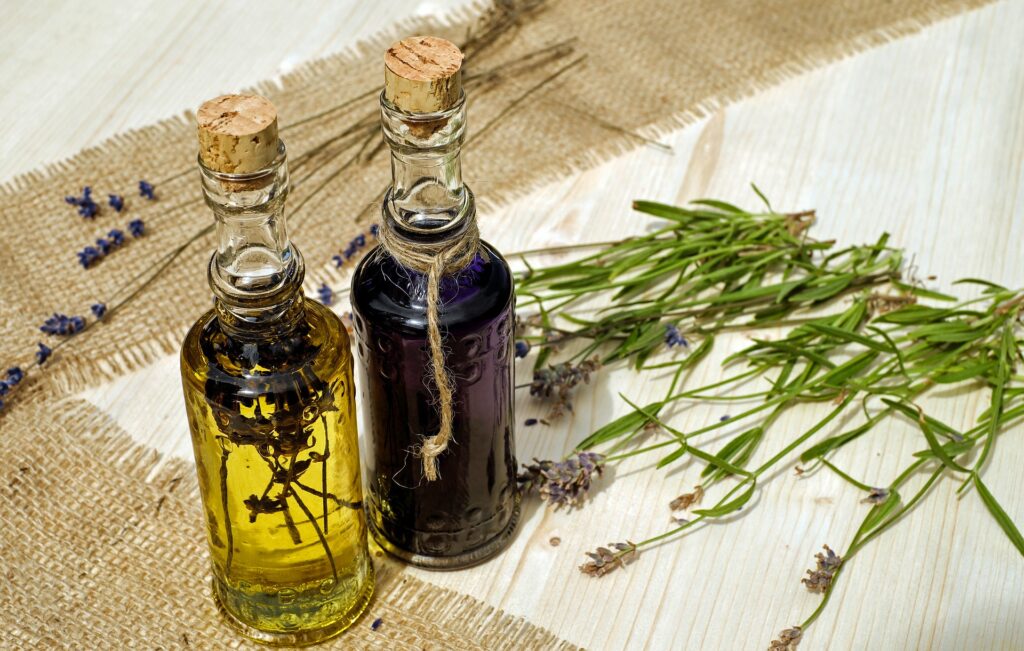
Lavender essential oil is distilled from the flowers of the lavender plant. The result is a highly concentrated oil with a strong fragrance.
Because it is so concentrated, it should be diluted before it touches your skin or scalp.
Advantages of Lavender Oil:
Lavender oil is widely used for its pleasant scent in hair and skin products and as an air freshener. Research on its health benefits is limited.
The National Center for Complementary and Integrative Health says small studies suggest an oral lavender oil product might help anxiety, but the evidence is limited.
To buy: Handcraft Lavender Essential Oil – 100% Pure & Natural
Uses of Lavender Oil For Hair:
Here's what is claimed for lavender oil and what the evidence shows:
-
Promotes Hair Growth:
Lavender oil has gained attention as a possible hair growth aid. In a 2016 study in mice, lavender oil diluted to 3% or 5% in jojoba oil increased hair follicles and hair growth.
That study was in animals, not people. There is no good evidence yet that lavender oil treats baldness or alopecia in humans. See a dermatologist for hair loss, since proven treatments exist.
-
Works as an Antimicrobial
Lab studies suggest lavender oil has some antibacterial and antifungal activity. Whether that prevents scalp problems like dandruff or infections in people has not been well tested.
If you have an itchy, flaky or sore scalp, see a doctor or dermatologist.
-
Kill Head Lice
Some people use lavender oil, often with tea tree oil, against head lice. These products have not been proven to work as well as standard lice treatments.
The CDC recommends over-the-counter or prescription lice medicines used as directed. Don't rely on essential oils alone to treat lice, especially in young children.
-
Cure Skin Inflammation
Lavender oil is sometimes used to soothe skin inflammation and dryness. There is little evidence that it heals or cures inflammation of the scalp.
Lavender can itself cause allergic skin reactions in some people, which can make irritation worse.
-
Calming Effect
Many people find the scent of lavender relaxing. Enjoying the fragrance while you care for your hair may help you unwind, though research on its calming effects is still limited.
How to use lavender oil for hair?
If you'd like to try lavender oil, here are some common ways to use it. Do a patch test on a small area of skin first and wait a day to check for a reaction.
-
Massaging into the scalp
Don't apply undiluted lavender oil directly to your scalp. Mix a few drops into a carrier oil, such as jojoba or coconut oil, before use.
Massage the diluted mix into your scalp, leave it on for about 20 minutes, then wash it out. Once or twice a week is plenty.
-
Mix it in hair products
You can add a few drops to your shampoo or conditioner for hair growth routines or for the fragrance. Use only a small amount and mix it well before applying.
-
Purchase Products Having Lavender Oil
Ready-made products that list lavender oil as an ingredient save you from mixing your own. They are already diluted for use on skin and hair.
Follow the product's directions.
-
Use Lavender Oil Hair Serum
Hair serums are products designed for frizzy hair, oily hair and split ends.
Some hair serums include lavender oil. They can make hair look smoother, but there is little evidence that the lavender itself reduces hair fall or boosts growth.
Follow the label directions.
-
Lavender hair mask
A hair mask can help with dryness and frizz. A mask with lavender oil can moisturize your hair and add fragrance. Use it about once a week.
Does Lavender Oil Have Side Effects?
Yes. Lavender products on the skin may cause allergic reactions in some people, such as a rash, hives or dermatitis. If this happens, stop using it.
Keep it away from your eyes, and don't swallow essential oils.
A few cases of breast tissue swelling have been reported in children who used lavender products on the skin, though it is unclear whether lavender caused it. Ask a pediatrician before using lavender oil on a child.
There are theoretical concerns that lavender may interact with sedative medicines. Talk with your healthcare provider before using it if you take any medicine.
Conclusion:
Lavender oil can be a pleasant addition to your hair care routine. Evidence that it promotes hair growth comes mainly from a mouse study, so don't count on it to treat hair loss.
Always dilute it, patch test first, and see a dermatologist if you have hair loss or a scalp problem.
Sources
- Lavender: Usefulness and Safety, National Center for Complementary and Integrative Health (NIH)
- Hair Growth-Promoting Effects of Lavender Oil in C57BL/6 Mice, Toxicological Research (PMC)
- Treatment of Head Lice, CDC