Can Olive Oil Replace Your Skincare Products?
Contents
- Olive Oil For Skin Care
- Face Scrub
- Face Mask
- Hair Mask
- Lip Scrub
- Lip Stain
- Body Scrub
- Eyelash Growth Oil
- Makeup Remover
- Dark Spot Remover
- Treatment Against Dandruff
- Dry And Dead Skin Removal Fix
- Hair Removal Cream
- Anti-Aging Olive Oil Facial Cream
- Dark Circle Remedy
- Stretch Mark Reduction
- Cuticle Oil
- Treating Cracked Heels
- Conclusion
- Sources
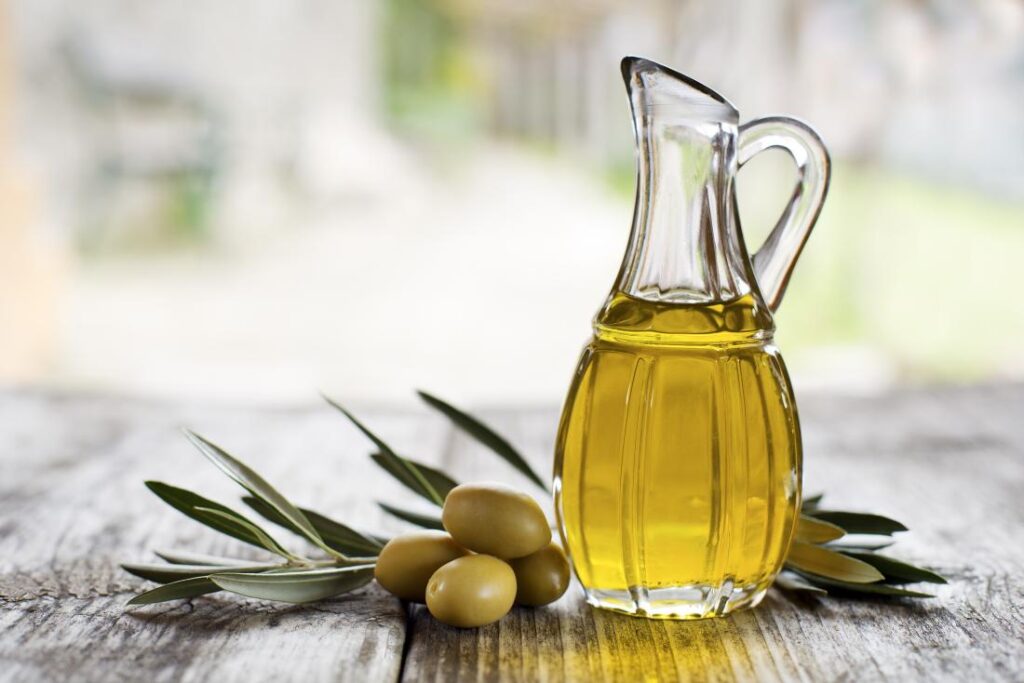
A rise in cruelty-free beauty has pushed many people toward a "green" beauty routine. Of all the oils we know, olive oil is one of the most popular all-natural ingredients in DIY skincare.
The health benefits of olive oil are best known in the kitchen, and many people also use it in their beauty routine.
Extra virgin olive oil contains vitamin E and antioxidants, and it can soften dry skin. But it is not a miracle product, and it doesn’t erase spots or wrinkles.
Some research suggests caution. A review of plant oils in the International Journal of Molecular Sciences notes that olive oil applied to the skin can harm the skin barrier, increasing water loss in adults with and without eczema.
So olive oil can replace a few products, but not all of them. Here are popular olive oil home remedies, with what to expect and what to skip.
Olive Oil For Skin Care
These easy olive oil home remedies use a few inexpensive ingredients that may already be in your kitchen. Always test a small patch of skin first, and stop if you notice redness, itching or breakouts.

Face Scrub
An olive oil and sugar scrub can soften rough skin on the body. Skip it on acne-prone skin, though.
The American Academy of Dermatology warns that scrubbing and exfoliants can irritate skin and make acne look worse. Gentle cleansing and proven acne treatments work better.
Face Mask
Olive oil is often used in homemade face masks for dry skin.
Mix one tablespoon each of honey and olive oil with three tablespoons of mashed avocado. Coconut oil is often added, but it can clog pores in acne-prone skin.
Apply the mask for 10 to 15 minutes, then rinse it off. Use it no more than once a week.
Hair Mask
A mix of two tablespoons each of aloe vera gel, coconut oil and extra virgin olive oil can help soften dry hair. Rinse it out well, because oil left on the scalp can weigh hair down.
Lip Scrub
A gentle olive oil and sugar scrub can smooth dry, flaky lips.
Mix brown sugar with a little olive oil and rub it on your lips gently. Skip essential oils on the lips, since they can irritate or cause allergic reactions.
Lip Stain
You can make a simple tinted lip balm at home. Mash 5 blackberries and 5 raspberries, strain the juice and mix it with 1 tablespoon of olive oil. Keep it in the fridge and use it within a few days.
Body Scrub
Olive oil mixed with sugar makes a simple body scrub for rough areas like elbows and knees.
Leave out lemon juice. Citrus juice on the skin followed by sun exposure can cause a burn-like rash called phytophotodermatitis.
Some people use coffee grounds with brown sugar and a dash of olive oil once a week. This can make skin feel smoother, but it won’t clear pimples or bumps, and harsh scrubbing can make them worse.
Eyelash Growth Oil
Some people dab olive oil and castor oil on their lashes, hoping to grow them. There is no good evidence that either oil makes lashes longer or thicker.
Oils near the eyes can also cause irritation or clogged eyelid glands. If you try it, keep it out of your eyes and stop if your eyes get red or itchy.
Makeup Remover
Harsh cleansers can leave your skin irritated, and some people react to makeup removers.
Olive oil can work as a simple makeup remover, especially for long-wearing makeup. Apply it with a cotton pad, then wash your face with a gentle cleanser so the oil doesn’t stay on your skin.
Dark Spot Remover
Many DIY recipes for dark spots mix olive oil with salt and baking soda. We don’t recommend it.
Baking soda is very alkaline, and salt scrubs are rough, so this mix can irritate the skin. Irritation can actually make dark spots darker, especially on darker skin tones.
Daily sunscreen and gentle care are the best first steps. For stubborn dark spots, see a dermatologist about proven treatments.
Treatment Against Dandruff
Olive oil is not a proven dandruff treatment, and oils may make some types of dandruff worse. A medicated dandruff shampoo usually works better.
Tea tree oil can irritate the skin, so if you use it, dilute it well and test it first.
Dry And Dead Skin Removal Fix
Olive oil can soften dry, rough patches on the body. Gentle exfoliation now and then helps remove dead skin.
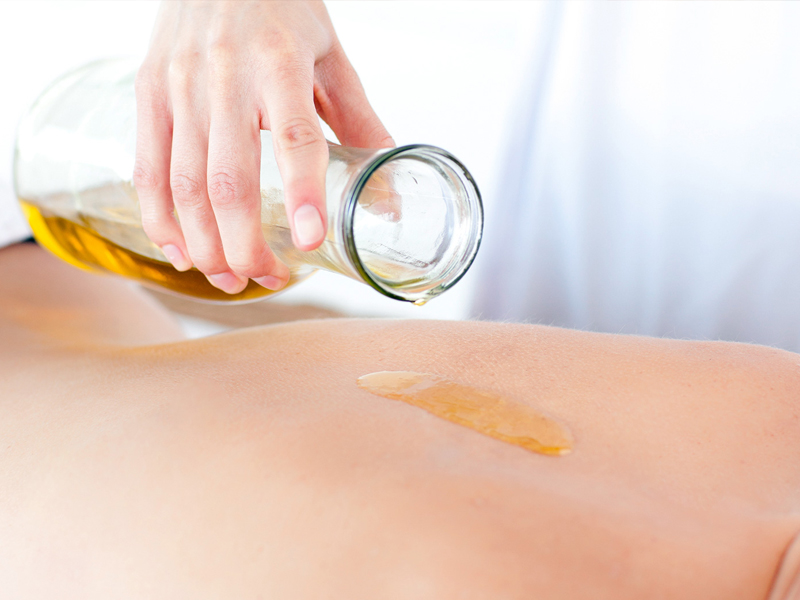
Don’t scrub freshly shaved skin. Exfoliate before shaving, not after, to avoid irritation and razor burn.
Hair Removal Cream
A mix of baking soda, olive oil and coffee grounds will not remove hair or slow hair growth. Skip this recipe.
Shaving, waxing, sugaring, depilatory creams and laser treatments are the options that actually work. Patch-test any hair removal product to avoid irritation.
Anti-Aging Olive Oil Facial Cream
If your skin shows wrinkles and other signs of aging, you may want a cream that hydrates and helps it look smoother.
That said, be wary of any cream that promises to reverse aging.
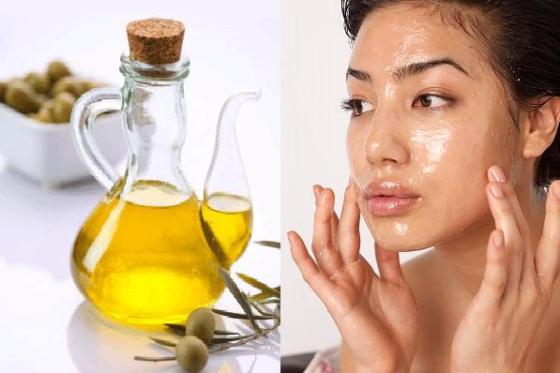
A homemade moisturizer can be made with 4 tablespoons of olive oil, 2 tablespoons of solidified coconut oil, 1/2 tablespoon of grated beeswax, a few drops of vitamin E oil and some wheat germ oil.
This rich cream may soften dry skin, especially at night. It won’t remove wrinkles, and it may clog pores on oily or acne-prone skin. Daily sunscreen does far more to prevent signs of aging.
Dark Circle Remedy
Some people crush mint leaves into olive oil and apply the paste under their eyes for ten minutes. A cool, moisturizing paste may briefly reduce puffiness, but it won’t remove dark circles.
Mint can sting the thin skin around the eyes, so keep it away from your eyes. Good sleep, allergy control and sun protection help more.
Stretch Mark Reduction
Stretch marks are completely normal and very common. No oil has been proven to remove them.
Some people mix 50 ml each of coconut oil, castor oil, olive oil and sesame (gingelly) oil with vitamin E oil and massage it in nightly. This may keep skin soft and less itchy, but don’t expect the marks to disappear.
Cuticle Oil
Massage your nails and cuticles with the healthiest olive oil. Regular massage helps keep cuticles soft and less likely to crack.
Treating Cracked Heels
Olive oil can help soften dry, cracked heels. Gently smooth rough skin with a pumice stone, apply olive oil and put on socks overnight, especially in the cold, dry season.
See a doctor if cracks are deep, painful or bleeding, and people with diabetes should have foot problems checked.
HP Thoughts: Are you familiar with flaxseeds? If not, then read our article about this product: Benefits of Flaxseeds.
Conclusion
Olive oil can stand in for a few products, such as a makeup remover, cuticle oil or a softener for rough heels. It is not a cure for acne, dark spots, dandruff or stretch marks.
Patch-test first, avoid lemon juice and baking soda on your face, and see a dermatologist for skin problems that don’t improve.
Sources
- Anti-Inflammatory and Skin Barrier Repair Effects of Topical Application of Some Plant Oils, International Journal of Molecular Sciences (PMC)
- Acne: Tips for managing, American Academy of Dermatology