Pregnancy Do's and Don'ts That May Surprise You
Contents
Overview
Pregnancy is the time when a baby develops inside a woman's uterus. A multiple pregnancy involves more than one baby, such as twins. Pregnancy usually follows sex, but it can also happen through assisted reproductive technology such as IVF.
Birth usually happens around 40 weeks after the first day of the last menstrual period (LMP), a little over nine months. Counted from conception, that is about 38 weeks.
The developing baby is called an embryo until about 10 weeks of pregnancy, and a fetus after that until birth. Early signs of pregnancy can include a missed period, tender breasts, nausea and vomiting, hunger and needing to pee more often. A pregnancy test can confirm it.
Now we discussed in detail what to do or not to do during pregnancy.
What to Do During Pregnancy
Resting Position
From 28 weeks, go to sleep on your side, either left or right. The NHS explains that falling asleep on your back after 28 weeks may double the risk of stillbirth, possibly because of reduced blood flow to the baby.
If you wake up on your back, don't worry. Just turn onto your side before going back to sleep.
Look after your mental health

Pregnancy can be a stressful time, and some women have depression or anxiety for the first time while pregnant. Don't dismiss low, anxious or unusual feelings as just part of pregnancy, especially if they last. Tell your midwife or doctor, who can arrange support.
Getting the vaccines you are offered
Pregnant ladies will be offered two immunizations:
The whooping cough (pertussis) vaccine helps your body make antibodies that pass to your baby through the placenta. This protects your baby until they can be vaccinated themselves.
In the UK, the NHS offers it from 16 weeks, usually around 20 weeks, and ideally before 32 weeks. In the U.S., the CDC recommends a Tdap vaccine during weeks 27 through 36 of every pregnancy.
You will also be offered the flu vaccine during flu season. Pregnant women are more likely to have complications such as pneumonia if they catch flu, and the vaccine lowers that risk. Ask your provider about other vaccines recommended in pregnancy, such as RSV.
Screen your infant’s developments
Your baby's movements are a sign that they are well. Most women start feeling movements between 16 and 24 weeks.
Get to know your baby's usual pattern. If movements slow down, stop or change, contact your midwife or maternity unit immediately, even at night. Don't wait until the next day.
Take folic acid and vitamin D
Folic acid greatly lowers your baby's risk of neural tube defects such as spina bifida. Ideally, start taking 400 micrograms a day three months before you try to conceive. If you did not, start as soon as you find out you are pregnant and continue until week 12 of your pregnancy, the end of the first trimester.
Vitamin D helps your baby develop healthy bones, teeth and muscles. It also helps regulate calcium and phosphate, which you need for your own bones and teeth. The NHS recommends 10 micrograms (400 IU) a day, at least in autumn and winter.
Taking a daily vitamin D supplement all year is even more important if you are at risk of low vitamin D:
- If you have dark or obscure skin, as darker skin makes less vitamin D from sunlight
- If you get little sunlight, for example because you stay indoors a lot or usually cover your skin when outside.
Convey your pregnancy notes
If you have paper pregnancy notes, carry them with you. They contain your medical and pregnancy history.
This matters most if you need to go to the maternity unit at short notice, because staff can see your history and what has happened in your pregnancy so far.
What Not to Do During Pregnancy
Don’t take drugs
Using illegal drugs during pregnancy, including cannabis, ecstasy, cocaine and heroin, can seriously affect your baby. If you use drugs, tell your midwife or doctor. They will not judge you and can get you the right care and support.
If you regularly use opioids such as heroin, don't stop or cut down suddenly without medical advice. Withdrawal needs to be managed safely for you and your baby.
Don’t diet in pregnancy
Cutting out whole food groups or dieting to lose weight can deprive your baby of nutrients they need to grow. Instead, aim for a healthy, balanced diet. Talk to your provider if you are concerned about your weight.
Don’t ‘eat for two’
You will probably feel hungrier than usual, but the NHS says there is no need to "eat for 2", even with twins or triplets. Your calorie needs rise only modestly, mainly later in pregnancy, so ask your provider how much is right for you.
Some other things which do not do during pregnancy:
- Don't eat foods made with unpasteurized milk, certain soft cheeses, high-mercury fish, or raw and undercooked meat, fish and eggs. Check a full list of foods to avoid with your provider.
- Avoid heavy lifting and activities with a risk of falling or bumping your belly.
- Avoid getting overheated, for example in very hot baths, hot tubs or saunas, which may make you faint.
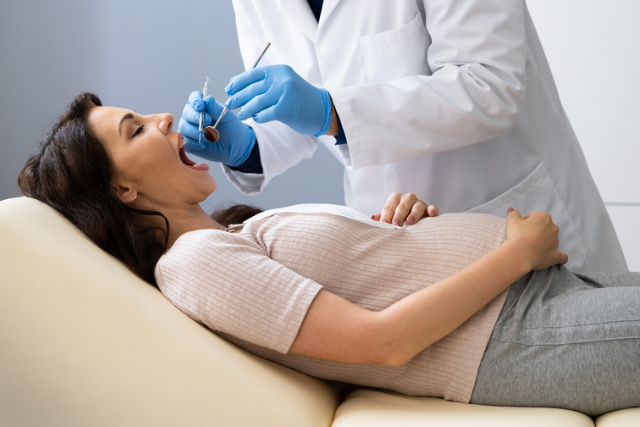
- Tell any doctor, dentist or radiographer that you are pregnant before you have an X-ray, so they can decide whether it is needed and protect your baby.