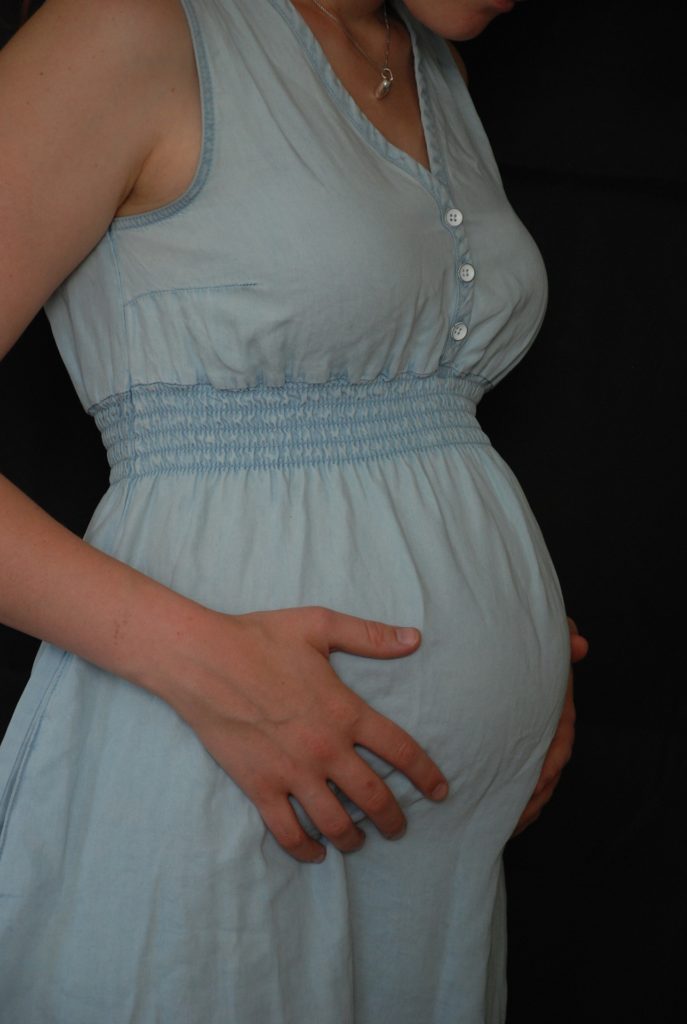
First trimester Pregnancy week 1 to 12

Contents
The first trimester Pregnancy starts on the first day of your last menstrual period and lasts about 12 to 13 weeks. Sources differ slightly: some count weeks 1 to 12, while Cleveland Clinic says it lasts until the end of week 13.
During these first three months, the egg is fertilized, attaches to the uterine wall, and begins to grow. It is a critical trimester because the baby's main body systems, such as the heart, lungs and brain, start forming.
Poor nutrition, alcohol, smoking, some medicines, drugs and certain infections can raise the risk of birth defects, such as congenital heart defects or neural tube defects like spina bifida. That is why pregnant women need good prenatal care, attention and emotional support during this phase.
Pregnancy Test during First Trimester
This is the trimester when pregnancy is first confirmed. Most women take a home urine pregnancy test after a missed period. A provider can then confirm the pregnancy with a blood test or an ultrasound.

Image Source
During this first trimester, your baby develops very quickly. Good nutrition matters, but you don't need to "eat for two" yet. According to MedlinePlus, you probably do not need extra calories in the first trimester. Focus on healthy food choices and a prenatal vitamin.
Some providers check for cardiac activity on an early ultrasound around weeks 5 to 8. The heartbeat can usually be heard with a Doppler at around 12 weeks. By the end of week 8, the embryo is called a fetus, and by the end of the first trimester the baby's organs have begun to form. This is why the first trimester is called the period of organogenesis.
When you confirm your pregnancy, book your first prenatal appointment. Eat a healthy diet with vegetables, fruit, whole grains, protein foods and dairy, and do light exercise if your provider says it's safe. Drink plenty of water, avoid alcohol and smoking, and try to manage stress.
If you have heavy bleeding, severe belly pain, fever or anything unusual, call your doctor right away.
Why Folic Acid Supplements Are Recommended?
Folic acid is called a pregnancy hero.
The CDC recommends that all women who could become pregnant get 400 micrograms (mcg) of folic acid every day. It helps prevent major birth defects of the baby's brain and spine, called neural tube defects, such as spina bifida and anencephaly.
These defects form in the first few weeks of pregnancy, often before a woman knows she is pregnant. That is why the CDC advises starting folic acid at least one month before conception and continuing it in early pregnancy. A prenatal vitamin or fortified cereal can help you get enough. Ask your provider whether you need a higher dose.
Symptom's of the first trimester Pregnancy
A lot of things happen during the first trimester. After fertilization, your body makes the hormone human chorionic gonadotropin (hCG), along with progesterone, estrogen and other pregnancy hormones. These hormones cause many physical changes. Some common signs and symptoms of the first trimester include:
Nausea, often called morning sickness, is very common and can happen at any time of day, with or without vomiting. Strong smells, spicy foods or travel may make it worse. Call your provider if you can't keep food or fluids down.
Motion Sickness
Some women feel more queasy when traveling. Fatigue is also very common: the hormone progesterone can leave you feeling sleepy and tired, and hormone changes can make your moods swing.
Breast Tenderness
Breasts begin to swell and feel tender. Pregnancy hormones such as progesterone, estrogen and prolactin can leave the breasts sore. The areola begins to expand and darken, and the nipples become larger and darker. The breasts grow during pregnancy as they prepare to make milk for the baby.
Uterus Expansion
The uterus begins to expand to make the roomy space for the baby.
Abdominal distension
Bloating is one of the early 3 Week Pregnant Symptoms. A visible baby bump usually doesn't appear until after the first trimester, which is when many women share their news. You may also feel mild cramps; call your provider if cramping is severe or comes with bleeding.
Sources
- First Trimester of Pregnancy: Weeks & What To Expect, Cleveland Clinic
- About Folic Acid, Centers for Disease Control and Prevention
- Pregnancy and Nutrition, MedlinePlus