Pregnancy symptoms week 9, come and go
Contents
Pregnancy symptoms week 9 can feel especially strong, and many people start thinking about when to share their news with family. It is a time of big changes, both exciting and tiring.
After a fertilized egg implants in the lining of the uterus, the developing placenta starts making the hormone hCG. Pregnancy tests detect hCG, and it drives many of the physical changes of early pregnancy.

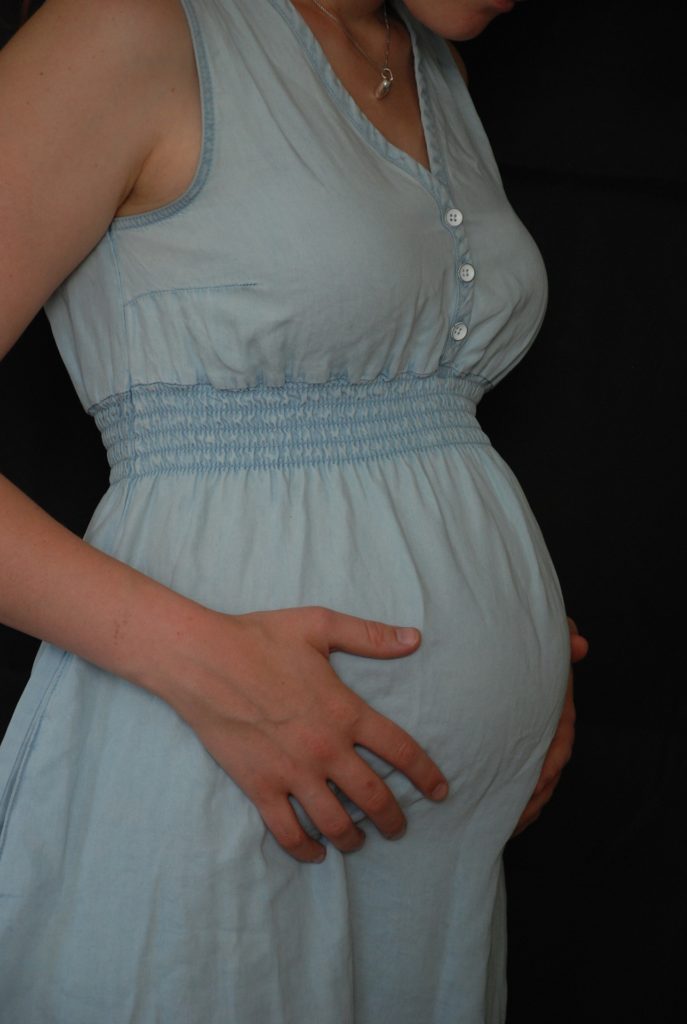
A pregnant baby of 9 weeks in mother’s womb
Some women notice symptoms early and some later, and their strength varies. Progesterone and estrogen also rise, adding to the changes. At week 9 you are nearing the end of your first trimester Pregnancy journey, and many people start to feel better in the second trimester.
PREGNANCY SYMPTOMS WEEK 9
The NHS week 9 pregnancy guide explains that hCG peaks around week 9. That is why some symptoms can feel strongest now. Following pregnancy symptoms week 9 you may experience.
1- Morning Sickness
Most pregnant women have at least some nausea, one of the classic early pregnancy symptoms, and about one third also vomit. Despite its name, it can happen at any time of day.
It often feels worst around this stage and usually eases by weeks 14 to 16. Small, frequent meals and snacks can help, and ginger products may ease nausea. Talk to your doctor before taking any medicine, and call if you cannot keep fluids down.
2- Headaches
Headaches are common in early pregnancy. Hormones, poor sleep, stress, dehydration and cutting back on caffeine can all play a part.
Drink plenty of fluids, rest and try to manage stress. Don't take aspirin or ibuprofen unless your doctor advises it, and check with your health care provider before using any medication. Seek care urgently for a severe headache.
3- Breast Changes
Hormones again. Your breasts may be swollen, tender and larger under the influence of pregnancy hormones such as progesterone, estrogen, prolactin and hCG. The areola (the darker area around the nipple) often darkens, and the nipples become more prominent.
4- More Urge To Pee (Frequent Urination)
Needing to pee more often is common. Increased blood flow to the pelvis and kidneys means more urine, and the growing uterus starts to press on the bladder.
Keep drinking fluids. Call your doctor if urinating burns or hurts, as urinary tract infections are more common in pregnancy.
5- Heartburn
Heartburn can also start in week 9. Progesterone relaxes the valve at the top of the stomach and slows digestion, which can cause indigestion and bloating.
6- Fatigue
You may feel very tired and sleepy during the day. Progesterone plays a role, and your body is also working hard to support the pregnancy. Rest when you can and accept offers of help.
7- Food Cravings
Hormone changes can affect your senses of smell and taste, so new food likes and dislikes are common. If you crave things that are not food, such as clay or dirt, tell your doctor. This is called pica and can be linked to low iron.
HP Thoughts: We end our pregnancy series here and focus on one surgical procedure that might affect first-time mothers. Read our post to learn more: Marsupialization.
Sources
- 9 weeks pregnant guide, NHS
- 5 weeks pregnant guide, NHS
- Morning sickness, MedlinePlus
- Body changes and discomforts, Office on Women's Health