Is Early Pregnancy Spotting Safe at 4 Weeks?
Contents
Photo by Wutthichai Charoenburi, CC BY 2.0, via Wikimedia Commons
Early pregnancy spotting is common. MedlinePlus notes that up to 1 in 4 women have vaginal bleeding at some point in pregnancy, and it is more common in the first 3 months.
Light spotting around the time of implantation is often harmless. Still, any bleeding in pregnancy should be reported to your health care provider, because it can also be an early sign of miscarriage or ectopic pregnancy. So what exactly is early pregnancy spotting?
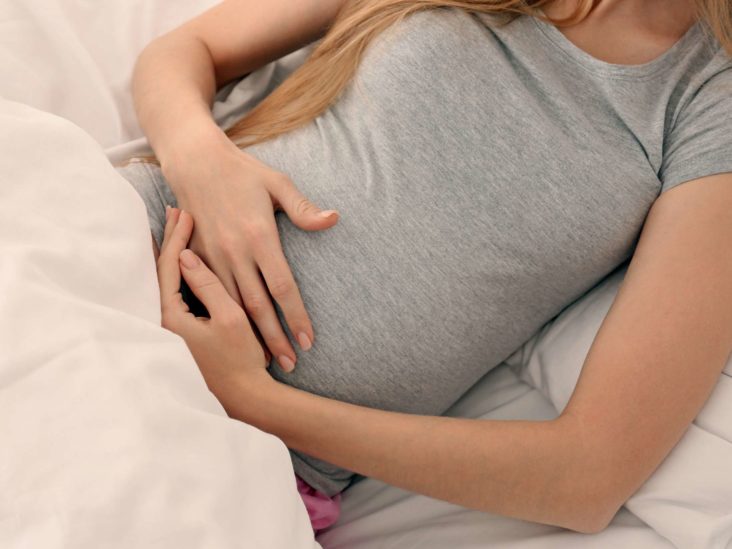
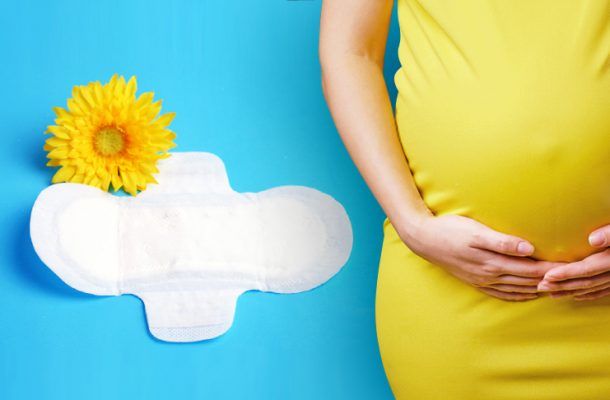
Early pregnancy spotting is light bleeding from the vagina in early pregnancy. It is usually lighter than a menstrual period, often just a few drops, and the color can range from pink to red to brown.
Difference between spotting & periods
How can you tell spotting apart from a period? Here are the main differences:
- Amount: spotting is very light, often a few drops that don't fill a pad or tampon. A period is heavier and usually gets heavier over the first day or two.
- Color: spotting is often light pink or brown, while period blood is usually brighter or darker red.
- Timing: spotting can happen between periods, in early pregnancy, or after sex or a pelvic exam. A period follows a regular cycle and lasts several days.
Causes of Early Pregnancy Spotting
1- Implantation Bleeding
Implantation bleeding can happen when the fertilized egg attaches to the lining of the uterus, about 10 to 14 days after conception. That is around the time a period would be due, roughly 4 weeks into pregnancy as doctors count it.
It is usually light and brief. Because of the timing, some women mistake it for a light period.
2- Sexual intercourse
During pregnancy, the cervix has extra blood flow and can bleed more easily. Sex can cause a small amount of spotting from the cervix.
3- Infection
An infection of the cervix or vagina can cause spotting. Your provider can test for this.
4- Pelvic exam or vaginal ultrasound
A pelvic exam, Pap test or transvaginal ultrasound can sometimes cause light spotting afterward, especially if there is a cervical polyp.
5- Exercise and lifting
Normal exercise and everyday lifting are not known to cause spotting in a healthy pregnancy. Ask your provider which activities are safe for you.
6- Cervical Polyp
Early pregnancy spotting may come from a cervical polyp, a usually harmless growth on the cervix. Higher estrogen levels and extra blood flow in pregnancy can make a polyp bleed more easily.
Some less common causes of bleeding in early pregnancy are serious. An ectopic pregnancy can be life-threatening. These causes include:
- Miscarriage
- Ectopic pregnancy
- Pregnancy loss (intrauterine fetal demise)
- Molar pregnancy
Symptoms of Early Pregnancy Spotting
Spotting often comes with no other symptoms. Some women also notice changes in Mild vaginal discharge.
These symptoms can be signs of significant blood loss or a serious problem:
- Increased fatigue
- Excessive thirst
- Dizziness
- Fainting
- A rapid pulse rate that increases when you stand up
- Cramping or pain in the belly, pelvis or shoulder
Call your health care provider about any bleeding in pregnancy, even if it is light. Seek emergency care right away for heavy bleeding, severe pain, dizziness or fainting, since these can be signs of miscarriage or ectopic pregnancy. Your provider may check your hormone levels or do an ultrasound to find the cause.
Sources
- Vaginal bleeding in pregnancy, MedlinePlus
- Vaginal bleeding in pregnancy, NHS