Second Trimester of Pregnancy: Your Honeymoon Period

Contents
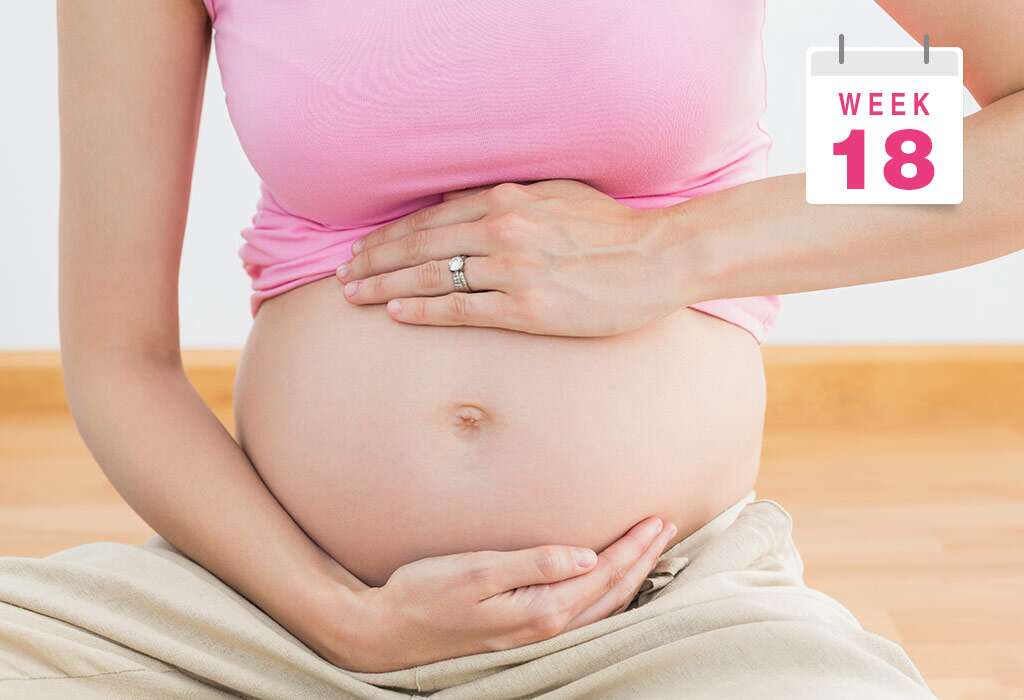
The second trimester of pregnancy covers roughly weeks 13 or 14 through week 27, the fourth, fifth, and sixth months of pregnancy. Sources count the exact weeks slightly differently. This is when many women start to look and feel more pregnant as the bump appears, and many have more energy than in the first trimester.
Some symptoms of the first trimester, such as nausea, often ease, while others, such as backache, may start or get worse.
During this time, your baby keeps developing quickly. Most people first feel the baby move between about 17 and 20 weeks. During the second trimester, most women are offered an anatomy ultrasound at around 20 weeks to check how the baby's body is developing.
Your hemoglobin is also checked. Anemia is common in pregnancy and is treated if found.
What kind of diet is beneficial for pregnant women during the second trimester? You need a balanced diet with enough protein, iron, calcium, and folate. Eat vegetables, fruits, whole grains, milk or other calcium sources, and well-cooked meat, fish, eggs, or beans.
Limit caffeine to no more than 200 mg a day, which includes tea and coffee. Drink plenty of water, and eat more fiber, such as leafy greens, salad, fruits, and whole grains, to help prevent constipation. Ask your provider about a prenatal vitamin.
5 Common Symptoms in the Second Trimester
During the second trimester, your body keeps adjusting to hormonal and physical changes. Common symptoms include a growing uterus, backache, headaches, constipation, dizziness, nasal congestion, and gum problems. Details of some important symptoms are given below.
1- Backache in Pregnancy

The weight you gain as your baby grows puts extra pressure on your back and can make it sore. Hormones that loosen your joints add to this. To ease the pressure, sit up straight and use a chair with good back support.
Wear low-heeled, comfortable shoes. When you sleep, try lying on your side with a pillow between your knees and another behind your back.
Avoid lifting heavy objects. If the pain is severe or doesn't improve, talk to your doctor or midwife.
2- Discharge
A thin, milky, white, mild-smelling discharge (leukorrhea) is normal in pregnancy. If it is heavy and watery, green or yellow, foul-smelling, or bloody, call your doctor right away.
You can wear a panty liner for normal discharge. Don't use tampons during pregnancy.
3- Breast Enlargement
Bigger breasts are a sign that your body is preparing to breastfeed. Hormones such as estrogen, progesterone, and prolactin can make the breasts swollen, tender, and sore. The areola darkens and the nipples may get bigger.
4- Headache In Pregnancy

Headaches in pregnancy can be linked to hormone changes, stress, tiredness, dehydration, or cutting back on caffeine. Rest, drink fluids, eat regular meals, and try to stay calm.
Never take any medicine, including aspirin or ibuprofen, without asking your doctor or midwife first.
After 20 weeks, a severe or persistent headache, especially with vision changes or sudden swelling of the face or hands, can be a sign of preeclampsia. Call your provider right away if this happens.
5- Bleeding Gums in Pregnancy

Many pregnant women notice swollen, tender gums that bleed easily during the second trimester. Hormonal changes and increased blood flow make the gums more sensitive. These changes usually go back to normal after delivery.
For now, use a soft toothbrush and brush gently, but never skip brushing, flossing, or dental checkups. Some studies have linked gum disease in pregnancy with preterm birth and having a low birth weight baby, though it is not proven to cause them.
Sources
- Fetal Development: Week-by-Week Stages of Pregnancy, Cleveland Clinic
- Foods to avoid in pregnancy, NHS
- Preeclampsia, MedlinePlus