What Is Marsupialization?

Contents
Photo by Shixart1985, CC BY 2.0, via Wikimedia Commons
Marsupialization surgery is most often used to treat Bartholin's cysts, which form near the vaginal opening. The Bartholin glands sit on each side of the vaginal opening and release fluid that helps with lubrication during sex.
Marsupialization
Marsupialization is a technique in which the surgeon cuts a slit into a cyst, drains it, and stitches the edges of the cyst wall to the surrounding skin. This creates a small, permanent pouch-like opening.
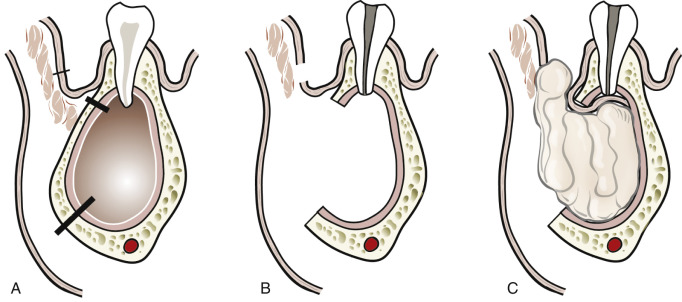
Because the site stays open, fluid can drain freely instead of building up again. Doctors use this method when simple drainage is likely to fail and removing the whole gland or cyst isn't needed.
Marsupialization is also used for some other cysts, such as Skene duct cysts, which develop near the opening of the urethra.
Normally, you would hardly notice the Bartholin glands. But if a gland's small duct gets blocked, fluid builds up and forms a cyst. A small cyst may be painless.
If the cyst grows or becomes infected, it can turn into a painful abscess. That's when treatment is needed.
How Is Marsupialization Done?
Marsupialization should be done by a qualified doctor, such as a gynecologist. Arrange for someone to drive you home and help with tasks for a day or two afterward.
According to MedlinePlus, it can be done in a clinic, usually with a local anesthetic to numb the area. Sometimes it is done in a hospital under general anesthesia, which puts you to sleep.
It usually doesn't require an overnight stay. If you will have general anesthesia, your doctor will tell you to stop eating and drinking beforehand.
- First, the cyst and the surrounding area are cleaned.
- The doctor makes a cut in the cyst with a scalpel and drains the fluid.
- The edges of the cyst are stitched to the skin, leaving a small, permanent opening so fluid can drain freely.
- Gauze may be placed to help stop bleeding.
- In some cases, a small catheter is left in place for a few days to help drainage.
The procedure itself usually takes about 10 to 15 minutes. You may spend a couple of hours in the recovery room before going home.
Recovery Of Marsupialization
Expect some pain for a few days. Your doctor may suggest over-the-counter pain relievers or prescribe something stronger.
You may have light bleeding or discharge for a few weeks. Use pads rather than tampons until your doctor says it's okay.
Follow your doctor's instructions for cleaning and caring for the area. This may include one or two sitz baths a day for a few days.
Wear loose, comfortable clothes.
Avoid sexual activity for about four weeks, or as long as your doctor advises.
Don't use harsh soaps or scented bath products.
When To Get Worried?
Complications are uncommon, but they can include:
- infection
- recurring abscesses
- bleeding
- unresolved pain
- scarring
Contact your doctor if you:
- develop a fever
- are bleeding more than expected
- show signs of infection
- have unusual vaginal discharge
- have pain that's getting worse
Other Treatments:
Surgery isn't always needed. Early or small cysts can often be treated in other ways. For example:
-
Warm soak
Soak the area in warm water several times a day for a few days. You can do this in a sitz bath or bathtub. Warm soaks can ease discomfort and help a small abscess drain, though it may come back.
-
Surgical Drainage
Under local anesthesia, your doctor can make a small cut and insert a small tube called a Word catheter. It stays in place for 4 to 6 weeks to let fluid drain. You then return to the doctor's office to have it removed.
-
Antibiotics
Your doctor may prescribe antibiotics if there are signs of infection.
See your doctor if a painful lump doesn't improve after 2 to 3 days of home care, if pain interferes with daily life, or if you have a fever over 100.4°F (38°C).
HP Thoughts: We are embarking on a series of articles about pregnancy. Are you ready? Let’s begin with our first post: How to Get Pregnant.
Conclusion:
Marsupialization surgery is most often used to treat Bartholin's cysts, which form near the vaginal opening. Small cysts may be painless, but larger or infected ones can hurt and need treatment.
Many cysts can be managed with warm soaks or simple drainage. Marsupialization is a good option when cysts keep coming back.
Sources
- Bartholin cyst or abscess, MedlinePlus
- Bartholin's cyst, NHS