Pus from Ear – Facts, Causes and Home Remedies

Contents
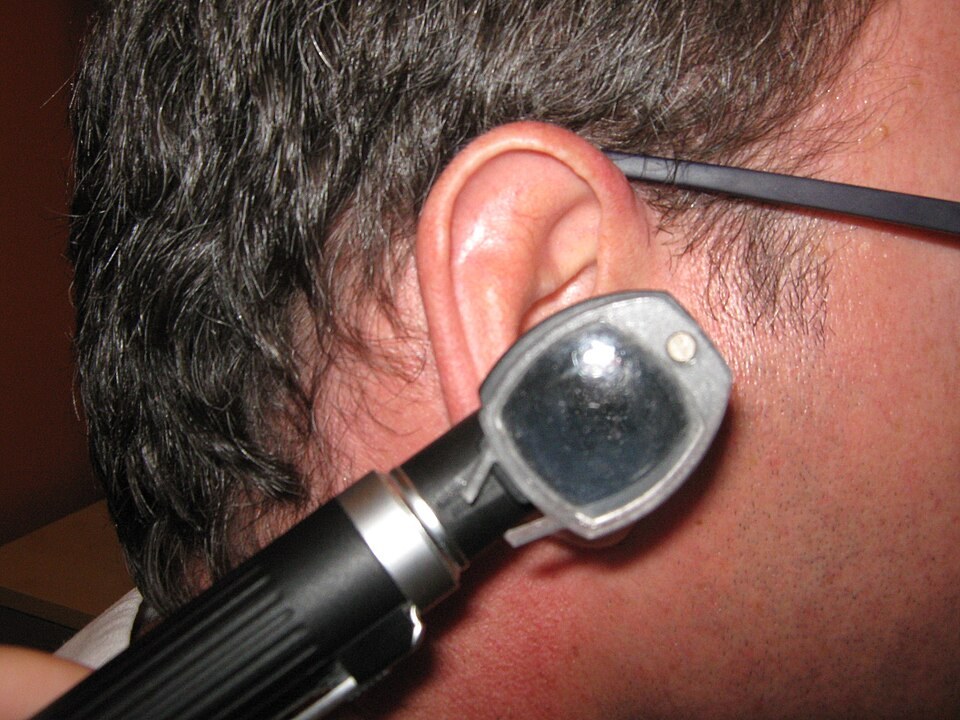
Photo by Sgt. John Carkeet IV, Public domain, via Wikimedia Commons
Pus from ear is usually a sign of infection, often bacterial. If you notice pus or other drainage coming from your ear, see your doctor so the cause can be found and treated.
Ear pain and infections are common and can be very uncomfortable. Sometimes pain is the only symptom, but an ear infection or another condition can also cause pus or other drainage.
Pus is a thick white, yellow, green or brownish fluid that collects at the site of an infection. It is made of white blood cells, dead tissue and germs left over from the immune system's fight against the infection.
When pus collects in or just under the skin, it forms a pustule or pimple. A pocket of pus inside tissue is called an abscess. The following are some of the possible causes of drainage or pus from ear.
Fast facts about pus
Following are some facts about pus from ear:
- Pus is a natural result of the body fighting infection.
- The pus may be yellow, green, or brown and in some cases may cause bad odor.
- If pus appears after surgery, contact a doctor immediately.
- Pus draining from the ear should be checked by a doctor, because it often means the eardrum has a hole in it.
- Larger or hard-to-reach collections of pus may need to be drained by a doctor.
Causes of pus from ear
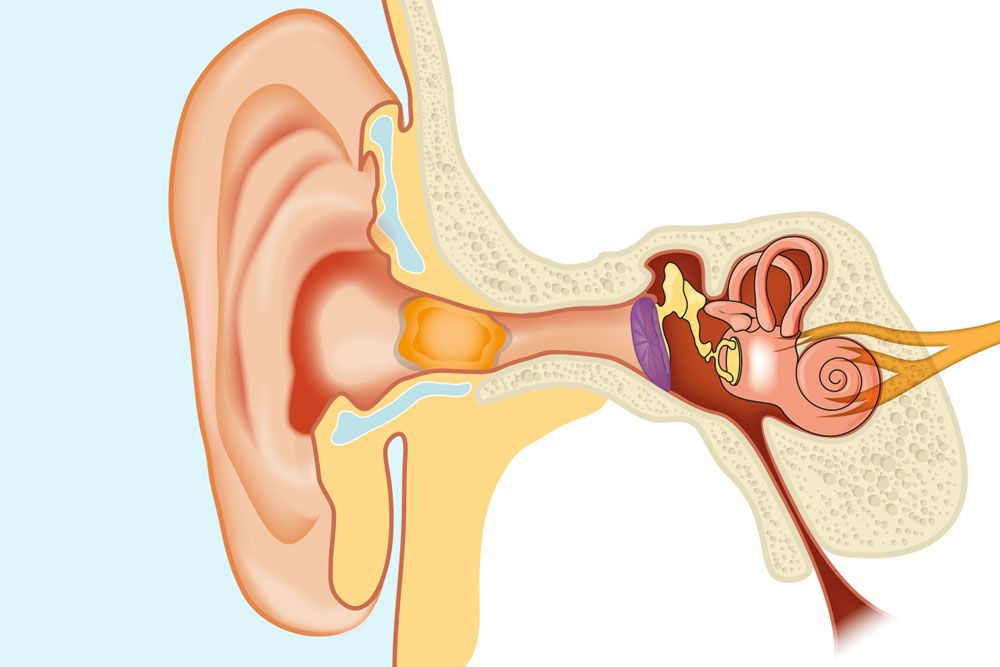
A middle ear infection is caused by bacteria or viruses. It often follows a cold, flu or allergies, which cause congestion and swelling of the nasal passages, throat and Eustachian tubes.
-
Ear infection

Middle ear infections, also called acute otitis media, are common, especially in children. They are caused by a bacterial or viral infection of the middle part of the ear. Common symptoms of an ear infection include:
-
Pain
-
Pus or drainage
-
Hearing difficulty
-
Loss of balance
-
Fever
If pressure from the infection builds up, the eardrum can burst. MedlinePlus notes that sudden drainage of yellow or green fluid from the ear may mean the eardrum has ruptured. A perforated eardrum usually heals on its own within a couple of months.
Many ear infections clear up on their own within a few days, but some need antibiotics. If infections keep coming back, your doctor may recommend a tympanostomy tube (ear tube).
Infections of the outer ear canal (otitis externa, or swimmer's ear) can also cause discharge, along with itching and pain when the ear is touched.
-
Foreign object
Anything stuck in the ear can cause pain, drainage, infection and damage. This is especially a problem for young children. Common objects found in the ear canal include:
-
- Small toy pieces
- Beads
- Food
- Bugs
- Cotton lint
Don't try to dig an object out yourself, even if you can see it. Pushing it deeper can damage the ear canal or eardrum. See a doctor, and seek urgent care for a live insect, a button battery or severe pain.
-
Skin cyst
A cholesteatoma is an abnormal, noncancerous growth of skin cells in the middle ear, behind the eardrum. It often develops after long-term or repeated ear infections and can grow over time.
As it grows, a cholesteatoma can destroy the small bones of the middle ear, leading to hearing loss, dizziness and, rarely, weakness of the facial muscles. It usually needs surgery. Other symptoms you may experience include:
- Aches or pains
- Foul drainage from the ear
- Ear pressure
Home Remedies for Ear Infections
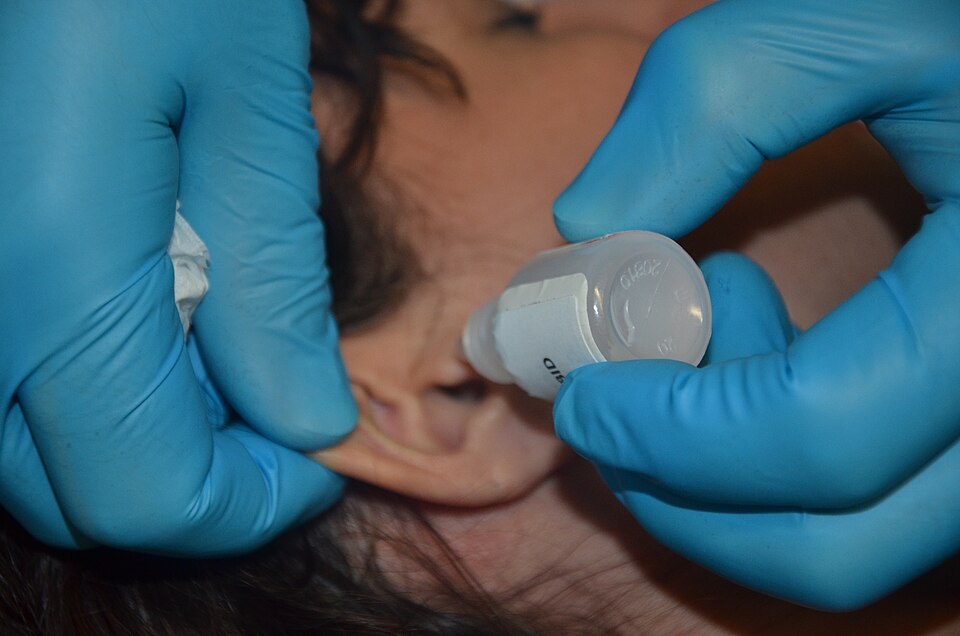
Many websites suggest putting oils, garlic, onion juice, vinegar, hydrogen peroxide, rubbing alcohol or tea tree oil into the ear. If pus is coming out of your ear, don't do this. Drainage often means there is a hole in the eardrum, and liquids put in the ear can reach the middle ear and cause pain, irritation or damage.
The NHS advises that with a perforated eardrum you should not put anything inside your ear, such as cotton buds or eardrops, unless a doctor recommends them. None of these home remedies has been shown to cure an ear infection.
These safer steps can ease symptoms while you wait to see a doctor or while an infection clears:
Pain Relief
Over-the-counter pain relievers such as acetaminophen (paracetamol) or ibuprofen can ease pain and fever. Follow the label dose for age and weight. Children and teenagers should not take aspirin.
Warm Compress
A warm (not hot) cloth or warm water bottle held against the outside of the ear may ease pain.
Gently Clean the Outer Ear
Wipe away discharge from the outer ear with clean cotton wool. Don't push anything into the ear canal.
Keep the Ear Dry
Don't go swimming, and keep water and shampoo out of the ear until it has healed. A cotton ball coated in petroleum jelly placed in the outer ear can help while you wash your hair.
Don't Blow Your Nose Hard
Blowing hard can push pressure into the middle ear and slow healing of the eardrum.
When to See a Doctor
See a doctor if you have pus or blood draining from the ear, earache that does not improve after 3 days, hearing loss, or repeated infections. Babies under 12 months with ear symptoms should be seen promptly.
Get urgent care for high fever, severe pain, swelling or redness behind the ear, a stiff neck, confusion or weakness of the face.
HP Thoughts: Understand how fluid discharges from the ear occur and learn their remedies: Fluid Draining From Ear.
Sources
- Perforated eardrum, NHS
- Ear infections, NHS
- Ear infection - acute, MedlinePlus
- Cholesteatoma, MedlinePlus