How to get rid of acne scars, home tips

Contents
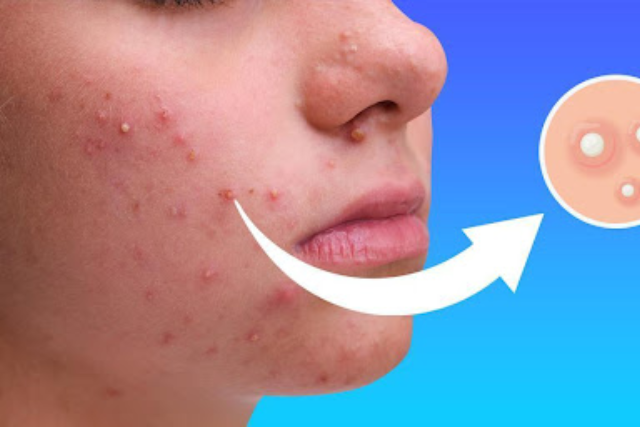
Acne can leave frustrating scars behind, so many people ask how to remove acne scars. The good news is that acne scars can be treated, although they rarely go away completely on their own.
Many medicines, both topical and oral, can clear active acne, but acne can still leave scars. There are many causes of acne, and hormonal changes in teenagers are among the most common.
How are these scars formed? Scars form when breakouts go deep into the skin and damage the tissue underneath. Picking, popping, or squeezing breakouts adds inflammation and raises the risk of scarring.
There are several types of scars, so it helps to know which type you have. Each type responds differently to treatment.
How To Get Rid Of Acne Scars? Natural Healthy Toners
The most effective treatments for true acne scars are done by a dermatologist. According to the American Academy of Dermatology, options include laser resurfacing, chemical peels, microneedling, fillers, and scar surgery.
For mild scarring, a topical retinoid or salicylic acid can make scars less noticeable. Treat active acne first, because new breakouts can cause new scars.
The natural remedies below are popular, but there is little scientific evidence that they fade scars. Some can irritate or burn the skin. Do a patch test first, stop if your skin stings or reddens, and do not expect them to remove deep scars.
1- Potatoes Juice
Some people dab raw potato juice on dark marks. There is no good evidence that it fades acne scars.
If you want to try it, grate a potato, strain the juice through a clean cloth, apply it for up to 30 minutes, and rinse. Stop if it irritates your skin.
2- Aloe Vera gel
Aloe vera can soothe skin and may help irritated skin feel calmer. It has not been shown to remove acne scars.
You can apply fresh aloe vera gel to clean skin and rinse it off after 10 to 30 minutes. If you mix in a few drops of tea tree oil for acne, dilute it well, because tea tree oil can irritate sensitive skin.
3- Lemon Juice
Lemon juice is often suggested as a natural skin lightener, but it is very acidic and can irritate the skin. On skin exposed to sunlight, citrus juice can also cause burns and dark patches.
Dermatologists generally advise against putting lemon juice on your face. A dermatologist-recommended product for dark spots is a safer choice.
4- Turmeric powder
Turmeric has been used in traditional remedies for a long time. Curcumin, its active ingredient, has anti-inflammatory properties in lab studies, but there is little evidence that turmeric masks fade acne scars.
If you try a turmeric and honey mask, rinse it off after about 15 minutes. Turmeric can stain the skin and cause irritation, and mixing it with lemon juice adds to that risk.
5- Apple Cider Vinegar
Apple cider vinegar is acidic and is sometimes used as a toner. There is no good evidence that it fades acne scars or boosts collagen.
Undiluted vinegar can burn the skin. If you use it, dilute it well, do a patch test, and stop if your skin stings.
When to see a dermatologist
See a board-certified dermatologist if your scars bother you, if they are deep or raised, or if you still have active acne. A dermatologist can match the treatment to your scar type and skin tone.
Sources
- Acne scars: Overview, American Academy of Dermatology
- Acne scars: Consultation and treatment, American Academy of Dermatology