Bloodshot Eyes: 4 Causes, Signs, Diagnosis and Treatment
Contents
- OVERVIEW:
- Causes of Bloodshot Eye
- Eye Infections:
- Dry Eyes:
- Irritants:
- Miscellaneous:
- Signs and Symptoms
- How to Diagnosis?
- Treatment of Bloodshot Eyes
- Naphazoline:
- Eye lubricant drops:
- Tetrahydrozoline:
- Maintaining eye hygiene:
- Warm compresses:
- Patch application:
- Complications of Bloodshot Eyes
- How to Prevent Bloodshot Eyes?
- WHEN TO SEEK MEDICAL HELP?
- Sources
OVERVIEW:
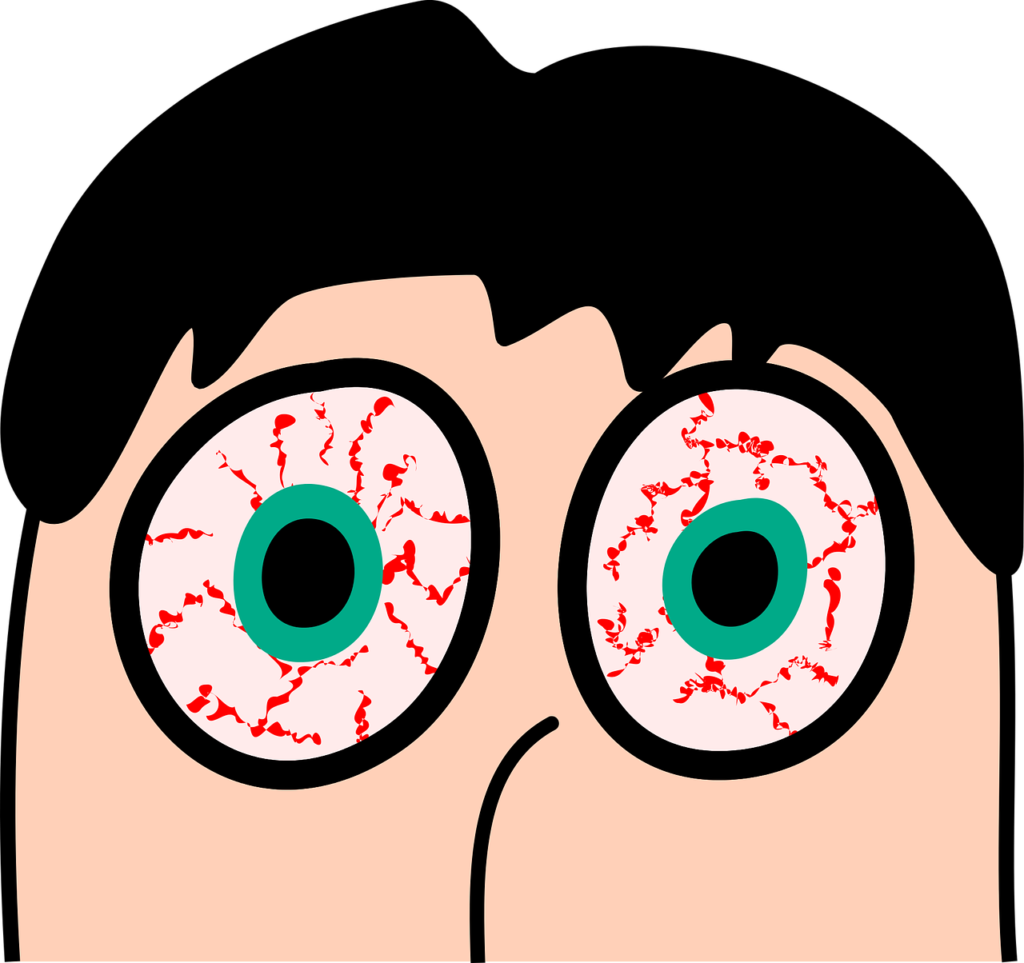
Bloodshot eyes happen when the tiny blood vessels on the surface of the eye become irritated and swell or widen. This makes the white of the eye look red.
It is also called red eye. Most causes, such as dryness, tiredness or allergies, are minor. Some causes, though, are serious and need medical help as soon as possible.
Warning signs include blurred vision, eye pain, abnormal discharge and sensitivity to light. If you have any of these, see your health care provider.
Causes of Bloodshot Eye
There are several common causes of red eyes, listed below.
Eye Infections:

Eye infections and inflammation are common causes of red eyes. They can cause eye pain, discharge and vision problems. Inflammation of the eyelid edges is called blepharitis. Inflammation of the conjunctiva, the membrane covering the white of the eye, is conjunctivitis (pink eye). An open sore on the cornea is a corneal ulcer, and inflammation inside the eye is uveitis.
Dry Eyes:
When the eyes are dry, the surface gets irritated and the blood vessels widen. Common causes of dry eyes include aging, long screen time, wearing contact lenses for long periods, too little sleep, dry or windy weather, some medicines, and conditions such as diabetes and rheumatoid arthritis.
Irritants:
- Dust
- allergic reactions
- cold exposure
- exposure to the sun directly
- viral infections like measles
- bacterial infections
- Coughing
- Rubbing the eyes excessively
- swimming in chlorine added water
- any object went inside the eye like sand or eyelash
Miscellaneous:
There are a variety of other causes of Red Eye which include
- Trauma
- acute glaucoma, a sudden rise in eye pressure that is a medical emergency
- corneal scratches
- scleritis
- rheumatoid arthritis
- bleeding disorders
Signs and Symptoms
Signs and symptoms of bloodshot eyes depend upon the underlying condition causing it. Usually, the eye becomes red. It may cause:
- blurring of vision
- itching of eyes
- deep eye pain
- eye discharge
- watery eyes
- swelling of the eyelids
How to Diagnosis?
Your doctor will ask some simple questions about your symptoms, such as:
- When the redness or pain started.
- What may have caused the irritation.
- Any exposure to allergens.
- Any related conditions, such as rheumatoid arthritis.
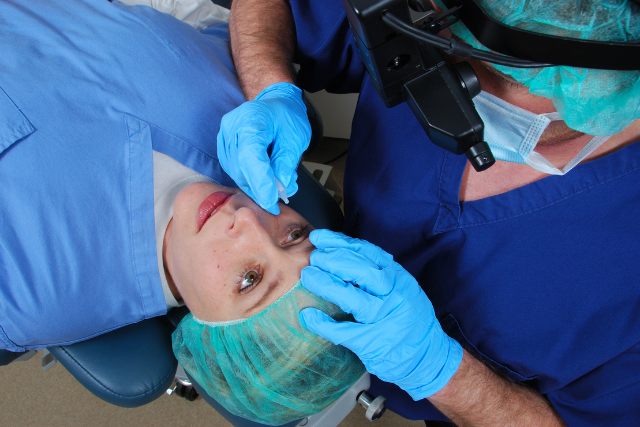
Your doctor will examine your eyes, often with a special light and microscope (slit lamp), and may check your vision and eye pressure. There is no single test for bloodshot eyes, so tests depend on the suspected cause.
Then, depending on the cause, your doctor may prescribe treatment and preventive steps to follow.
Treatment of Bloodshot Eyes
Treatment depends on the cause. Mild redness from dryness or irritation often improves with home care or lubricating eye drops. Redness caused by an infection or other eye disease may not go away until that condition is treated, sometimes with prescription medicine.
Naphazoline:
Naphazoline is an over-the-counter decongestant eye drop that shrinks blood vessels to relieve redness from allergies and minor irritation. Overuse can cause rebound redness, so use it only for a few days and follow the label.
Eye lubricant drops:
Lubricating eye drops, or artificial tears, act like natural tears. They soothe dry, irritated eyes and are safe for most people to use often.
Tetrahydrozoline:
This is another over-the-counter decongestant eye drop for short-term relief of redness. Like naphazoline, it can cause rebound redness with frequent use.
Maintaining eye hygiene:
Wash your hands often and avoid touching or rubbing your eyes. Skip eye makeup and contact lenses until your eyes are back to normal.
Warm compresses:
Warm compresses can soothe blepharitis or a stye and help loosen crusts on the eyelids. For severe eye pain, see a clinician right away instead of treating it at home.
Patch application:
If your eye condition is severe, your doctor may ask you to wear an eye patch to rest the eye and block light while it heals.
Depending upon your medical condition and underlying cause, your doctor will prescribe the right treatment for your symptoms. If the cause is a bacterial infection, he may prescribe antibacterial agents, such as antibiotic eye drops.
Complications of Bloodshot Eyes
Most red eyes are not serious and clear up without complications. But if you have an infection with a lot of discharge, pain or vision changes, seek medical help.
Untreated serious causes of red eye can lead to complications such as:
- vision changes
- blepharitis
- blurring of vision
- corneal ulceration
- permanent damage to vision
- deep Eye Pain
How to Prevent Bloodshot Eyes?
- Wash your hands often, and avoid touching your eyes, especially around someone with an eye infection.
- Follow your contact lens care routine, don't overwear lenses, and avoid sleeping in them.
- Remove eye makeup every night.
- Take breaks from screens and other activities that strain your eyes.
- Avoid substances that irritate your eyes.
- Flush your eyes with plenty of clean water if they become contaminated with irritants.
WHEN TO SEEK MEDICAL HELP?
Most red eyes don't need emergency care. According to MedlinePlus, contact your provider if your eyes stay red for longer than 1 to 2 days, or if you have eye pain, vision changes, strong light sensitivity, or yellow or green discharge. Also call your provider if you take a blood thinner such as warfarin.
Go to the emergency room if your eye is red after an injury, or if red eye comes with headache and blurred vision, halos around lights, or nausea and vomiting. These can be signs of acute glaucoma.
Sources
- Eye redness, MedlinePlus
- Eyelid bump, MedlinePlus