Encephalitis Causes, Symptoms, Treatment & Prevention
Contents
- Types of Encephalitis
- Primary Encephalitis
- Secondary Encephalitis
- What Causes Encephalitis?
- Herpes Simplex Virus
- Enteroviruses
- Rabies virus
- Signs and Symptoms of Encephalitis
- Risk Factors
- Treatment
- What Complications May Occur With The Encephalitis?
- How It Can Be Prevented?
- Keep practicing good hygiene.
- Don’t share utensils.
- Teach good habits.
- Get vaccinations.
- Avoid mosquito and tick bites.
- Sources
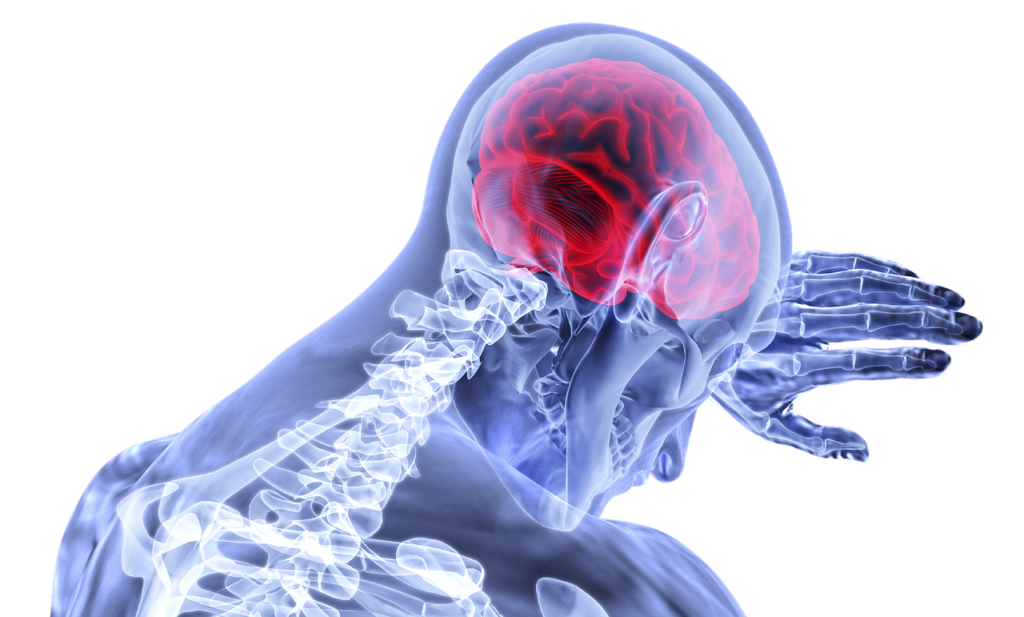
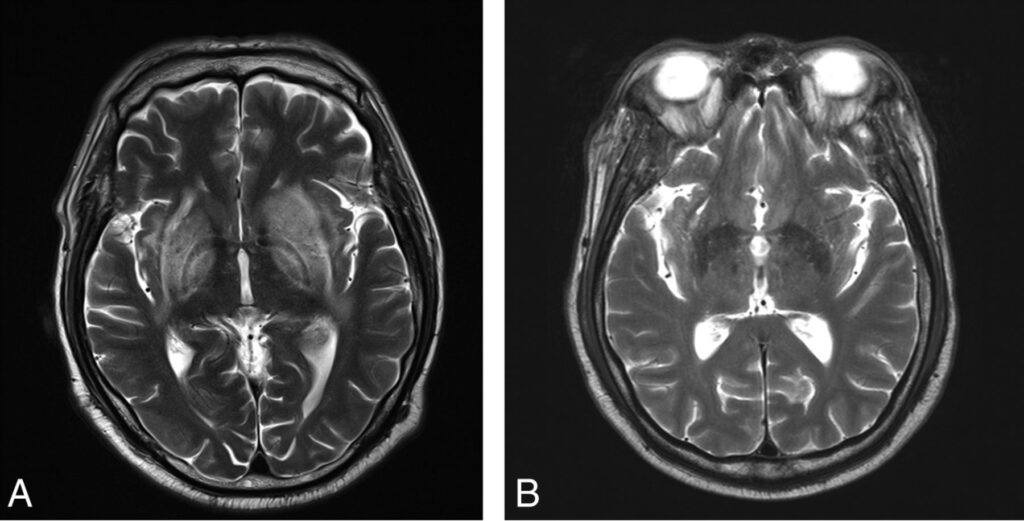
Encephalitis is inflammation of the brain, most often caused by a viral infection. It often begins with flu-like symptoms such as fever or headache and can progress to severe illness. Some mild cases cause few or no symptoms.
Encephalitis is rare, but it can be life-threatening. Serious symptoms include confusion, seizures, changes in behavior, and problems with speech, hearing or movement. Anyone with these symptoms needs emergency care.
Encephalitis is more common in the first year of life, and very young children and older adults are more likely to have a severe case. People with weakened immune systems are also at higher risk.
Many different viruses can cause it, which is why it is often called "VIRAL ENCEPHALITIS". In some cases it is caused by bacteria, fungi or the immune system attacking the brain.
In acute (primary) encephalitis, the infection directly affects the brain cells. In post-infectious encephalitis, the brain and spinal cord become inflamed, often a few weeks after a viral infection or, rarely, a vaccination.
Types of Encephalitis
There are two main types of encephalitis, based on how it happens.
Primary Encephalitis
In this type, a virus or other germ directly infects the brain. Some viruses, such as herpes simplex, can stay dormant in the body and cause infection when they reactivate.
Secondary Encephalitis
This type happens when the immune system reacts to an infection elsewhere in the body and mistakenly attacks healthy brain cells. It is also called post-infectious encephalitis. Autoimmune encephalitis is a related form.
What Causes Encephalitis?
Viruses are the most common known cause. It's not always clear what causes encephalitis, and in many cases no cause is found.
Viruses that can cause it include herpes simplex virus (HSV), varicella (chickenpox), measles, mumps, rubella, rabies, enteroviruses, and viruses spread by mosquitoes or ticks (arboviruses) such as West Nile virus.
Herpes Simplex Virus
HSV encephalitis is the leading cause of severe encephalitis in all age groups, including newborns. It can progress quickly and cause seizures, confusion, coma and death. Prompt treatment with antiviral medicine improves the outcome.
Enteroviruses
This group of viruses includes poliovirus and coxsackievirus. They usually cause flu-like illness, eye inflammation or abdominal pain, and they rarely cause encephalitis.
Rabies virus
Rabies is usually spread by the bite of an infected animal. Worldwide, most cases come from dogs. Once symptoms begin, rabies encephalitis progresses rapidly and is almost always fatal, so get medical care right away after any animal bite. Rabies is a rare cause of encephalitis in the US.
Signs and Symptoms of Encephalitis
Viral encephalitis often starts with flu-like symptoms such as:
- Fever
- Headache
- Body weakness
- Fatigue
As the infection affects the brain, more serious signs and symptoms can appear over hours to days. These include:
- Hallucinations
- Confusion
- Seizure
- An altered state of mind or drowsiness
- Agitation
- Problems with hearing or speech
- Stiff neck
- Muscle weakness or loss of feeling
Risk Factors
Some factors raise the risk of this brain infection, such as:
- Age (young children and older adults)
- A weakened immune system (for example, from HIV or medicines that suppress immunity)
- Living in or traveling to areas where mosquito- or tick-borne viruses are common
- Season of the year, especially summer and early fall, when mosquitoes and ticks are most active
Treatment
Treatment depends on the cause and is given in a hospital. It focuses on fighting the infection, supporting the body and relieving symptoms.
- Antiviral medicines, such as acyclovir, are used when a virus like herpes simplex may be the cause. Doctors often start them right away while waiting for test results.
- Corticosteroids may be prescribed to reduce brain swelling, and immune treatments are used for autoimmune encephalitis.
- If the patient has seizures, antiseizure medicines are given.
- Supportive care includes fluids, nutrition, rest and, in severe cases, help with breathing.
What Complications May Occur With The Encephalitis?
Encephalitis can cause serious complications, especially if treatment is delayed. The risk depends on the patient's age, the cause of the infection, how severe it is, and how quickly treatment starts.
Possible complications include:
- Coma or death.
- Persistent fatigue.
- Body weakness or lack of muscle coordination.
- Memory problems due to damaged brain cells.
- Personality and behavior changes.
- Paralysis.
- Hearing or vision problems.
- Speech impairments.
- Epilepsy (recurring seizures).
Many people recover fully, but some take months to recover and others have long-term problems.
How It Can Be Prevented?
It isn't always possible to prevent encephalitis, but you can lower your risk of the infections that cause it. You should try to:
Keep practicing good hygiene.
Wash your hands often with soap and water, especially after using the toilet and before and after meals.
Don’t share utensils.
Don't share tableware and drinks, since many viruses spread through saliva and respiratory droplets.
Teach good habits.
Teach your children good habits, such as handwashing and not sharing utensils at home and school.
Get vaccinations.
Routine vaccines have greatly reduced encephalitis from viruses such as measles, mumps, rubella and chickenpox. Keep your own and your children's vaccines up to date according to the recommended schedule.
Before traveling, talk to your healthcare provider about recommended vaccinations for your destination, such as Japanese encephalitis or tick-borne encephalitis vaccines.
Avoid mosquito and tick bites.
Use insect repellent, wear long sleeves and pants outdoors, and remove standing water around your home.
HP Thoughts: Did you know some serious viruses spread from rodents, mostly through their urine and droppings? Learn more about this menace: Hantavirus.
Sources
- Encephalitis, MedlinePlus Medical Encyclopedia
- Encephalitis, NHS