7 causes of Epigastric Pain with their Diagnosis & Treatment
Contents
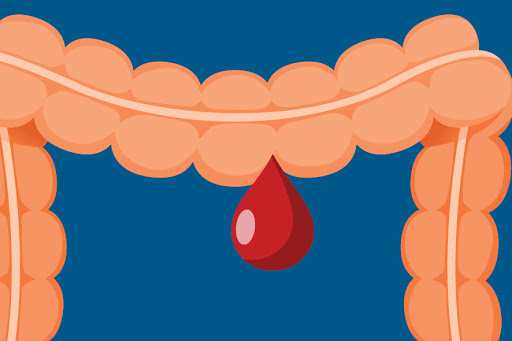
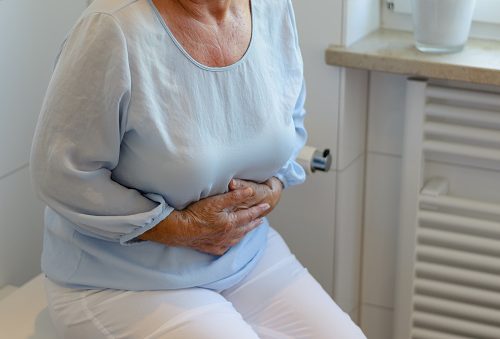
Epigastric pain is pain or discomfort in the upper middle part of your abdomen, just below the breastbone and between the ribs. It is often a symptom of a digestive problem and may come with bloating, burning or heartburn.
Sometimes this pain is not a reason for concern, such as mild discomfort after a large meal. Other times it is a symptom of a condition such as GERD, a peptic ulcer or inflammation. Finding the cause matters before starting treatment.
Get emergency help for sudden, severe or crushing pain, pain that spreads to the chest, arm, neck or jaw, shortness of breath, vomiting blood, or black stools. Upper abdominal pain can sometimes be a sign of a heart attack.
Epigastric Pain Causes
There are many possible causes of epigastric discomfort or pain. They include:
1- GERD
Gastroesophageal reflux disease (GERD) happens when stomach contents and acid flow back up into your esophagus again and again. This can cause heartburn, a burning feeling behind the breastbone, chest discomfort or epigastric pain. Ongoing GERD should be checked and managed by your doctor.
Symptoms of GERD can include:
- Chest discomfort
- Heartburn,
- Regurgitation of food or sour liquid
- Ongoing cough
- Hoarseness
- Abnormal acidic taste in your mouth
- Throat soreness
- The feeling of a lump in your throat
2- Lactose intolerance
Lactose intolerance happens when your body can't fully digest lactose, a natural sugar in milk and milk products like cheese and ice cream.
Normally, an enzyme called lactase in the small intestine breaks lactose into two simpler sugars, glucose and galactose. People with low lactase levels can't break down all the lactose they eat, which leads to digestive symptoms. Most can still handle some lactose without symptoms.
Common symptoms that come with lactose intolerance are:
- Stomach pain or epigastric pain
- feeling bloated
- gas
- Nausea
- diarrhea
3- Indigestion
Indigestion (dyspepsia) is discomfort in the upper abdomen, often during or after eating. It is often caused by stomach acid irritating the stomach lining or throat.
You can have the following symptoms with indigestion:
- Nausea
- burping
- bloating in the abdomen
- feeling full too soon or uncomfortably full
4- Gastritis/ Esophagitis
Esophagitis is inflammation of the lining of the esophagus, while gastritis is inflammation of the lining of the stomach. Both are important causes of epigastric pain.
They can be caused by acid reflux, infections such as H. pylori, regular use of NSAID pain relievers, alcohol, and immune system disorders. Untreated inflammation can lead to ulcers, bleeding or scarring.
5- Peptic Ulcer Disease
Peptic ulcers are sores in the lining of the stomach or the first part of the small intestine (duodenum). The most common causes are H. pylori infection and NSAIDs such as aspirin, ibuprofen and naproxen.
Pain is the most common symptom. It may be dull or burning and come and go. For some people it happens when the stomach is empty or at night and eases briefly after eating, while for others eating makes it worse. Pain patterns alone can't tell a stomach ulcer from a duodenal ulcer, so tests are needed.
6- Pregnancy
Epigastric pain or heartburn is common during pregnancy. Hormonal changes relax the valve at the top of the stomach, and the growing uterus presses on the stomach, which pushes acid up into the esophagus.
Mild heartburn is common in pregnancy. However, pain just below the ribs, especially with a severe headache, vision problems or sudden swelling of the face, hands or feet, can be a sign of pre-eclampsia. Call your healthcare provider right away if this happens.
7- Overeating
A very common problem which is seen in most people is overeating. When you eat more than your stomach comfortably holds, it stretches and can cause pain, bloating and heartburn. Large meals also make acid reflux and indigestion more likely.
Eating smaller meals, avoiding lying down right after eating, and taking a short walk after meals may help.
How Actual Cause Of Epigastric Pain Can Be Diagnosed?
Before starting treatment, finding the actual cause is very important. Doctors usually start with:
- A detailed history of your symptoms
- Physical and clinical examination
Many diagnoses can be made from the history and exam. If the cause is still unclear, your doctor may order:
- Ultrasound, x-ray or upper endoscopy
- Blood tests
- Tests for H. pylori (breath, stool or biopsy)
- Urine test, including a pregnancy test when relevant
- ECG and other heart tests to rule out angina or a heart attack
Epigastric Pain Treatment
Treatment of epigastric pain depends on the cause and how long it has been going on. If the cause is overeating, eating smaller portions and limiting fatty, spicy foods and alcohol may help.
If the cause is GERD, Barrett's esophagus or a peptic ulcer, your doctor may prescribe acid-reducing medicines such as proton pump inhibitors. If H. pylori is found, antibiotics are given to clear the infection.
Avoid taking NSAID pain relievers for stomach pain unless your doctor says so, because they can cause or worsen ulcers. Gastritis and esophagitis are treated by addressing the cause, often with acid-reducing medicine.
In short, treatment varies from patient to patient and cause to cause. See your doctor if epigastric pain is severe, keeps coming back or comes with weight loss, trouble swallowing or vomiting.