Common Eye Diseases: Causes, Symptoms and Care
Contents
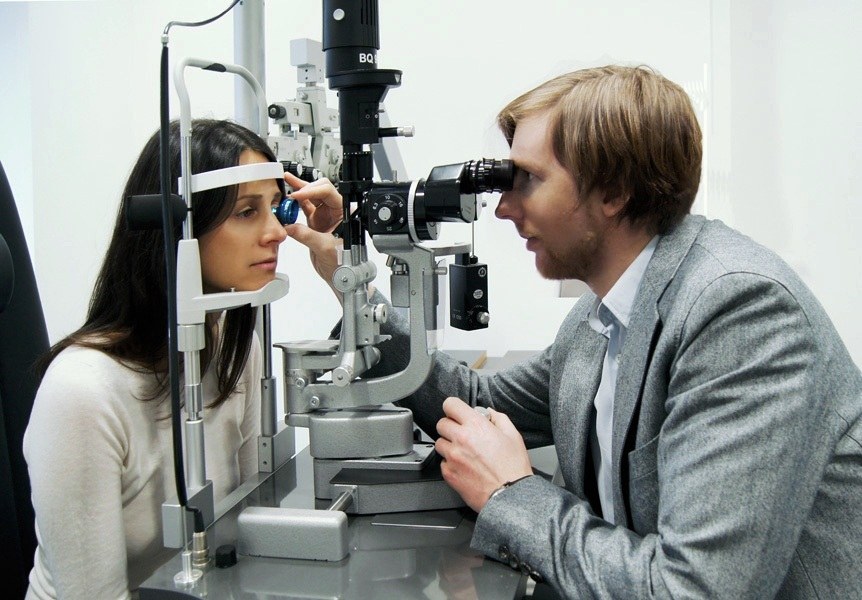
Photo by PFrankoZeitz, CC BY-SA 3.0, via Wikimedia Commons
Many people have eye diseases of various types at some point in life. Some are mild and clear up with or without treatment, while others need care from an eye specialist. Not all eye diseases affect your vision, but some can cause serious vision loss.
Eye diseases may be age-related, inherited, or caused by infection, injury or other health conditions. Risk factors include allergens, smoke and air pollution, improper contact lens care, sun exposure, and conditions like diabetes. Some common age-related eye diseases are cataract, glaucoma and macular degeneration.
Common Causes of Eye Diseases
Many things around us can affect our eyes. Some of them are:
- Inherited (genetic) conditions
- Dust, pollen and other allergens
- Smoke and air pollutants, such as those from traffic and industry
- Contaminated water (for example, on contact lenses)
- Ultraviolet (UV) rays from the sun, which raise the risk of cataracts and other eye problems.
- Improper use of contact lenses, such as sleeping in them, poor cleaning or sharing lenses
- Long periods of screen use or reading, which can cause eye strain (but not permanent damage)
- Lack of sleep
- Smoking and poor diet, which raise the risk of some eye diseases
Some Common Eye Diseases
Here is a summary of some common eye problems.
1- Red Eye
Red eye is not a disease itself, but a symptom of other eye problems like conjunctivitis (pink eye), allergies, dry eye or keratitis. The white of the eye has tiny blood vessels that become swollen and more visible when the eye is irritated or inflamed.

Sometimes a small blood vessel bursts and leaves a bright red patch on the white of the eye. This usually looks worse than it is and clears on its own.
Red eye can come from bacterial, viral or fungal infections, allergies or injury. A very painful red eye, especially with blurred vision or sensitivity to light, needs urgent medical care.
2- Strabismus
When both eyes don't line up when you look at something, you might have strabismus. It is also commonly known as a squint or crossed eyes. It may be present from childhood or develop later, sometimes linked to uncorrected farsightedness or other eye or nerve problems.
Strabismus can affect vision. In children, it can lead to lazy eye (amblyopia), and adults who develop it may have double vision. It can also affect self-confidence. Treatment may include glasses or eye muscle surgery.
3- Refractive Error / Eyesight issues
Refractive errors are the most common vision problems. Normally the cornea and lens focus light onto the retina at the back of the eye, which sends signals through the optic nerve to the brain.
In a refractive error, the shape of the eye keeps light from focusing correctly on the retina, so things look blurry.

Image Source
- If far-away objects look blurry, you have myopia or nearsightedness.
- If near objects look blurry, you may have hyperopia or farsightedness.
- If it gets harder to see close up as you reach middle age, you have presbyopia.
These refractive errors are corrected with eyeglasses, contact lenses or surgery.
4- Dry Eye
Normally, tears keep your eyes moist, and each blink spreads a fresh layer of tears over the eye. When your eyes don't make enough tears, or the tears don't work well, you may feel burning, grittiness or a feeling that something is in your eye. Severe dry eye can damage the cornea if it isn't treated. It can be managed by:

- Use a humidifier at home.
- Drink plenty of water.
- Use eye drops that work like natural tears (artificial tears).
- Eat a healthy diet that includes omega-3 fatty acids, found in fish, walnuts and vegetable oils.
- Take regular breaks from screens and remember to blink.
- Wear sunglasses outdoors to protect your eyes from wind and sun.
5- Eyestrain
Eye strain is common in students and workers who read or use computers for long hours. It happens when your eyes get tired from focusing for too long. Eye strain does not cause permanent damage, and resting your eyes usually helps.
Follow the 20-20-20 rule: every 20 minutes, look at something at least 20 feet away for at least 20 seconds. If eye strain is severe or doesn't go away with rest, visit an eye doctor to find the cause.
Sources
- Refractive Errors, National Eye Institute
- Dry Eye, National Eye Institute
- Squint, NHS
- Eye Strain and Sleepy Eyes, American Academy of Ophthalmology