How to Get Rid of Back Acne at Home: 6 Best Ways
Contents
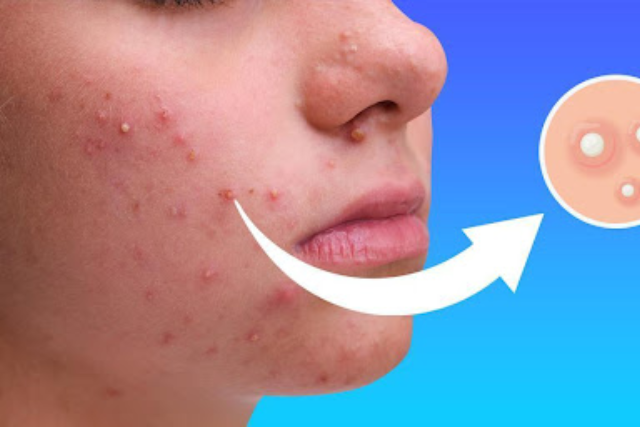
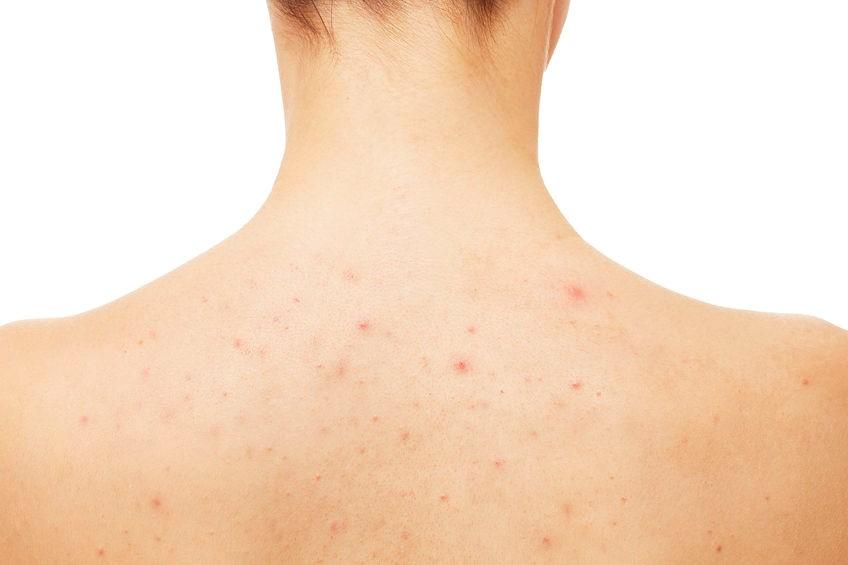
Back acne is common, especially in teens and young adults. Acne can appear at almost any age and on the face, chest, shoulders or back. The good news is that back acne is treatable. Many people wonder how to get rid of back acne. Over-the-counter and prescription treatments can help, and some home habits can too.
What causes it? Acne forms when pores get clogged with oil and dead skin cells, and bacteria and inflammation follow. Contributing factors include hormonal changes, genetics, certain medicines, stress, sweat and friction from tight clothing or backpack straps. Some foods may play a part for some people.
How to get rid of back acne
You can often improve back acne with the right skin care, a few habit changes and over-the-counter products. Natural remedies are not as well proven as standard acne treatments. Try one of these approaches, or combine several:
1- Healthy food
Diet may play a role for some people. Small studies suggest that a low-glycemic diet, with fewer foods like white bread, white rice and sugary snacks, may reduce acne. Several studies link cow's milk, including skim milk, to acne.
But the American Academy of Dermatology notes that diet alone doesn't clear acne, and more research is needed. Eat plenty of vegetables, fruits, whole grains, lean proteins and water, and notice whether particular foods seem to trigger breakouts.
2- Sunscreen Use
Choose your sunscreen carefully, because greasy products can clog pores and worsen back acne. Protecting your skin from solar radiation is still very important. Use a broad-spectrum, SPF 30 or higher, water-resistant sunscreen labeled "oil-free" or "non-comedogenic" on any skin exposed to the sun.
3- Take Shower Right After Workout
Sweat left on the skin, along with tight sweaty clothes, can trigger breakouts on the back. Shower and change out of sweaty clothes as soon as you can after a workout. If you can't shower right away, wipe your skin with an oil-free cleansing wipe. Loose cotton or sweat-wicking workout clothes help too.
4- Benzoyl Peroxide Body Wash
For back acne, dermatologists often recommend a body wash with benzoyl peroxide, which kills acne-causing bacteria. The AAD suggests that leaving the wash on for a few minutes before rinsing helps it work, and a lower strength (around 5%) is less likely to irritate. Rinse well, since it can bleach towels and clothing.
An over-the-counter adapalene gel can be added to help unclog pores. Avoid harsh scrubbing, loofahs and back brushes, which can irritate skin and worsen acne. Wash gently, no more than twice a day.
5- Tea Tree Oil
Tea Tree oil to remove the acne is a popular natural option. It has antimicrobial properties, and some small studies suggest diluted tea tree oil products may help mild acne, though it works more slowly than standard treatments. Never apply it undiluted. Mix a few drops with aloe vera gel or a carrier oil, and test a small patch first, as it can irritate skin or cause allergic reactions. Tea tree oil does not remove acne scars; for help with marks, see our guide to Rid of acne scars.
6- Don’t Pick
Avoid picking, squeezing or popping back acne or any acne. Picking increases inflammation and can lead to more breakouts and scarring.
Prevention from Back Acne
Some tips can be used to prevent back acne in the future. Some of them are
- Take a shower after a workout to wash off sweat and dirt.
- Eat plenty of vegetables, fruits and whole grains.
- Notice whether certain foods, such as milk or sugary, high-glycemic foods, seem to trigger your breakouts.
- Drink plenty of water to stay hydrated.
- Don’t scrub the affected area.
- Avoid products and fabrics that irritate your skin.
- Don't pick or pop acne, because it can worsen inflammation and cause scars.
- Keep backpack straps and tight clothing from rubbing your back.
- Use oil-free, non-comedogenic skin and hair products.
See a board-certified dermatologist if your acne is deep, painful or cystic, leaves scars, or hasn't improved after 4 to 6 weeks of over-the-counter treatment. Prescription medicines can help.
HP Thoughts: Learn more about acne vulgaris here: Acne Vulgaris.
Sources
- Back acne: How to see clearer skin, American Academy of Dermatology
- Can the right diet get rid of acne?, American Academy of Dermatology