How to Prevent Osteoporosis a Complete Guide
Contents
Overview: How to Prevent Osteoporosis!
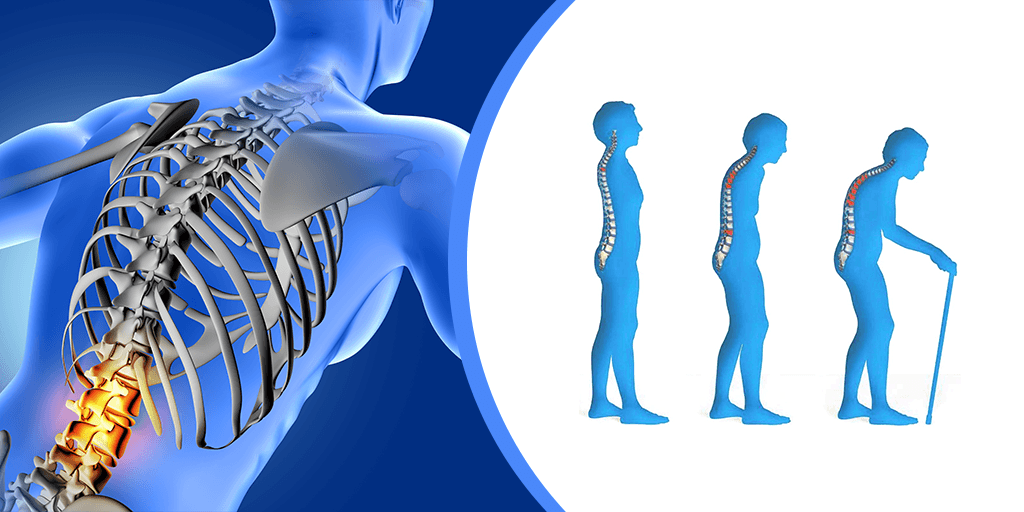
Studies suggest that about one in two women and up to one in four men age 50 and older will break a bone due to osteoporosis. Osteoporosis causes bones to become weak and brittle, so brittle that a fracture can occur from a fall or mild stress such as bending or coughing.
Osteoporosis-related fractures most commonly occur in the hip, wrist, or spine. Bone is living tissue that is constantly breaking down and being replaced. Osteoporosis occurs when new bone formation does not keep up with old bone loss. The balance between old bone breakdown and new bone formation changes at different stages of our lives.
- In childhood and adolescence, new bone is formed very quickly. This allows our bones to grow bigger and denser. Bone density reaches its peak in young adulthood.
- After that, new bone is produced at roughly the same rate as old bone is broken down, so the adult skeleton is gradually renewed over the years.
- Later in adulthood, bone begins to break down faster than it is replaced, so our bones slowly lose density. For many women, bone loss speeds up around menopause.
We all have some degree of bone loss as we get older, but the term osteoporosis is only used when bones become quite fragile. When bone is affected by osteoporosis, the holes in its honeycomb-like inner structure become larger and the overall density is lower, which is why fractures are more likely to occur.
Risk factors
Several factors can increase the likelihood that you will develop osteoporosis, including your age, race, lifestyle choices, and medical conditions and treatments. Knowing them helps you understand how to prevent osteoporosis.
Some risk factors for osteoporosis are beyond your control, including:
- Sex: Women are much more likely to develop osteoporosis than men.
- Age: The older you are, the greater the risk of osteoporosis.
- Race: If you are of white or Asian origin, you are at the greatest risk of osteoporosis.
- Family history: Having a parent or siblings with osteoporosis puts you at greater risk, especially if your mother or father has fractured a hip.
- Body size: Slender, thin-boned people have a higher risk because they have less bone to lose.
Hormone levels
Osteoporosis is more common in people who have too much or too little of certain hormones in their bodies. They include:
- Sex hormones: Low sex hormone levels weaken bone. A decrease in estrogen levels in women at menopause is one of the strongest risk factors for developing osteoporosis.
Testosterone levels in men gradually decrease with aging. Treatments for prostate cancer that reduce testosterone levels in men and treatments for breast cancer that reduce estrogen levels in women are likely to accelerate bone loss.
- Thyroid problems: Too much thyroid hormone can cause bone loss. This can happen when your thyroid is overactive or if you take too much thyroid hormone medication.
- Other glands: Osteoporosis has also been associated with overactive parathyroid and adrenal glands.
Some other factors are
People who are more likely to have osteoporosis:
- Low calcium intake: A lifelong lack of calcium plays a role in the development of osteoporosis. Low calcium intake contributes to lower bone density, early bone loss and a higher fracture risk.
- Eating disorders: Severely restricting food intake and being underweight weaken bone in both men and women.
- Gastrointestinal surgery: Surgery to reduce the size of your stomach or remove part of the intestine limits the amount of surface area available to absorb nutrients, including calcium. These include weight-loss surgeries and surgeries for other gastrointestinal disorders.
- Medicines: Long-term use of glucocorticoids (steroids) and some other medicines, such as certain antiseizure drugs and cancer treatments, can weaken bone.
How to Prevention Osteoporosis?
Since it is necessary to build strong and healthy bones starting at an early age, everyone should maintain a balanced diet and exercise regularly throughout life to avoid osteoporosis later in life.
-
Balanced diet
For example, eat calcium-rich foods
- Dairy products such as milk, yogurt, and cheese (low-fat milk and skimmed milk have less saturated fat and are healthy options)
- Seafood eaten with bones or shells, such as whitebait, canned sardines, dried silverfish and dried shrimp.
- Soybean products like calcium-set tofu, fortified soy milk and other soy foods
- Dark green leafy vegetables, e.g. kale, broccoli, bok choy and Chinese flowering cabbage
- nuts and seeds, e.g. almonds and sesame
- Ensure adequate vitamin D intake from foods such as egg yolk, oily fish and fortified milk
- Keep salty foods, such as salted fish and soy sauce, in moderation
-
Do not smoke, and drink alcohol only in moderation, if at all. Keep caffeinated drinks such as coffee and tea moderate as well.
-
Do weight-bearing exercises, e.g. brisk walking, tai chi, or dancing, on most days of the week. Muscle-strengthening exercises help too.
-
Spend some time outdoors. Sunlight helps the body make vitamin D, which helps it absorb calcium. Beware of sunburn. Bone metabolism is a continuous process, and gradual bone loss starts in adulthood. Therefore, everyone should take steps to prevent osteoporosis.
If you have risk factors, ask your doctor whether you need a bone density test or calcium and vitamin D supplements. Do not start supplements on your own without advice, especially if you have kidney problems.
Conclusion
Osteoporosis occurs when new bone formation does not keep up with old bone loss. The balance between old bone breakdown and new bone formation changes at different stages of our lives.
Osteoporosis causes bones to become weak and brittle, so brittle that a fracture can occur from a fall or mild stress such as bending or coughing. Osteoporosis-related fractures most commonly occur in the hip, wrist, or spine.
Since it is necessary to build strong and healthy bones starting at an early age, everyone should maintain a balanced diet and exercise regularly throughout life to Prevent Osteoporosis later in life.
Sources
- What is Osteoporosis and What Causes It?, Bone Health and Osteoporosis Foundation
- Osteoporosis, National Institute of Arthritis and Musculoskeletal and Skin Diseases