8 Best Remedies For Breathing Problems
Contents
- Overview!
- REMEDIES FOR BREATHING PROBLEMS
- Sitting Forward
- Head down Position
- Pursed Lip Breathing, Best Remedies for Breathing Problems
- Lean against the Wall
- Maintain Relaxed Posture While You Sleep
- Drinking Coffee
- Changing Lifestyle, One Of The Best Remedies For Breathing Problems
- WHEN TO SEEK MEDICAL HELP?
- Sources
Overview!
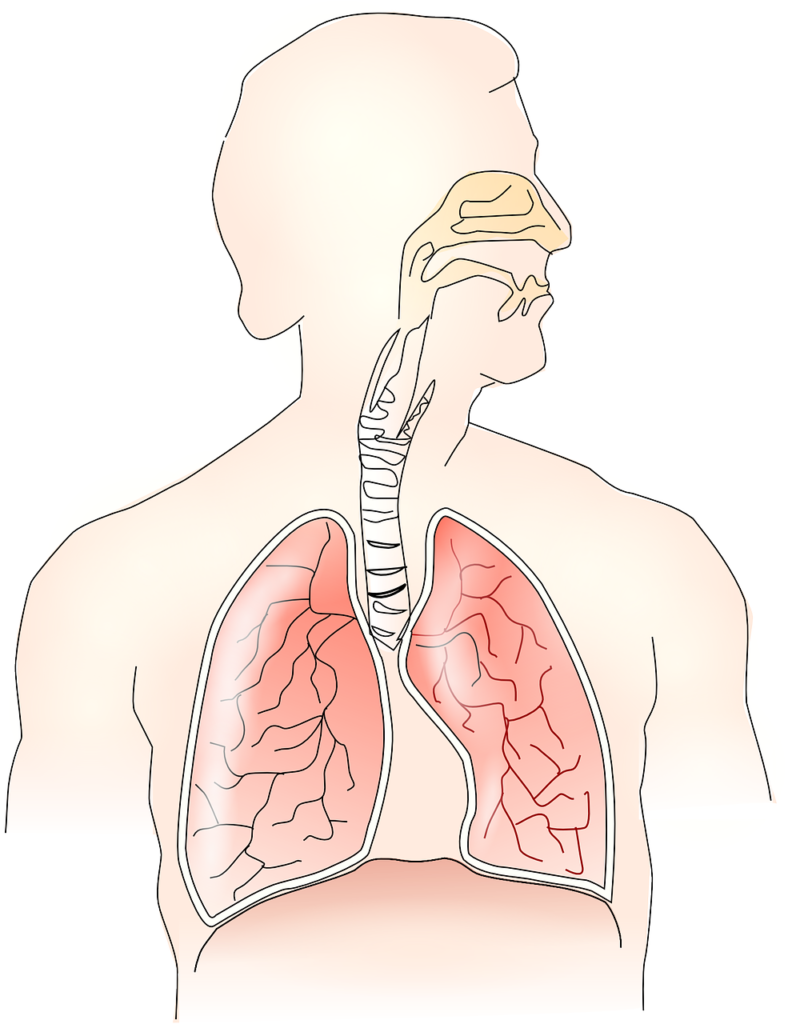
Yes, Remedies For Breathing Problems! Breathing problems happen when you feel you cannot get enough air into your lungs. Common causes include asthma, chest infections, being overweight, smoking and panic attacks. More serious causes include COPD, heart failure and blood clots in the lungs.
Breathing problems may last a short time, or they may continue for months or years in people with a long-term lung or heart condition.
Breathing Problems at Night Causes, Symptoms, Diagnosis & Treatment
The NHS advises that you should not try to self-diagnose the cause of shortness of breath; see a doctor to find out why it is happening. Once you know the cause, the techniques below can help you cope with mild breathlessness at home. They ease symptoms but do not treat the underlying condition.
Relaxing your body and changing position can make breathing feel easier. Here are several remedies for breathing problems.
REMEDIES FOR BREATHING PROBLEMS
-
Sitting Forward
This position helps your body relax and can make breathing feel easier. Sit on a chair with your feet flat on the floor and lean your chest slightly forward.
Rest your elbows on your knees or hold your chin in your hands, and keep your neck and shoulder muscles relaxed. Many people with long-term lung conditions find this position helpful when they feel breathless.
-
Head down Position
Sit on a chair at a table with your feet flat on the floor. Lean forward and rest your head on a pillow on the table, or rest your head on your folded arms.
Leaning forward with your arms supported lets the chest and breathing muscles work more easily. It can be especially helpful when breathlessness comes with anxiety or a panic attack.
-
Pursed Lip Breathing, Best Remedies for Breathing Problems
If you often get short of breath, pursed-lip breathing is one of the best ways to control it. It slows your breathing and can make it easier, for example when climbing stairs or walking.
Cleveland Clinic explains that pursed-lip breathing helps keep your airways open longer and releases trapped air. It is especially useful for people with COPD, asthma or pulmonary fibrosis, though it won't treat the lung condition itself.
To do it, sit comfortably and relax your neck and shoulders. With your mouth closed, breathe in slowly through your nose for about two seconds.
Then purse your lips as if you were about to whistle, and breathe out slowly and gently through them for four seconds or more. Always breathe out for longer than you breathe in. Repeat until your breathing feels more controlled.
-
Lean against the Wall
Standing with your back supported can help relax your muscles. Stand with your back and hips resting against a wall, feet slightly apart and a little away from the wall.
Relax your shoulders, let your arms hang or rest your hands on your thighs, and breathe in and out slowly and gently. This is a good option when you need a rest while out walking.
-
Maintain Relaxed Posture While You Sleep
Many people with breathing difficulties, such as those with heart failure or lung disease, feel more breathless when lying flat. Some also have sleep apnea, where breathing stops and starts during sleep, which disrupts sleep and needs medical treatment.

Raising your head and upper body with pillows and keeping your back straight may make breathing easier at night. Some people find lying on their side with a pillow between the legs comfortable. Tell your doctor if you need more pillows than before to breathe, as this can be a sign of heart or lung trouble.
-
Drinking Coffee
Caffeine is chemically related to theophylline, an older asthma medicine. A Cochrane review found that caffeine modestly improved airway function for up to four hours in people with asthma.
The effect is small and short-lived, so coffee is not a treatment for breathing problems. Never use it in place of your inhaler or prescribed medicine, and get help right away for a severe asthma attack.
-
Changing Lifestyle, One Of The Best Remedies For Breathing Problems
Lifestyle changes can make a big difference to breathing and overall health. They work best alongside medical treatment for the cause of your breathlessness. Changes that can help include:
If you smoke, stop. Smoking damages the lungs and causes cough, mucus and breathlessness, and it is the main cause of COPD.
If you have a lung or heart condition, avoid high altitudes where the air has less oxygen, unless your doctor says it is safe.
Try to avoid environmental toxins and pollution as much as you can.
People with asthma should avoid their triggers, such as pollen, dust and smoke. Less exposure to triggers means fewer breathing problems.
Excess weight can make breathing harder. If you are overweight, losing weight gradually can help.
Eat plenty of fruits and vegetables, stay active within your limits and aim for good sleep.
If you have a medical condition, follow your treatment plan. Your doctor can diagnose and treat underlying problems like chronic obstructive pulmonary disease, asthma attack, pulmonary embolism, pulmonary hypertension and heart conditions which include cardiomyopathies and heart attack.
WHEN TO SEEK MEDICAL HELP?
Call 911 or go to the emergency room if breathing difficulty comes on suddenly or is severe, if you cannot speak in full sentences, if your chest feels tight or painful, or if your lips or skin turn blue or gray.
See a doctor soon if you have shortness of breath with a cough, high fever, wheezing or swollen ankles, if it gets worse when you lie down, or if a cough lasts three weeks or more.
Sources
- Shortness of breath, NHS
- Breathing difficulty, MedlinePlus
- Pursed-Lip Breathing, Cleveland Clinic
- Caffeine for asthma, Cochrane Database of Systematic Reviews (Europe PMC)