Rhinoplasty Before and After Consequences
Contents
Photo by Faceofwiki, Public domain, via Wikimedia Commons
Rhinoplasty is a type of plastic surgery done to change the shape and size of the nose, to restore nasal function, or both. Most people go home the same day. Rhinoplasty before and after changes can be easy to see once healing is complete.
People who are unhappy with the shape of their nose may consider this facial cosmetic surgery. Besides cosmetic reasons, there are medical reasons too.
Some people have breathing problems from a deviated nasal septum, a past injury, or a nose shape they were born with. Some of these problems can be corrected with surgery, sometimes combined with septoplasty. Some people have nose shapes they were born with, such as narrow or wide nostrils, a hump on the nose, a depressed nose, or a deviated nasal septum (DNS).
Cosmetic rhinoplasty is usually done after the nose has finished growing. Meanwhile, some people have lost their self-confidence because of the shape of their nose, even though their breathing is normal. For them, rhinoplasty may help them feel more confident, as long as their expectations are realistic.
Age Limitation For This Rhinoplasty
According to MedlinePlus, many surgeons prefer to do cosmetic nose surgery after the nasal bone has finished growing. This is around age 15 to 16 for girls and somewhat later for boys.
Surgery to fix breathing problems may be done earlier when needed. Septoplasty corrects a deviated nasal septum, while septorhinoplasty also changes the outer shape of the nose.
Rhinoplasty Surgery
Rhinoplastic Surgery often takes 1 to 3 hours, and most people go home the same day. It is done under local anesthesia with sedation, where you are relaxed but awake, or under general anesthesia, where you sleep through the operation.
The surgeon makes cuts inside the nostrils, and sometimes a small cut across the strip of skin between the nostrils. Bone and cartilage are then reshaped. Extra tissue may be removed, grafts may be added to fill depressed areas, and deviated parts are repositioned to improve breathing.
After the correction, the skin is closed with stitches. A splint and sometimes nasal packing are placed. Follow your surgeon's instructions on wound care, and keep your head raised while you sleep to reduce swelling.
Rhinoplasty Before And After
Here is a discussion of two cases of rhinoplasty surgery, with before and after pictures below. Results vary from person to person, and photos show only individual outcomes.
CASE 1

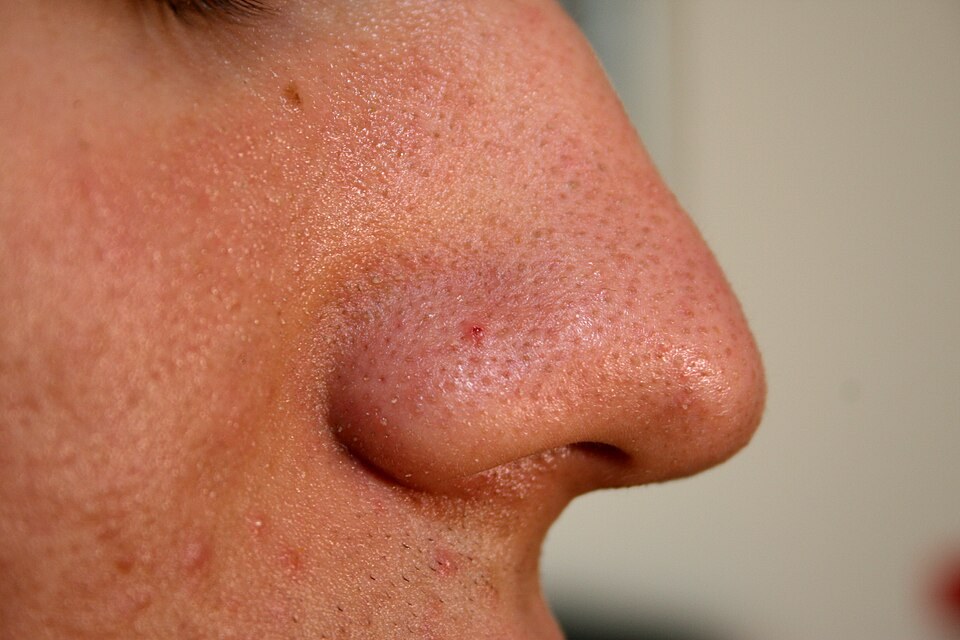
Before rhinoplasty, this man's nose was crooked after trauma. The picture shows a damaged nasal bridge and an asymmetrical shape. This is a common reason for rhinoplasty surgery.
The after picture shows a straighter, more symmetrical nose. The overall facial look changed with a nose job alone. Rhinoplasty can be costly, and public or insurance funding usually covers it only when it is needed to help you breathe, not for cosmetic reasons.
CASE 2

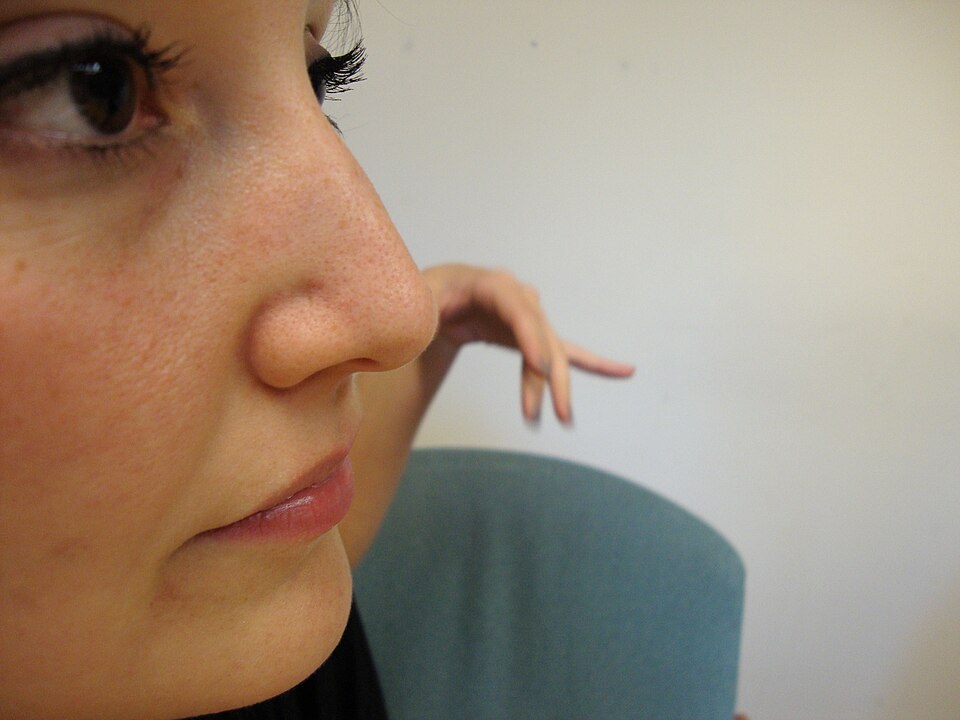
This woman's before and after pictures show a purely cosmetic change. She did not have breathing problems. People in her situation often choose surgery for a smoother, more balanced nose.
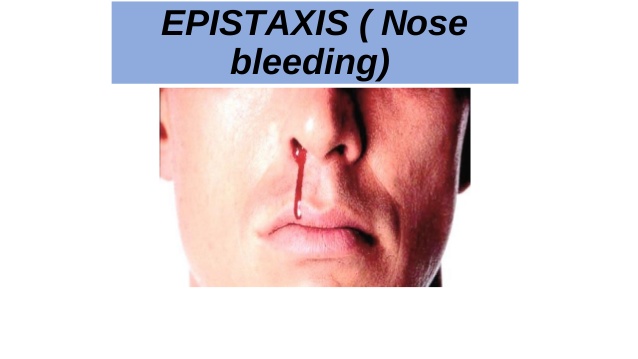
Final results take time. Like any surgery, rhinoplasty has risks, including bleeding, infection, breathing problems, and a changed sense of smell. Most swelling improves by 2 to 3 months, but the tip of the nose can stay swollen for months, and the final shape may not be visible for up to a year.
Sources
- Rhinoplasty, MedlinePlus
- Nose reshaping (rhinoplasty), NHS