How to Get Rid of Bloodshot Eyes: 5 Home Tips
Contents
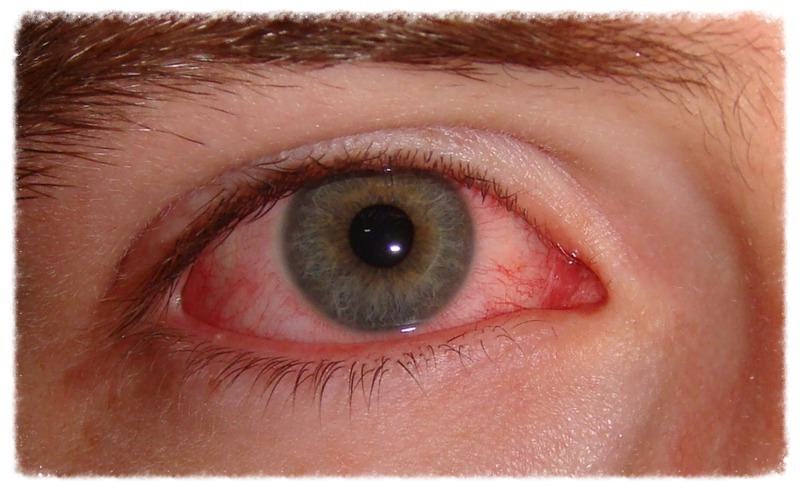
Bloodshot eyes or red eyes are a sign in which the white part of the eye turns red. Sometimes redness is the only symptom; other times it comes with eye pain, discharge, or a burning feeling.
Most bloodshot eyes are harmless and clear up with simple home care. But redness can also be a sign of an infection or a more serious eye problem, especially when it comes with pain or changes in vision.
HEre is the Bloodshot Causes
SYMPTOMS OF BLOODSHOT EYES
Bloodshot eyes can be a symptom of other eye diseases, and they are common. Redness of the eye may come with other symptoms like:
- Pain in eye
- Impaired eye vision
- Photosensitivity
- Watery discharge from the eye
- Headache
- Eye strain
- Burning sensation
- Irritation or discomfort
If redness comes with eye pain, light sensitivity, blurred vision, or yellow, green, or brown discharge, see a doctor or eye specialist promptly.
HOW BLOODSHOT EYES HAPPEN?
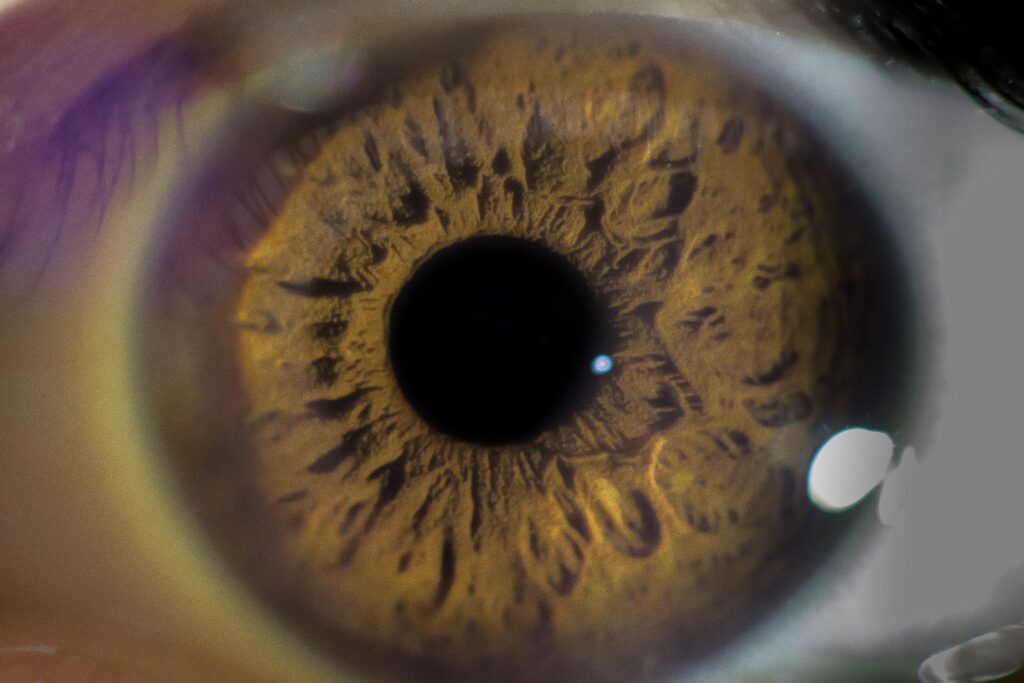
The white part of the eye is the sclera. In front of the pupil is the clear, dome-shaped cornea. A thin, clear layer called the conjunctiva covers the white of the eye and contains tiny blood vessels.
When these vessels widen or leak, the white of the eye turns red. You may also feel discomfort and irritation.
According to the American Academy of Ophthalmology, most bloodshot eyes are caused by irritants or allergens such as pollen, dust, smoke, pet dander, mold, or chlorine. The eye releases histamine, which widens and inflames the tiny blood vessels on its surface.
Other common causes include dry eyes, lack of sleep, contact lens problems, and infections such as pink eye. Irritation from a simple cause usually settles within a day or two. If redness does not improve, or other symptoms appear, it may need medical treatment.
HOME TIPS TO GET RID OF BLOODSHOT EYES
Home care can ease mild redness caused by irritation, dryness, or allergies. These tips do not treat infections or injuries, so see a doctor if your symptoms point to one. These home tips include:
1- Wash Eyes daily

Here the boy washing his eyes
Good eye hygiene helps protect your eyes. Wash your face and the skin around your eyes gently, and remove eye makeup before bed. Wash your hands often and avoid rubbing or touching your eyes.
A cool compress on closed eyes a couple of times a day can ease redness and swelling. Use clean towels and bedding.
2- Artificial Tears
Dry eyes are a common cause of redness and irritation. Over-the-counter artificial tears keep the eyes lubricated; choose a preservative-free version if you use them more than four times a day.
Be careful with "redness-relieving" decongestant drops. Using them for more than about three days can cause rebound redness that makes the problem worse.
3- Switch Your Contacts
If you have long-term bloodshot eyes and wear contact lenses, your lenses or solution may be the cause. Old, overworn, or poorly cleaned lenses raise the risk of irritation and infection.
Replace lenses on schedule, use the solution your eye doctor recommends, and never sleep in lenses unless they are approved for it. If your eyes are red and painful, take the lenses out and see an eye doctor.
4- Change Your Dietary Habits
Drink enough water to stay hydrated. Take healthy diets like fresh juices, meat, soup, almonds, nuts, green leafy vegetables, and seasonal fruits to get nutrients for overall eye health.
There is no good evidence that specific foods, such as dairy, cause red eyes. A balanced diet supports overall health but will not clear redness caused by an irritant or infection.
5- Be Aware Of Your Surroundings
Dust, smoke, pollen, and other airborne irritants can redden the eyes. Avoid known triggers, and if you are not sure what triggers your symptoms, an allergist can test for allergies.
You should use sunglasses to protect your eyes from ultraviolet rays of the sun as well as from dust. Wear protective goggles for dusty work or when using chemicals.
If redness or discomfort lasts more than a week despite home care, see your doctor. Get urgent care for sudden vision loss, severe eye pain, an eye injury, or a chemical splash in the eye.
Sources
- Home Remedies for Bloodshot Eyes, American Academy of Ophthalmology
- Eye pain, MedlinePlus