What Causes You to Undergo Spinal Disc Surgery?
Contents
Overview Spinal Disc
We all wish to maintain a healthy lifestyle. To keep our body fit, we try to work out and eat well. However, busy daily routines often leave little time for our health, and that can lead to problems that affect our wellbeing.
Over time, too little activity and a poor diet can take a toll on the body. One of the most common complaints people report is back pain.
Why back pain is more common among people
Back pain has many causes. Lifting heavy things the wrong way, such as an office bag, luggage or a car tire, is a common trigger. The spine is a complex structure that lets us move, and it protects the spinal cord, so it deserves extra care.
The spinal cord is a long, tube-like bundle of nerves that runs from the brain stem down through the spinal canal. In adults it ends around the upper lower back, and a bundle of nerve roots continues below it. These nerves carry messages between the brain and the body.
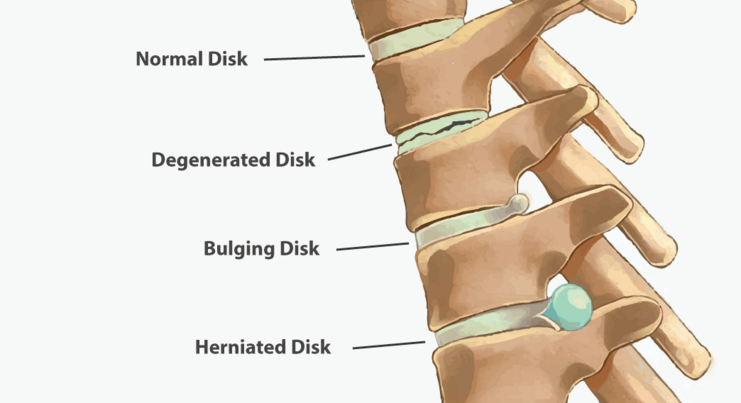
The spine has 33 vertebrae, some of which are fused at the base. Between most vertebrae are rubbery pads called discs, which cushion the bones during activities like running, exercising and walking.
With age and wear, discs can weaken. A disc can then bulge or rupture, sometimes after a lift or twist that seems minor, causing back pain, a herniated disc or numbness.
There could be other factors that can result in such a daunting situation. Degeneration, aging and being overweight can also play a part, and in some cases spinal disc surgery becomes an option. Surgery is usually not recommended until other treatments have been tried, including;
- A short period of rest (long bed rest is not recommended)
- Nonsteroidal anti-inflammatories
- Using Pain relievers
- Opting for Physical therapies
- Exercising regularly
- Steroid injections, given by a doctor
MedlinePlus notes that most people with a slipped disk recover with rest, pain medicine and physical therapy. If these don't give lasting relief, surgery such as a diskectomy may be considered. Surgery does not guarantee that all the pain will go away.
Reasons associated with spinal injuries?
Injuries or excessive strain may cause a herniated disc. A disc can herniate anywhere from the neck to the lower back, but it happens most often in the lower back. When disc material presses on nearby nerve roots or the spinal cord, it can cause pain, numbness and weakness. In some situations, spinal disc surgery is the best option.
Get emergency care if back pain comes with loss of bladder or bowel control, numbness in the groin or inner thighs, or new weakness in the legs. These can signal serious nerve compression.
Symptoms of a slipped disc
- Weakness of muscles
- Aching, tingling, burning
- Pain that spreads into the buttock and leg (sciatica) or into the arm
- Pain that worsens while sitting
- Feeling distressed in arms and legs
- Numbness and pain in various body parts
- Severe pain when walking short distances.
- Pain that worsens with certain movements, coughing or sneezing, or at night
Simple ways to avoid spinal cord pain
-
Exercise:
Regular exercise has countless benefits. It keeps your heart healthy, helps maintain strong bones and strengthens the muscles that support your back. Core and back-strengthening exercises may help lower the risk of back problems.
-
Proper Diet:
The human body needs a range of nutrients every day to stay strong and healthy. Fruits, vegetables, whole grains, calcium-rich foods and lean protein help keep bones healthy and support a healthy weight, which takes strain off the back.
-
Sleep sideways:
Your sleeping position and mattress can affect back comfort. For back pain, MedlinePlus suggests sleeping curled on your side with a pillow between your legs, or on your back with a pillow under your knees. Use a pillow that keeps your head and neck in line with your spine.
-
Maintain a proper body posture:
There are daily routine activities that seem normal to us but are affecting our bodies internally. A great example is sitting for hours in an office chair. We may slump without noticing, and poor posture over long periods can strain the back. Take breaks, sit with your back supported and lift with your legs, not your back.
Diagnosis of slipped discs
A herniated disc is usually diagnosed with a physical exam that checks nerve function, muscle strength, reflexes and the areas that hurt. Imaging tests like an MRI, CT scan or X-ray may be used to confirm the diagnosis or plan treatment.
Final thought
Treatment of a herniated disc varies from person to person. It ranges from rest, medicine and physical therapy to surgery, depending on the disc involved and how severe the symptoms are. Most people get better without surgery, so doctors usually try conservative treatment first.
Surgery is usually reserved for pain that doesn't improve after several weeks of treatment, or for serious nerve problems. Talk to a spine specialist about which option is right for you.
HP Thoughts: Back pain could lead to a serious ailment that requires surgery. Don't get under the knife just yet! Read our post to know how to deal with your back pain: Relieve Spondylolisthesis Pain.
Related Tag: Spinal Shock
Sources
- Herniated disk, MedlinePlus
- Low back pain - acute, MedlinePlus