Systemic Lupus Erythematosus Treatment
Contents
- OVERVIEW:
- Factors Require For Systemic Lupus Erythematosus Treatment?
- Clinical Features Associated With SLE:
- How It Is Diagnosed?
- Systemic Lupus Erythematosus Treatment
- Treatments For Mild to Moderate Disease:
- Treatment of Severe Disease
- Maintenance Therapy for Systemic Lupus Erythematosus
- Conservative Systemic Lupus Erythematosus Treatment
- When to Consult with Doctor?
- Sources
Photo by Whispyhistory, CC BY-SA 4.0, via Wikimedia Commons
OVERVIEW:
Systemic lupus erythematosus (SLE, or lupus) is a chronic autoimmune disease. The immune system attacks the body's own tissues, causing inflammation that can affect the skin, joints, kidneys, heart, lungs, blood cells and brain.
According to NIAMS, women get lupus about nine times more often than men, and it most often starts between ages 15 and 45. It is more common in African American, American Indian and Asian people.
There is no cure, but systemic lupus erythematosus treatment can control symptoms, reduce flares and help prevent organ damage. Early treatment helps prevent complications.
Factors Require For Systemic Lupus Erythematosus Treatment?
The exact cause of SLE is not fully understood, but genes play a role. The disease runs in families, and identical twins are more likely than other siblings to both have it.
Rare inherited deficiencies of complement proteins (such as C1q, C2 and C4) raise the risk. One theory is that problems clearing dying cells expose the immune system to the body's own proteins.
Environmental factors can trigger flares, including ultraviolet light and infections. Whatever the trigger, autoantibodies and immune complexes cause the tissue damage seen in active lupus, leading to inflammation of blood vessels and organs.
Clinical Features Associated With SLE:
Fever, fatigue, weight loss and swollen lymph nodes may occur during flares. Joint pain (arthralgia) and arthritis, with painful, swollen and stiff joints, are very common.
Raynaud's phenomenon, in which fingers turn white or blue in the cold, is common. If it is severe, it can rarely cause sores on the fingertips.
Skin disease is one of the most common features of lupus, and sunlight often makes rashes worse. Kidney involvement (lupus nephritis) is one of the main factors that shapes the outlook and the choice of treatment.
How It Is Diagnosed?
The disease is diagnosed from your history, a physical exam and laboratory tests.
- Nearly all people with SLE have a positive antinuclear antibody (ANA) test, but a positive ANA alone does not mean you have lupus.
- Anti-dsDNA antibodies are more specific for lupus and can track disease activity.
- Anti-Ro and anti-La antibodies
- Blood counts, kidney function tests and a urinalysis check for organ involvement.
- X-rays of the hands can show joint changes, though lupus arthritis usually does not erode bone.
Systemic Lupus Erythematosus Treatment
The goals of treatment are to control flares, prevent organ damage and keep you feeling well. Education about the illness is an important part of care. There is no cure, so treatment is long term and works best when you take medicines as prescribed.
Your doctor will tailor treatment to how active the disease is and which organs are involved. Never start, stop or change a lupus medicine without your doctor.
Treatments For Mild to Moderate Disease:
Patients with mild disease often have symptoms limited to the joints and skin, such as arthritis, a butterfly (malar) rash or discoid rash. According to MedlinePlus, treatment may include:
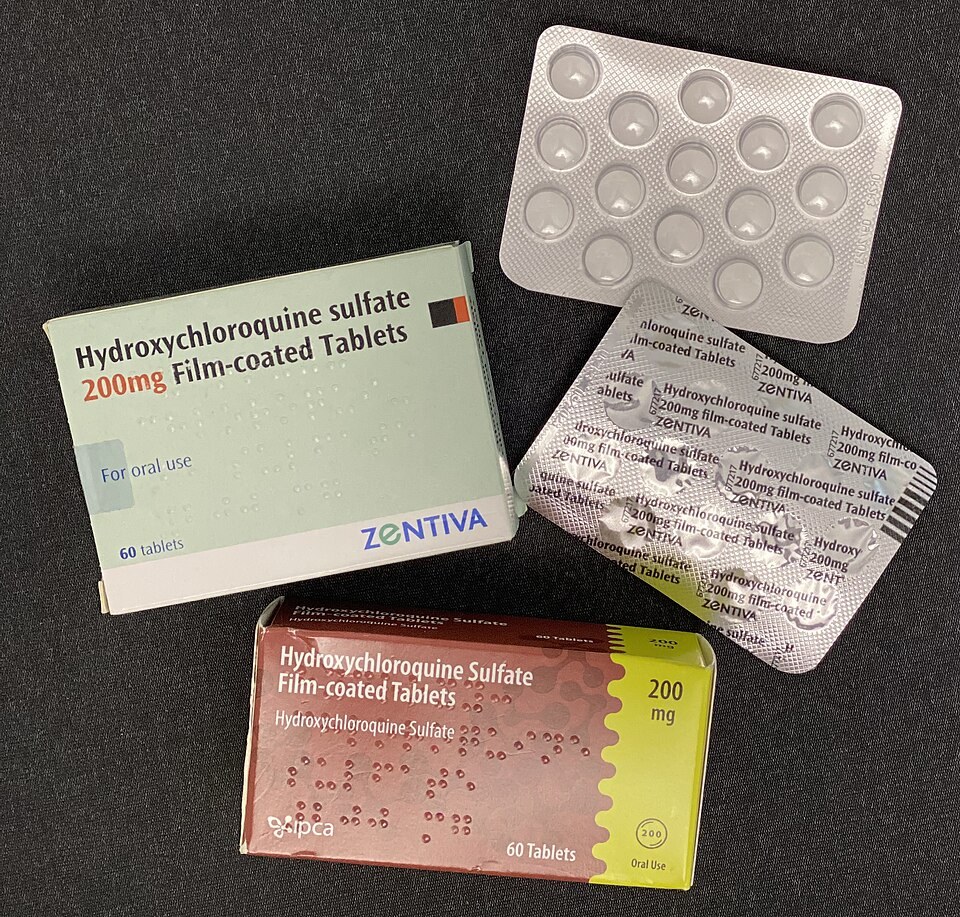
- Hydroxychloroquine, an antimalarial medicine that nearly everyone with lupus takes long term
- Nonsteroidal anti-inflammatory drugs (NSAIDs) such as ibuprofen for joint pain; talk to your doctor first, since NSAIDs can affect the kidneys
- Acetaminophen (paracetamol) for pain; note that it is a pain reliever, not an NSAID
- Low-dose corticosteroids such as prednisone, and steroid creams for skin rashes
- Methotrexate, which may help lower the steroid dose
- Biologic medicines such as belimumab, which blocks a protein that helps B cells survive, or anifrolumab
Doses of corticosteroids may be increased for active disease or when the disease involves the lungs or heart.
Doctors try to use the lowest steroid dose for the shortest time. Long-term steroid use can cause osteoporosis, high blood sugar, high blood pressure and other side effects.
Treatment of Severe Disease
Severe disease involves organs such as the kidneys, heart, brain or lungs. Treatment usually includes high-dose corticosteroids plus immunosuppressive medicines.
Common choices include mycophenolate mofetil, azathioprine and cyclophosphamide. Because of its toxicity, cyclophosphamide is limited to a short course.
Cyclophosphamide can cause bladder irritation and can harm fertility in both men and women. People who want children in the future should discuss fertility preservation with their doctor before treatment.
Mycophenolate is widely used with steroids for lupus kidney disease. Belimumab can reduce flares in active lupus, and rituximab is used in selected cases.
Maintenance Therapy for Systemic Lupus Erythematosus
Once a flare is under control, steroid doses are tapered gradually. Azathioprine, mycophenolate or methotrexate may be used to keep the disease quiet, along with hydroxychloroquine.
Conservative Systemic Lupus Erythematosus Treatment
- Limit sun exposure and wear protective clothing and sunglasses
- Use sunscreen
- Keep blood pressure and cholesterol under control and get preventive heart care
- People with antiphospholipid syndrome or past blood clots may need blood thinners such as warfarin
- Risk of osteoporosis can be lowered with calcium and vitamin D as your doctor advises, and bone density scans
- Stay up to date with vaccines, avoid tobacco and keep alcohol to a minimum
When to Consult with Doctor?
SLE is a chronic disease that can affect many body systems. See your doctor if you have ongoing joint pain, unexplained rashes, fevers or fatigue, and get care right away for chest pain, shortness of breath, swelling in the legs or confusion.
Treatment is long term and can reduce flares and slow organ damage. Steroids can cause serious side effects, including bone loss, immunosuppression and higher blood sugar.
People with diabetes may need their diabetes medicines adjusted while taking steroids, under their doctor's guidance. Those with osteoporosis need regular bone checks.
HP Thoughts: Immune-suppressing medicines are used in many conditions beyond lupus. Learn about another chronic illness of the nervous system here: Parkinson’s Disease.
Sources
- Systemic Lupus Erythematosus (Lupus), NIAMS
- Systemic lupus erythematosus, MedlinePlus