What is Rhinoplasty? Why it is done?

Contents
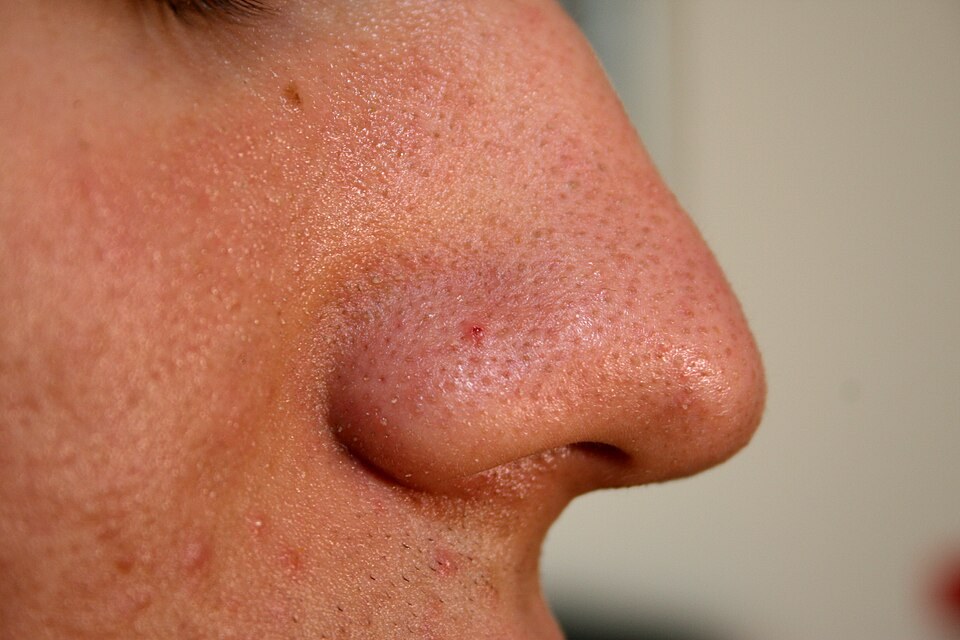
Rhinoplasty is a reshaping of the nose or changes the size of the nose, therefore, it is also termed as “Nose Job“. Rhinoplasty is reshaping of defected part of the nose. The nose has bones as well as the cartilage in its anatomy. The upper portion of the nose is bone, and the lower portion is cartilage. Rhinoplasty can change bone, cartilage as well as skin. Rhinoplasty is actually a cosmetic surgery in which the shape of the nose is changed according to desire. It can change the shape of the nose, size of nose, or proportions of the nose.
Types Of Rhinoplasty
There are two types of rhinoplasty or nose job.
1- Cosmetic Surgery
Cosmetic rhinoplasty is done to change how the nose looks. It isn’t needed for medical reasons such as a birth defect or injury; it is done to make the nose more appealing to the person.
2- Reconstructive Surgery
This type of rhinoplasty restores the form and function of the nose. It can repair nasal injuries, correct birth defects, and help relieve breathing problems.
Changes such as removing a bump, narrowing the nostrils, or changing the angle between the nose and upper lip are usually cosmetic. A deviated septum is corrected with a related surgery called septoplasty, which is sometimes done at the same time.
Method’s of Rhinoplastic Surgery
On the basis of the method of the surgery which a surgeon adopts, it is divided further into two types.
1- Open Rhinoplasty
In open rhinoplasty, the columella is cut down ( columella is the end part of the nasal septum that separates the right and left airways of the nose and makes nostrils). This lets the surgeon lift the skin and see the bone and cartilage directly. It leaves a small scar under the nose.
2- Closed Rhinoplasty
In closed rhinoplasty, the incisions are made only within the nose itself and do not include any cut of columella or another visible cut. It leaves no visible scar and is less invasive than open rhinoplasty. Postoperative complications, the process of healing, the degree of scarring, and the care a patient requires after the operation is different between both types of rhinoplasty.
Why Rhinoplasty Is Done?
Rhinoplasty is done to repair the deformities of the injured portion of the nose, correct the congenital defects of the nose, and improve the breathing or nose functions. Rhinoplasty can change the size, shape, or proportions of your nose. It may be done to repair deformities from an injury, correct a birth defect, or improve some breathing difficulties.
Many surgeons prefer to wait until the nasal bone has finished growing, around age 15 to 16 for girls and a bit later for boys, according to MedlinePlus.

It is also done along with surgery for a deviated nasal septum to reshape the nose. Breathing difficulties can also be a reason for rhinoplasty.
How Does Long Rhinoplasty Surgery Take To Recover?
Like other surgery, after rhinoplastic surgery, you may have bruising around the eyes and swelling around the nose. A nasal splint is usually worn for one to two weeks after the rhinoplastic surgery.
Most swelling improves within 2 to 3 months, but full recovery can take about a year. Healing varies from person to person.
Complications of Rhinoplasty Surgery
Like any surgery, rhinoplasty carries risks, including reactions to anesthesia, bleeding, and infection. Healing varies from person to person. Possible complications include:
- Swelling of turbinates during operation
- Collapse of cartilage
- Nasal obstruction
- Infection
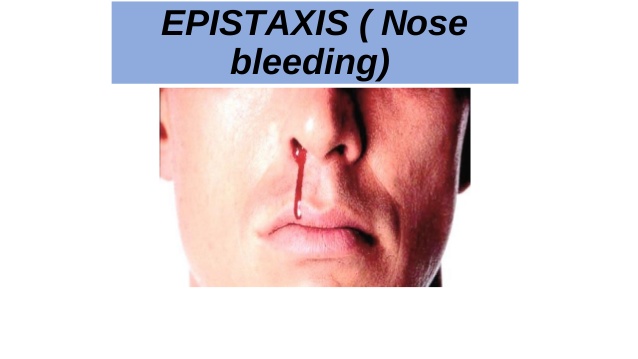
- Bleeding from the nose, which in rare cases can be severe enough to need a blood transfusion
- Excessive dryness
- Chronic nasal discharge
- Septal perforation
- An unsatisfying result that needs another surgery
- Headache
- Worsening of the sense of smell or taste
Talk with a board-certified facial plastic surgeon or ENT surgeon about your risks before surgery.
HP Thoughts: Read our post regarding the second stage or phase of this medical procedure: How Rhinoplasty Surgery is done.
Sources
- Rhinoplasty, MedlinePlus
- Rhinoplasty (Nose Job), Cleveland Clinic