Allergic conjunctivitis causes, symptoms, diagnosis and treatment
Contents
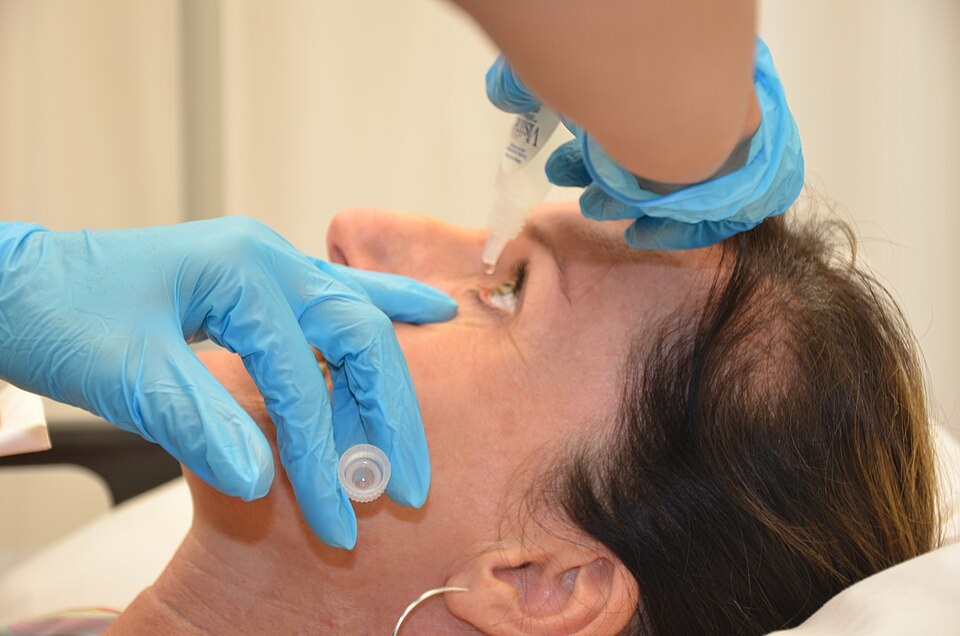
Photo by British Columbia Institute of Technology (BCIT), CC BY 4.0, via Wikimedia Commons
Overview:
If your eyes turn red, itchy, and watery after contact with pollen, dust, or pet dander, you may have allergic conjunctivitis. It is an inflammation of the conjunctiva, the clear tissue that lines the eyelids and covers the white of the eye.
It happens when allergens trigger the release of histamine, which makes blood vessels in the conjunctiva swell. Common triggers include pollen, dust mites, pet dander, and mold spores. Unlike viral or bacterial pink eye, it is not contagious.
If you have hay fever or other seasonal allergies, you may also have symptoms in your nose and throat.

Perennial allergic conjunctivitis is a year-round condition. It is often linked to animal dander, dust mites, mold, or other allergens that are present all year. Its symptoms are similar to the seasonal type but tend to be milder.
Seasonal allergic conjunctivitis is the most common type of eye allergy. It is tied to pollen released at certain times of year, such as tree pollen in spring, grass pollen in late spring and summer, and ragweed pollen in late summer and fall.
Itching is the main symptom, along with watery or stringy discharge, burning, and redness.
Symptoms and causes:
Most people with allergic conjunctivitis have symptoms in both eyes. Symptoms may appear soon after the eyes come into contact with the allergen.
In other cases, for instance when eye drops cause the reaction, symptoms may take a few days to appear. Symptoms of allergic conjunctivitis include:
-
Red or pink eyes:
The eyes turn red because the small blood vessels in the conjunctiva widen.
-
Pain:
This may affect one or both eyes. If a person has painful, Bloodshot eyes, is sensitive to light, and their vision is affected, they should see a doctor right away.
-
Itchiness:
Intense itching is the hallmark symptom. Rubbing can make it worse.
-
Swollen eyelids:
The eyelids may swell, often most in the morning, when the conjunctiva is inflamed or after a lot of rubbing.
-
Soreness:
The inflammation may make the whole area feel sore and tender. Some people describe the soreness as burning.
Seasonal allergic conjunctivitis
People with seasonal allergic conjunctivitis have symptoms at certain times of the year, usually from early spring into summer, and sometimes into fall.
Those with perennial allergic conjunctivitis can have symptoms at any time of year, and may find them worse at certain times of day.
If the eyelids are red, cracked, or dry, this might point to contact conjunctivitis, a reaction to something touching the eye area. Contact conjunctivitis and giant papillary conjunctivitis, which is linked to contact lens wear, aren’t seasonal and can occur at any time of year.
An allergy happens when the immune system overreacts to a harmless substance. Most people don’t react to dust, pollen, and similar substances, but some people are more sensitive. Allergies tend to run in families. The following allergens commonly cause allergic conjunctivitis:
- pollen, as in hay fever
- animal fur and dander
- eye drops
- make-up
- Dust mites.
Risk Factors
Risk factors of allergic conjunctivitis are as follows:
- Seasonal allergies or hay fever
- Exposure to allergens to which you are sensitive
- A family history of allergies
What are different complications of allergic conjunctivitis?
Complications of perennial or seasonal allergic conjunctivitis are rare. It can affect a person’s quality of life but doesn’t normally harm long-term health.
Complications are more likely with some long-lasting forms of eye allergy. The cornea may become inflamed, which is called keratitis, and ulcers can form on it. This raises the risk of scarring and, in rare cases, permanent vision loss. Symptoms of keratitis are:
- intense pain in the eye
- sensitivity to light
- blurred vision
- a feeling that there is something in the eye
- watery eyes
If these symptoms occur, the person should see a doctor promptly.
Diagnosis:
Allergic conjunctivitis is usually diagnosed with a thorough eye exam and a careful history. Skin testing by an allergist may help identify the allergens that trigger it.
Prevention:
Your choice of treatment will depend on how strong the allergic response is. Because histamine causes most of the common symptoms, antihistamines (as pills or eye drops) are often effective.
Other self-care steps include cool compresses, lubricating eye drops, and avoiding smoke. Don’t use decongestant eye drops for more than a few days, and don’t use eye drops while wearing contact lenses unless the label says you can.
If the allergy is caused by pets, try the following:
• keep pets out of the bedroom • groom and bathe them regularly • wash their bedding regularly
If you’re visiting a home with a pet, ask your doctor or pharmacist whether taking an antihistamine beforehand makes sense for you.
If pollen causes a reaction:
• stay inside and keep doors and windows closed when the pollen count is high • avoid areas with lots of grass, flowers, or trees • wear wraparound sunglasses to shield your eyes • shower and change your clothes after being outside • ask someone else to mow the lawn for you
If house dust mites cause a reaction:
• limit soft furnishings, like carpets and heavy drapes • use a vacuum with a HEPA filter • choose anti-allergy mattress and pillow covers • vacuum often, and dust with a clean, damp cloth
See a doctor if symptoms don’t improve with self-care, your vision changes, or eye pain gets worse.
HP Thoughts: Red, irritated eyes are among the most common eye complaints. Bloodshot eyes are less talked about but just as uncomfortable. Learn more in our post: Bloodshot Eyes Causes.
Sources
- Allergic conjunctivitis, MedlinePlus
- Pink Eye, National Eye Institute