18 Most Common Bloodshot Eyes Causes
Contents
- How Eyes Become Bloodshot Eyes?
- Bloodshot Eyes Causes
- 1- Dust, fumes, pollen, grains exposure
- 2- Chemical exposure to certain acids
- 3- Overexposure to sun radiation
- 4- Bacterial Infections
- 5- Environmental pollution
- 6- Dryness in eye
- 7- Viral infections
- 8- Keratitis
- 9- Fungal infection
- 10- Overuse of contact lenses
- 11- Poor eye hygiene
- 12- Mishandling of contact lenses
- 13- Sharing of your lenses with others
- 14- Corneal ulcer
- 15- Uveitis
- 16- Poor sleeping time
- 17- Overuse of digital devices at night
- 18- Smoking, alcohol consumption
- Why Do I Wake Up With Bloodshot Eyes?
- Sources
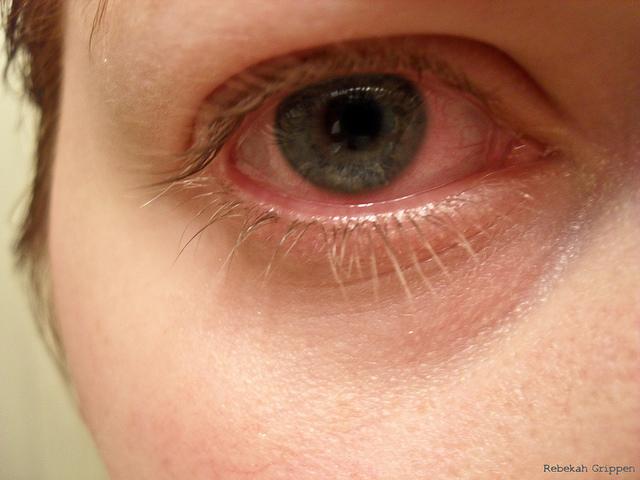
Bloodshot eyes causes include allergens, dust, fumes, dryness, infections and other eye diseases. Red eye is a symptom of other eye diseases or irritations, not a disease itself. The white of the eye (the sclera) is covered by a thin, clear membrane called the conjunctiva. Tiny blood vessels run through the conjunctiva and are normally barely visible. They become visible when they swell or widen.

Image Source: Google
Red eyes are usually not a worrisome problem unless they come with other symptoms like eye pain, vision changes, light sensitivity or discharge. In those cases, you need a medical exam and proper treatment. Mild redness from tiredness or irritation often goes away on its own. Redness of the white of the eye is also known as red eye.
How Eyes Become Bloodshot Eyes?
When an irritant, allergen or germ enters the eye, the body's immune system responds. Inflammatory chemicals cause the tiny blood vessels on the eye's surface to widen, which makes the white of the eye look red. MedlinePlus explains that eye redness comes from swollen or dilated blood vessels on the surface of the eye.
Sometimes a small blood vessel breaks and leaks blood under the conjunctiva, leaving a bright red patch. This is called a subconjunctival hemorrhage. It is usually painless and harmless and fades within one to two weeks.
Bloodshot Eyes Causes
There are many reasons the tiny blood vessels in the eyes widen and cause redness. They include
1- Dust, fumes, pollen, grains exposure
Dust, pollen and other particles in the air can get into your eyes and cause irritation, redness and itching, especially if you have allergies.
2- Chemical exposure to certain acids
Acids or alkalis (such as household cleaners) that splash into the eye can cause severe inflammation, redness, burning, pain and even vision loss. Rinse the eye with clean water right away for at least 15 minutes and get emergency care.
3- Overexposure to sun radiation
Sunlight contains ultraviolet (UV) radiation that can harm your eyes and dry out the tear film. Too much sun can cause dryness, irritation, discomfort, eye pain, redness and eye fatigue. So be sure to wear UV-blocking sunglasses on sunny days.
4- Bacterial Infections
Bacterial infections of the eye can cause red eyes, thick discharge, eyelids stuck together and a burning sensation. Common culprits include staph and strep bacteria. Rarer causes include corynebacteria diphtheria and Neisseria species, which can cause serious infections that need urgent treatment.
5- Environmental pollution
Smoke, smog and other air pollution can disturb your tear film. This can cause dry, burning, irritated and red eyes.
6- Dryness in eye
When your eyes don't make enough tears, or the tears evaporate too fast, the eyes become dry, irritated and red.
7- Viral infections
Viruses such as adenovirus (a common cause of pink eye), herpes simplex virus and herpes zoster virus can infect the eye. Symptoms include watery discharge, eye pain, redness, discomfort, blurred vision and sensitivity to light. Herpes infections of the eye need prompt medical care.
8- Keratitis
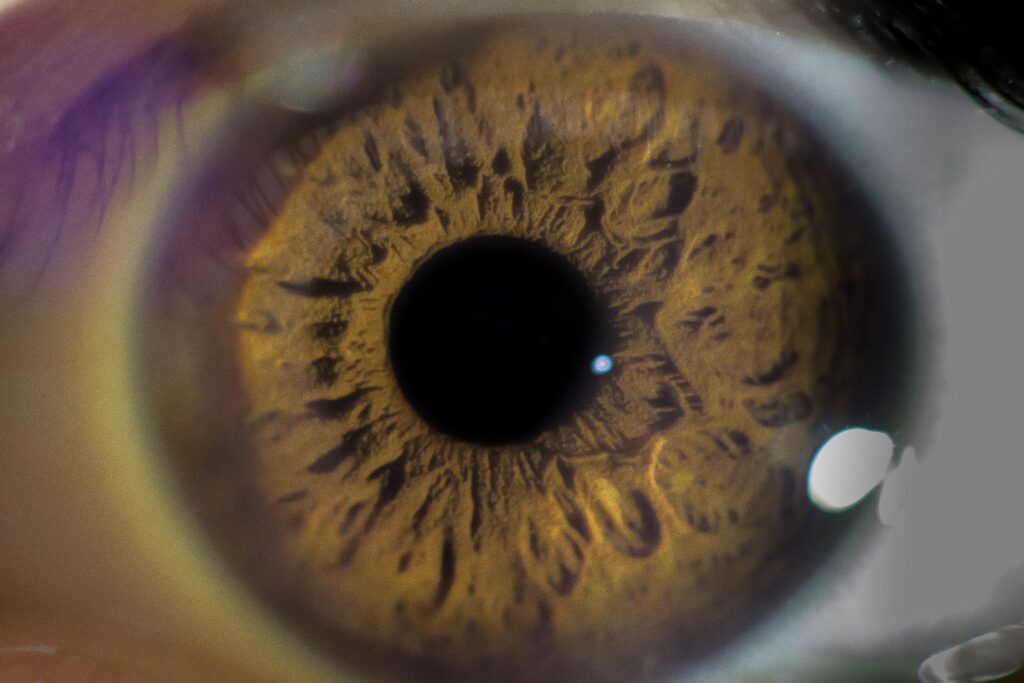
Keratitis is an inflammation of the cornea. The cornea is the clear, dome-shaped surface that covers the front of the eye, over the iris and pupil. When the cornea is inflamed, nearby blood vessels widen and the white of the eye turns red.
9- Fungal infection
Fungal eye infections are less common but serious. They can follow an eye injury, especially from plant material, or poor contact lens care.
10- Overuse of contact lenses
Wearing contact lenses too long or sleeping in them can cause redness and discomfort and raises the risk of serious eye infections.
11- Poor eye hygiene
Touching your eyes with unwashed hands or not removing eye makeup can bring germs and irritants into your eyes. Wash your hands often and keep your eyelids clean.
12- Mishandling of contact lenses
Handling lenses with dirty hands can spread germs to your eyes. Always wash and dry your hands first. The CDC advises using fresh contact lens solution for storage, never water, and not mixing fresh and old solution in the case.
13- Sharing of your lenses with others
Never share your lenses with your siblings and with your fellows because it can spread infection from one person to another person.
14- Corneal ulcer
A corneal ulcer is an open sore on the cornea, usually caused by infection. It causes a very red, painful eye and needs urgent treatment to protect your vision. Contact lens wearers have a higher risk.
15- Uveitis
Uveitis is inflammation of the uvea, the middle layer of the eye that includes the iris, ciliary body and choroid. It can cause redness, pain, light sensitivity and blurred vision and needs prompt care.
16- Poor sleeping time
Not getting enough sleep can leave your eyes tired, dry and red.
17- Overuse of digital devices at night
Using phones, laptops and computers for long periods, especially in dim light, can cause eye strain. You blink less while staring at screens, which can lead to dry, red, tired eyes and headaches.
18- Smoking, alcohol consumption
Cigarette smoke irritates the eyes and can worsen dry eye. Drinking alcohol can also make the blood vessels in the eyes widen and look red.
Why Do I Wake Up With Bloodshot Eyes?
Lack of sleep, dry air, sleeping in contact lenses, or allergies can all leave your eyes red when you wake up. Getting more sleep, removing contacts before bed and using artificial tears may help. See a clinician if your eyes stay red for longer than 1 to 2 days, or if you have eye pain, vision changes or discharge.
HP Thoughts: Know some tips for eliminating bloodshot eyes naturally. Read our article for details: Bloodshot Eyes.
Sources
- Eye redness, MedlinePlus
- Preventing Eye Infections When Wearing Contacts, CDC