Eczema Treatment: All Medical & Home Tips to Reduce Itching
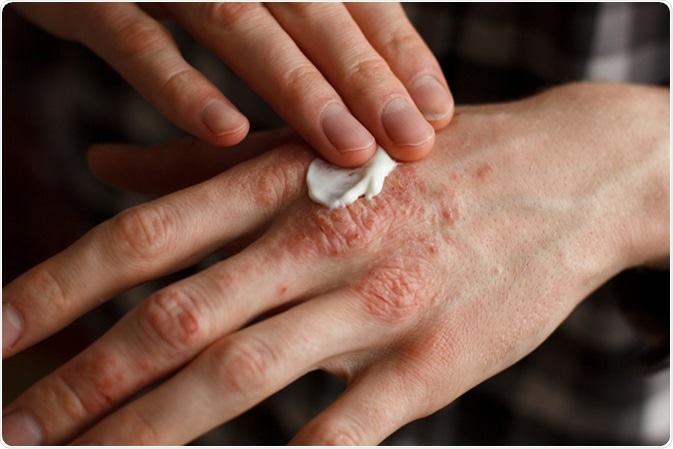
Eczema, or atopic dermatitis, is a very common skin disease that makes skin red, inflamed and itchy. It is most common in young children but can start at any age.
Researchers do not know its exact cause. Genes, the immune system and a weak skin barrier all play a role, and triggers such as soaps, detergents, dust mites, pollen, pets or certain foods can make it flare.
There is no cure for atopic eczema, but treatment can control symptoms, and many children improve as they grow older. A doctor usually diagnoses eczema by examining the skin and asking about your history. There is no single test for it.
Eczema treatment
Eczema is usually managed with daily skin care, medicines when needed, and avoiding your triggers. Home remedies may soothe skin for some people, but they do not replace treatment from a doctor.
-
MEDICAL TREATMENT
The main treatment is moisturizers (emollients), applied at least twice a day even when the skin looks clear. Use them instead of soap for washing, too.
For flares, doctors often prescribe topical corticosteroid creams or ointments. Other options include non-steroid prescription creams, and for severe eczema, light therapy or medicines that act on the immune system.
Antihistamine tablets do not treat eczema itself, but a doctor may suggest one to help with sleep during a flare. Skin that becomes infected may need antibiotics.
Lifestyle steps help prevent flares. Wash with lukewarm water and a gentle, fragrance-free cleanser, and pat skin dry. Keep clothes and bedding clean, use hygienic habits, and choose mild detergents and soft fabrics such as cotton.
-
HOME REMEDIES
Some people try natural products for eczema. Evidence for most of them is limited, and some can irritate sensitive skin. Test a small patch first and stop if your skin gets worse.
Use Aloe Vera Gel
Aloe vera gel has long been used on itchy or inflamed skin. Small studies suggest it may help some skin conditions, but research on aloe for eczema is limited.
If you try it, use plain gel without added fragrance or alcohol. Apply a thin layer to a small area first, since some people react to aloe.
Tea Tree Oil
Tea tree oil comes from the Melaleuca alternifolia plant. It is promoted for many skin problems, including acne spots, burning or itching skin.
However, there is not enough evidence that tea tree oil helps eczema, and it can cause allergic skin rashes. People with eczema have sensitive skin, so ask your doctor before using it.
If you do use tea tree oil, always dilute it in a carrier oil such as almond oil. Never swallow it, because it is toxic when taken by mouth.
Apple cider vinegar
Apple cider vinegar is a popular home remedy, based on the idea that its acidity balances skin pH. A small study found that dilute apple cider vinegar soaks did not improve the skin barrier in eczema and caused mild skin irritation in most people who tried them.
Never apply undiluted vinegar to skin, as it can cause burns. Ask your doctor before trying vinegar soaks, especially on broken or cracked skin.
Harsh soaps and detergents can dry and irritate eczema-prone skin. Choosing gentle, fragrance-free products is a safer way to protect your skin than home remedies.
HP Thoughts: Did you know that all skin diseases, especially on the face, start as a red patch or an itch? Read our post regarding preventive measures to counter this skin ailment: Rashes On Face.
Sources
- Atopic eczema, NHS
- Atopic Dermatitis, NIAMS (NIH)
- Tea Tree Oil: Usefulness and Safety, NCCIH
- Apple cider vinegar soaks (0.5%) as a treatment for atopic dermatitis do not improve skin barrier integrity, Pediatric Dermatology (PubMed)