Hair Growth Oils to Make Your Hair Game Strong
Contents
Hair Growth Oil! Do oiling if you want your hair to grow well! I bet you must have heard this thing from your grandma, mother, or any other elder. Is it true?
Oiling hair is a very old tradition. Oils can moisturize hair and the scalp, add shine and reduce breakage, which helps hair look fuller. Strong clinical evidence that any oil makes hair grow faster is lacking, though. Previously, when there were no fancy products available, people used to maintain their hair health with oils.
Though people have reduced their use to a great extent, they still believe in the benefits of oiling. We can still see numerous brands selling hair oils. They claim them to be the best one and succeed in grabbing the attention of many people.
Which is the best one for hair growth Products? Well, we can’t answer it right away. It is because there are various oils available. Each has different properties, so the right choice depends on your hair type and goals. If you are losing hair quickly or in patches, see a dermatologist, since many causes of hair loss need medical treatment.
We understand your confusion. Therefore, here we are going to discuss a few hair growth oils. We would also highlight their way of working or benefits. In this way, you would find it easy to choose the best option for your hair.
Few Wonderful Hair Growth Oils
Here are a few popular oils and what the evidence says about each:
Olive oil
Olive oil is a popular kitchen staple and hair conditioner. It is a good moisturizer, but there is little research showing it works as a hair growth oil.
We all know only a healthy scalp is a base for having strong hair. Olive oil can soften dry hair and ease a dry, flaky scalp. Healthier, less brittle strands break less, which can help hair look longer and thicker.

What’s more? It contains vitamin E and other antioxidants and offers good moisturization.
Olive oil can help lock moisture into the hair. In order to acquire the best results, it is better to slightly warm this oil before using it. After applying it equally all over your hair, you should wrap it for a maximum of half an hour.
Castor Oil
This is probably the best-known hair growth oil. Does it actually grow hair? Read on:
About 90% of castor oil's fatty acids are ricinoleic acid. A recent review of castor oil in dermatology found support for its use in improving hair shine (luster). Evidence that it boosts hair growth is limited and needs more clinical study.

Here is the picture of Castor Oil Seed
Lab studies show anti-inflammatory and antimicrobial properties, but that doesn't prove it prevents dandruff.
There is an acid present in this oil with the name ricinoleic acid. It is responsible for much of the oil's anti-inflammatory activity, and the oil helps keep hair moisturized.
Claims that it improves scalp blood flow have not been proven in people, so it is too early to call it the best hair growth oil. If you use it, apply a small amount gently with your fingertips.
This oil is thick and sticky. It can cause skin rashes in some people, and in rare cases it has caused hair felting, where hair suddenly mats into a tangle that can't be combed out. Patch-test it first.
Jojoba Oil
This oil is basically a wax that is extracted from the seeds of the jojoba plant. It is best known as a moisturizer and may help with dryness and split ends.
Some people use it to loosen scalp build-up, though there is little research on this.

Jojoba oil is gentle and can be applied directly to the hair or mixed into other products. There is no strong evidence that it makes hair grow.
Coconut oil
We all have observed coconut oil dwelling in various remedies when it comes to hair and skincare regimen. Well, why is it so?
Coconut oil can soak into the hair shaft better than many oils, which may help reduce protein loss and damage from washing.

Less damage means less breakage and more shine, but coconut oil hasn't been shown to speed hair growth.
In order to obtain maximum benefit from coconut oil, use it lukewarm. Take this oil and gently massage your scalp. It is better if you use this oil at least once a week.
Argan oil
Argan oil is another big name in hair and skincare. It is a good conditioner, though evidence that it grows hair is limited.
It is often called liquid gold because it is valued for both skin and hair.

Here is the Argan Oil Botals
Chemical treatments and heat styling damage hair. Argan oil may help reduce breakage and frizz in damaged hair.
It moisturizes hair and contains antioxidants, vitamin E and essential fatty acids (once called vitamin F). These help smooth and protect hair, but no oil can truly repair split ends; trimming is the only fix.
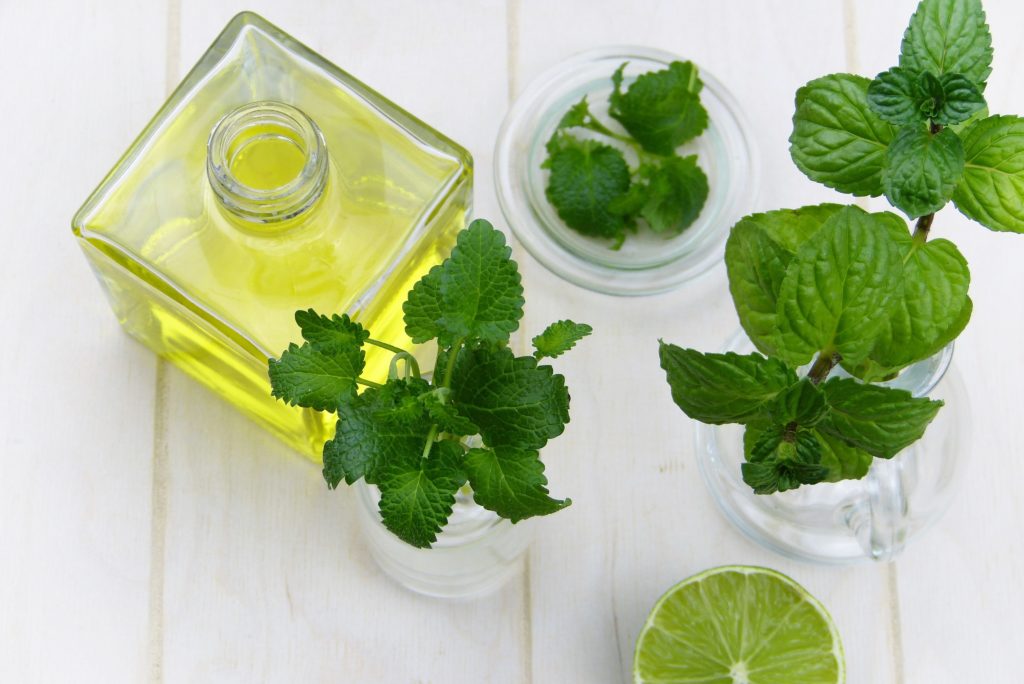
Peppermint oil
Peppermint oil has some of the more interesting early research. In a study in mice, a 3% peppermint oil solution boosted hair growth more than saline, jojoba oil or 3% minoxidil over four weeks.

That was an animal study, though. It hasn't been confirmed in people, so it shouldn't replace proven treatments.
Peppermint oil is very concentrated and can irritate or burn the skin. Always dilute it heavily in a carrier oil or shampoo, and stop if your scalp tingles painfully or turns red.
HP Thoughts: Scalp care is a must if you want to have healthy hair, especially in your advanced age. However, illnesses do strike and hair is one of the easiest targets. Know what ailment to avoid and how to overcome it: Illness That Causes Hair Loss.
Conclusion
Oils have been used on hair for centuries. They can make hair softer, shinier and less prone to breakage, but none has strong clinical proof of regrowing hair.
Less breakage can help your hair look longer and thicker. There are vast varieties of hair growth oils. However, which one will suit your hair the best, depends on your hair situation.
As everyone’s hair is different, their requirements for oils are also different. If you notice sudden shedding, bald patches or steady thinning, see a dermatologist. Proven treatments, such as minoxidil, and treating any underlying cause work better than oils alone.
Sources
- Use of Castor Oil in Dermatology: A Narrative Review, PubMed Central
- Peppermint Oil Promotes Hair Growth without Toxic Signs, Toxicological Research, via PubMed Central