Interested in Invisalign? Here’s How You Can Save on Costs
Invisalign – What is it?
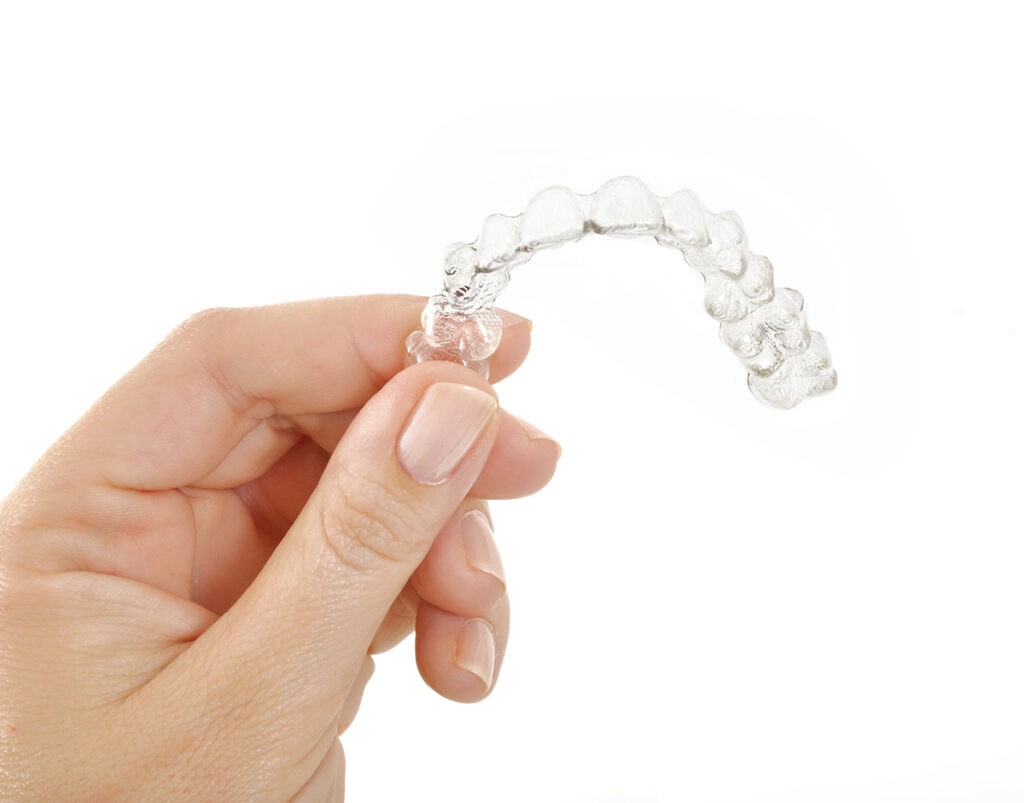
Invisalign clear tray aligners (or Invisalign for short) are an alternative to braces to straighten crooked teeth. Unlike traditional braces, which use brackets and wires, clear tray aligners are made of a special plastic that puts gentle pressure on your teeth so that they move towards a better position. Each set of Invisalign aligners is custom-made from a mould or digital scan of the patient’s teeth so that it fits that patient.
For you to get your own Invisalign clear tray aligners, you must follow the steps below:
- Get a consultation with your dentist or orthodontist. They will examine your teeth and their overall health. They will also take pictures and X-rays of your teeth and determine whether Invisalign is a good fit for your needs.
- Wait for your dentist’s recommendation. If Invisalign is right for you, your dentist will take a mould or digital scan of your teeth, which is sent to Invisalign to make your custom aligners.
- Follow your dentist’s treatment plan. Your dentist will closely monitor your teeth and how they respond to Invisalign. Each set of aligner trays is usually replaced every one to two weeks, so the teeth move slowly into a better position. This gives your teeth time to adjust.
According to Singapore’s leading dental portal Dentaleh, Invisalign should be worn for 20 to 22 hours each day to get results. Cleveland Clinic advises wearing clear aligners about 22 hours a day, taking them out only for meals, drinks, and brushing and flossing. Unlike braces, which stay on your teeth all the time, Invisalign can be easily removed and then worn again after.
Invisalign is similar to retainers in that they are removable. However, unlike retainers which are designed to just hold teeth in place, Invisalign clear tray aligners are designed to straighten your teeth.
How much will Invisalign cost?
There are a couple of things to consider when determining the total costs for Invisalign. You not only have to pay for the aligners themselves but for other things as well.
First, the most important thing to consider is your overall oral health. If your teeth have other issues besides their alignment, such as cavities or gum disease, your dentist will have to treat those first. This can drive up the total costs, since your mouth must be healthy before you are fitted for the aligners.
How crooked your teeth are matters too. If your teeth are very crooked, the treatment may take longer and require more aligners. This will increase the total cost of Invisalign.
Another thing to consider is your location. Singapore is generally an expensive city so Invisalign may cost more here compared to other countries.
You will also need to pay for your dentist’s time, since they will closely monitor your progress with Invisalign. Mild cases may take less than a year, and complex ones longer, so you should be financially prepared.
There are also aftercare costs that you need to consider. A retainer is usually prescribed to keep your teeth in their new position after treatment, and it adds to the total cost.
Finally, if you have dental or medical insurance, check whether orthodontic treatment such as Invisalign is covered. If it is, you can potentially save a lot of money and drive the total cost down.
Invisalign usually costs several thousand dollars. The final price depends on your case, your provider and where you live, so ask for a written quote that includes retainers and follow-up visits. If you have insurance, ask your insurer how much of the cost it will cover.
How to Save on Invisalign?
There’s no denying that Invisalign is an expensive treatment. Many people also think that orthodontic treatments like Invisalign and braces are done for purely cosmetic reasons. However, that does not mean that it can’t be covered by insurance or subsidies. In fact, orthodontics can bring not just aesthetic benefits but health benefits as well. Crooked teeth can be harder to clean, which may raise the risk of tooth decay and gum disease.
If you can afford Invisalign, then good for you. However, if you wish to save on the treatment, here are some ways to do it. The first two options apply to people in the United States:
- Health Savings Account (HSA) – an HSA lets you set aside money before taxes to pay for qualified medical expenses, which saves you money on taxes. However, the IRS requires that you be covered by a high-deductible health plan to contribute to an HSA.
- Flexible Spending Accounts (FSA) – an FSA is similar to an HSA but is offered by your employer. Unused FSA money is generally lost at the end of the plan year, although some employers allow a grace period or let you carry over a limited amount ($660 for 2025). Plan your spending before the deadline.
- Payment plan –Try to find a dentist that can offer you a payment plan for Invisalign so that you would not have to shell out the full amount of the treatment right away. Make sure to review the terms of the plan and assess whether or not it is a fair deal for you.
- Dental schools –Another nice way to save on Invisalign costs is to determine if there are any nearby dental schools. These schools offer lower prices for their services so that dental students can learn by doing dental work. Do not worry because a certified dentist will be there to oversee the student.
HP Thoughts: Braces are recommended for aligning teeth and fixing teeth gaps. However, there are times when these are not enough to repair problematic teeth. Read our article to learn more: Dental Elevators.
Sources
- Clear Aligners: Purpose & Types, Cleveland Clinic
- Publication 969, Health Savings Accounts and Other Tax-Favored Health Plans, Internal Revenue Service