Osteoarthritis Treatment and Prevention
Contents
OVERVIEW:
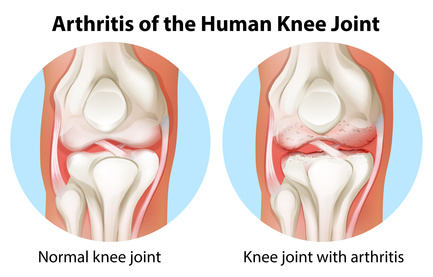
Osteoarthritis is also known as degenerative joint disease. It happens when joint tissues, especially the cartilage covering the ends of bones, break down over time. The bone underneath reacts by forming new bone, including bony spurs.
Osteoarthritis most commonly affects the weight bearing joints of the body for example hips and knees. Osteoarthritis is different from rheumatoid Arthritis in the sense that there are no extra articular features and no systemic illness in osteoarthritis. Osteoarthritis treatment doesn’t reverse joint damage, but it can reduce pain and help you stay active.
OSTEOARTHRITIS TREATMENT:
The joints most commonly involved in osteoarthritis are the hands, knees, hips, neck and lower back. It may affect one joint or several. No drug reverses the joint changes, but several treatments relieve symptoms. The options below follow the 2019 ACR/Arthritis Foundation guideline.
- NSAIDs: nonsteroidal anti-inflammatory drugs such as ibuprofen and naproxen relieve pain and swelling. They come as pills and as gels or creams you rub on the skin. Oral NSAIDs, and topical NSAIDs for knee osteoarthritis, are strongly recommended. Long-term oral NSAID use can cause stomach ulcers and bleeding and can affect the kidneys, heart and blood pressure. Use the lowest effective dose and ask your doctor before taking them regularly. Topical gels cause fewer whole-body side effects.
- Corticosteroids: steroid injections into the joint are strongly recommended for knee and hip osteoarthritis and give short-term relief during flares. They are not taken long term. Steroids can raise blood sugar for a few days after an injection, so people with diabetes should watch their levels. Steroid pills are not a standard osteoarthritis treatment because of side effects such as high blood pressure, bone loss and infection risk.
- Opioids: tramadol is conditionally recommended for some people. Stronger opioids such as morphine are conditionally recommended against for osteoarthritis because of side effects and the risk of dependence. They are reserved for cases where other options have failed. Common opioid side effects include constipation, drowsiness and nausea. Opioids need a prescription and close medical supervision.
- Capsaicin cream: capsaicin cream, made from chili peppers, can be applied over a painful knee. It works by reducing pain signals from nerve endings rather than by treating inflammation. Follow the product label for how often to use it, and wash your hands well afterward. Guidelines conditionally recommend capsaicin for knee osteoarthritis but recommend against it for hand osteoarthritis, partly because of the risk of getting it in the eyes.
- Surgery: when other treatments no longer control pain, surgery may help. The most common option is joint replacement (arthroplasty), in which damaged joint surfaces are replaced with artificial parts to relieve pain and improve movement. Another option for some joints is arthrodesis, which fuses the bones of the joint together. A fused joint is usually painless, but you can no longer bend it, so it is used in selected joints only.
- Trans Cutaneous electrical nerve stimulation (TENS): a TENS unit sends mild electrical pulses through pads placed on the skin. The 2019 ACR guideline strongly recommends against TENS for knee and hip osteoarthritis because studies have not shown a benefit.
- Hot and cold packs: Hot and cold packs (thermal therapy) are conditionally recommended. Heat can ease stiffness, and cold can reduce pain and swelling after activity.
- Assistive devices: a cane can take load off a painful hip or knee, and hand splints (orthoses) can support a painful thumb base. Simple tools such as jar openers and tap turners make daily tasks easier with hand osteoarthritis. Supportive shoes or insoles may help with foot pain; a physical or occupational therapist can advise you.
GENERAL MEASURES FOR OSTEOARTHRITIS TREATMENT:
- weight loss in patients who are overweight, especially with knee or hip osteoarthritis
- pacing activities and resting a painful joint during flares
- use of walking sticks
- adapting tasks at work
- application of heat to relieve pain
- regular exercise, tai chi and good posture
- hydrotherapy (water exercise) for hip osteoarthritis
WHEN TO SEEK MEDICAL HELP?
Osteoarthritis is a chronic disease and one should seek medical help when it causes severe chronic pain, joint swelling, reduced mobility or muscle wasting. Treatment cannot reverse the joint damage, but it can reduce flares and symptoms. A clinician should guide your choice of medicines, especially if you have stomach, kidney or heart problems.
HP Thoughts: Sometimes all it takes is joint care to prevent further pain in other parts of your body, especially your bones! Read more about our tips: Naturally Relieve Joint Pain.
Sources
- 2019 American College of Rheumatology/Arthritis Foundation Guideline for the Management of Osteoarthritis of the Hand, Hip, and Knee, Arthritis & Rheumatology (via PubMed Central)
- Osteoarthritis, National Institute of Arthritis and Musculoskeletal and Skin Diseases (NIAMS)
- Osteoarthritis, Centers for Disease Control and Prevention