Rhinoplasty recovery Facts & Expectations
Contents
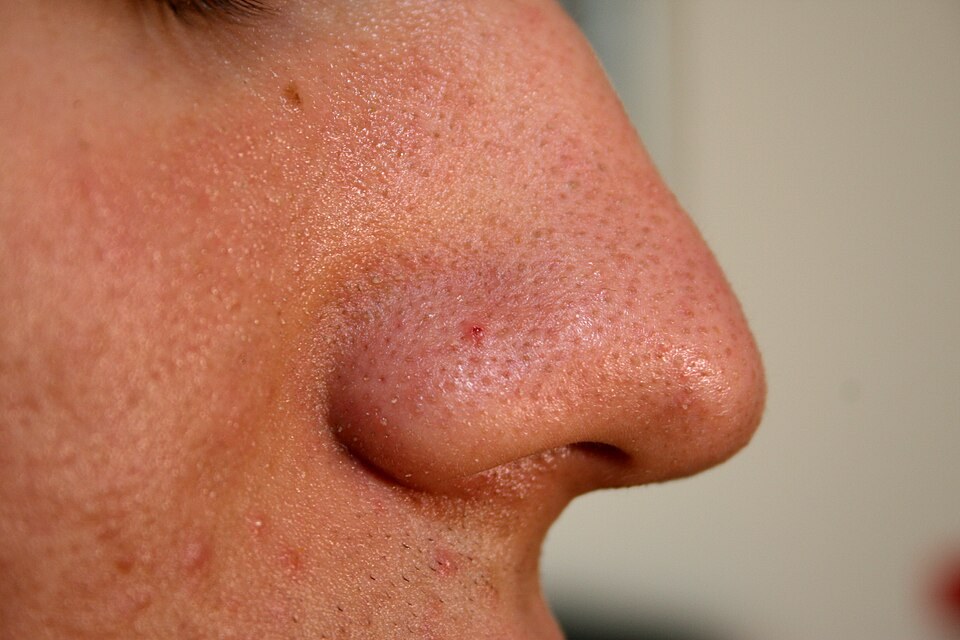
Photo by Qurren, CC BY-SA 4.0, via Wikimedia Commons
Rhinoplasty Recovery starts after a nose job, a facial plastic surgery that changes the size, shape, and appearance of the nose. A hump can be reduced, and a depression can be filled, usually with a cartilage graft.
Rhinoplasty is generally safe, but like any surgery it has risks and costs. Your plastic surgeon will review your overall health and goals, and discuss the risks, recovery time, and cost with you.
Many surgeons prefer to do cosmetic rhinoplasty after the nose has finished growing, around age 15 to 16 for girls and somewhat later for boys. Septoplasty is a different operation. It straightens a deviated nasal septum (DNS) to improve breathing, while rhinoplasty changes the shape of the nose for the reasons described below. Septoplasty, like rhinoplasty, is generally a safe procedure.
Before discussing Rhinoplasty Recovery, it helps to know the structure of the nose. The upper part is made of bone, and the lower part is made of cartilage. Both are covered by skin on the outside.
Inside, the nose has hairs and cells that secrete mucus to keep the air moist and warm. A wall of cartilage and bone, the septum, divides the nose into two nostrils.
Why Rhinoplasty Is Needed? When Rhinoplasty Is Done?
Several problems can be corrected with a rhinoplasty procedure.
1- Congenital birth defects
Some people are born with nose shapes such as a deviated nasal septum, a humped nose, a depressed (saddle) nose, unusually wide nostrils, or an unusual angle between the nose and upper lip. These can be reshaped with rhinoplasty.
2- Acquired defects
An injury can change the shape of the nose and bend the septum. In such cases, a surgeon may recommend rhinoplasty to correct the damaged parts.
3- Impaired nasal function
Some people have trouble breathing through the nose because of its structure, such as a deviated septum. Surgery can improve airflow in these cases.
4- Cosmetic Purposes
Many people choose rhinoplasty purely to change how their nose looks. Rhinoplasty Surgery Procedure
Rhinoplasty is usually an outpatient surgery, so most people go home the same day. According to MedlinePlus, it is done under local anesthesia with light sedation or under general anesthesia, and it often takes 1 to 3 hours. After the anesthesia, the surgeon makes cuts inside the nostrils, and sometimes across the base of the nose.
The skin is lifted, and bone and cartilage are reshaped. In a humped nose, extra bone or cartilage is removed, while in a saddle nose, a graft fills the space. After reshaping, the cuts are closed with stitches and you go home with care instructions.
Rhinoplasty Recovery
After surgery, you will wear a nasal splint, usually for 1 to 2 weeks. If nasal packing is used, it is usually removed after 3 to 5 days. Swelling, pain, and bruising around the nose and eyes are common in the first days, and headaches are common too.
The NHS advises avoiding strenuous exercise and contact sports for 4 to 6 weeks. Eat a balanced diet with enough protein, fruits, and vegetables to support healing. Plan for up to 2 weeks off work. Bruising around the eyes can last about 3 weeks.
Most swelling improves by 2 to 3 months. The tip of the nose may stay swollen and numb for several months, and the final shape may not be visible for up to a year, sometimes longer.
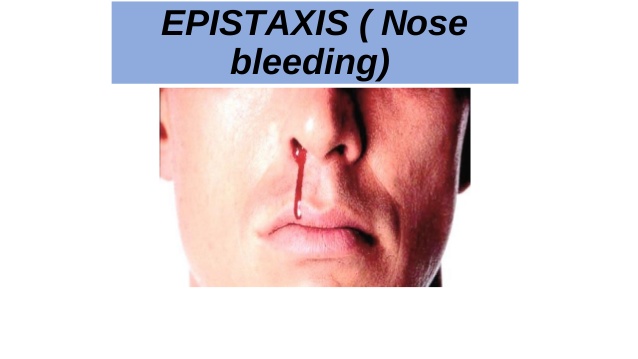
Call your surgeon if you have heavy bleeding, fever, worsening pain, or trouble breathing.
HP Thoughts: Rhinoplasty is a medical procedure that deals with nose surgery. The first phase is the introduction to this practice and you can read it here: What is Rhinoplasty.
Sources
- Rhinoplasty, MedlinePlus
- Nose reshaping (rhinoplasty), NHS