Seven Indispensable Medical Supplies to Have At Home
Contents
Accidents are unpleasant, and they happen when you least expect them. A medical kit at home lets you give basic first aid before getting professional help, if it's needed.
Medical supplies are useful in every household, and even more so with kids in the house, since they are prone to bumps and scrapes. For a true emergency, such as trouble breathing, severe bleeding or a suspected broken bone, call 911 first.
Minor injuries like cuts, scrapes, sprains and bruises are easier to manage when supplies are on hand. A well-stocked kit can also save you a trip to the clinic for small problems.
Here are some essential medical supplies that everyone needs at home:
-
A Proper First Aid Kit And Manual
First aid kits are basic and useful medical supplies. Most kits contain antiseptic wipes, clean dressings, cotton wool, bandages and plasters. With a first aid kit in the house, you can care for minor injuries and handle an emergency until help arrives.
Untreated wounds can become infected. For minor cuts, MedlinePlus advises washing the cut with mild soap and water, pressing to stop bleeding, then applying antibacterial ointment and a clean bandage.
Check expiry dates regularly and replace used items. Stay calm during home medical emergencies, protect the wounded area and keep it clean. Medical wraps make it easier to care for your loved ones. You can visit sealskinwrap.com to get a professional healing wrap; the self-adhering property of this medical supply secures areas and saves them from infections. It is gentle on the skin and hair; it also protects your skin from irritation because the removal is total pain-free.
-
Pain Relievers
If you have health issues, talk to your doctor before stocking pain relievers at home. Over-the-counter pain relievers ease sore muscles, headaches and other aches. Pain-relief gels and creams can also help with muscle strains.
Acetaminophen (Tylenol) and ibuprofen are common pain relievers for adults and kids. Use the right product and dose for age and weight, and follow the label.
Taking more than the label allows can cause serious harm, such as liver damage from too much acetaminophen or stomach bleeding from NSAIDs like ibuprofen.
-
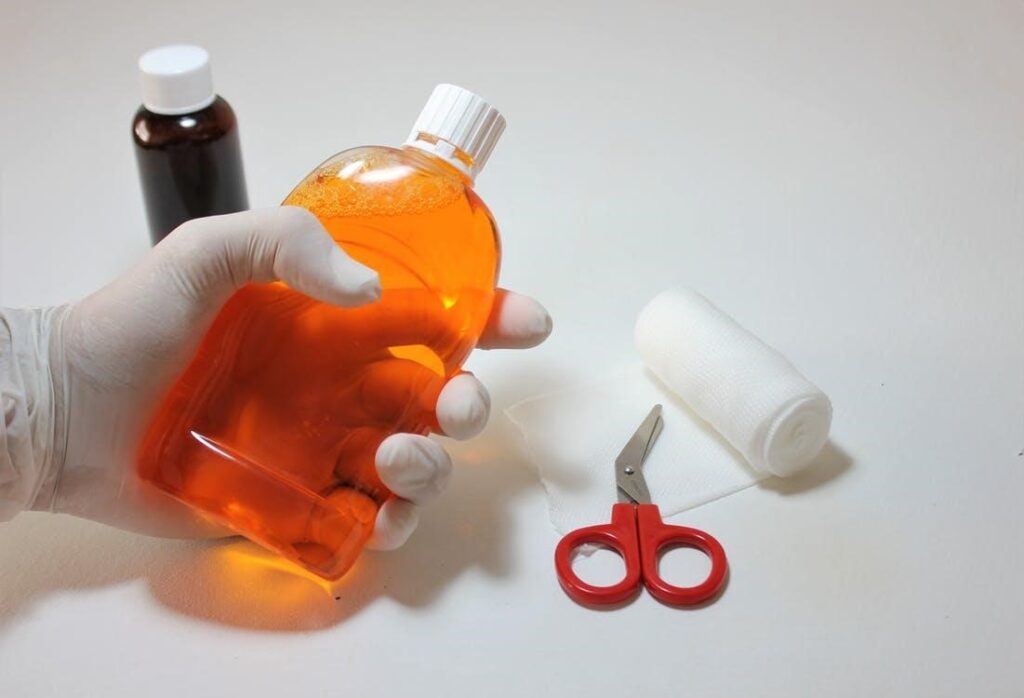
Hydrogen Peroxide
Many people keep a bottle of hydrogen peroxide in the medicine cabinet as an antiseptic. When it touches a wound, it fizzes as it releases oxygen and can loosen debris and dead skin.
However, current first aid advice favors plain soap and water for cleaning minor cuts. Hydrogen peroxide can irritate healthy tissue, so avoid using it repeatedly on a wound and never on deep wounds.
-
Thermometer
A thermometer is one of the most useful tools in a home kit. Digital thermometers are fast, portable and reliable, and they are safer than old mercury glass ones.
Use it to check a fever in your child or yourself, and call your doctor about a fever in a baby under 3 months or a high or lasting fever at any age. Avoid giving babies medicine without your pediatrician's advice, especially if they have health issues.
-
Instant Cold And Hot Packs
Instant cold and hot packs can ease muscle and joint pain without oral medication. Cold packs help reduce swelling after an injury.
Wrap the pack in a cloth and don't leave it on the skin for more than about 20 minutes at a time, to avoid skin damage.
-
Bulb Suction Device
A bulb syringe is a small rubber bulb with a narrow tip that gently removes mucus from a baby's nose. Clearing a stuffy nose can make it easier for an infant to breathe and feed.
Use it gently and clean it after each use. If a child is struggling to breathe, call for medical help right away.
-
Antibiotic
Antibiotics treat bacterial infections, but they are not a home supply to stockpile. They need a prescription, and they don't work on viruses such as colds, flu and most sore throats.
The CDC warns against saving leftover antibiotics or taking someone else's, because this can delay the right treatment and cause side effects. If you are prescribed an antibiotic, take it exactly as directed.
Overusing these drugs helps bacteria become resistant to antibiotic drugs. A tube of over-the-counter antibiotic ointment for minor cuts is the only antibiotic most home kits need.
HP Thoughts: Sometimes we have to be like scouts: always ready for anything and for everything. Some emergencies require basic medical supplies while some need more than a bandage. We have an article regarding an affliction that calls for a better understanding of home healthcare strategy: How to Treat Peripheral Neuropathy at Home.
The Final Word
Emergencies can occur anytime, so it pays to be prepared. A basic first aid kit with bandages, pain relievers, a thermometer and cold packs covers most minor injuries at home.
Keep a first aid manual with your kit, and get medical care for serious injuries, deep wounds, signs of infection or symptoms that don't improve.
Sources
- Cuts and puncture wounds, MedlinePlus
- Healthy Habits: Antibiotic Do's and Don'ts, CDC
- First Aid, MedlinePlus